Search Results
902 results for “illness sign”
Feline Stomatitis: The Complete Guide
Feline stomatitis is a painful, relapsing inflammation of the whole mouth — gums, oral mucosa, and pharynx — driven by an over-active immune response to plaque and viruses like calicivirus. Signs run from foul drooling and weight loss to a cat that stops grooming and hides in pain; treatment pairs steroids and antibiotics with dental cleaning, and extracting the premolars and molars resolves or greatly eases symptoms in roughly two-thirds of cats.
Do Cats Get Jealous?
Cats do feel jealousy. A jealous cat may give you a resentful stare, sulk in a corner, lose its appetite, grow short-tempered, or even run away if a newcomer arrives. These sulks are really just how a cat shows its attachment—so soothe, don't scold.
What to Do When Your Pet Cries at Night
Nighttime vocalizing usually traces back to illness, a sudden change in routine or surroundings, or mating behavior, so finding the cause comes first. Calming measures include a high-calorie snack before bed, play to burn off energy, steady companionship, keeping familiar items in place, topping up trace elements, and a vet check for older pets.

How to Tell If Your Cat Is Sick
A sick cat hides its discomfort, so the earliest clues are changes in sleep, litter-box habits, appetite, weight, coat, and water intake. Red flags such as vomiting, diarrhea, labored breathing, a head tilt, or straining to urinate need a vet, and routine checks also catch fleas, hairballs, hyperthyroidism, diabetes, and urinary disease.
Why Your Cat Sheds So Much in Spring
Heavy spring shedding is usually normal as the winter coat drops, but loss that happens off-season can signal poor nutrition, a hormonal imbalance, or parasites and fungal infection. Daily brushing with a little massage is the best remedy, because healthy skin is what keeps shedding under control.
Which Insects Are Harmful to Cats
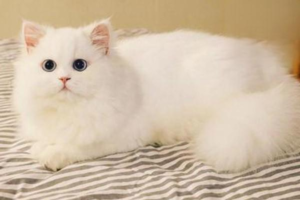
Many insects are harmless to cats, but spiders, stinging bees, venomous caterpillars, centipedes, scorpions, and fire ants can poison or injure them, and the chemicals used to kill pests are often more dangerous than the bugs. Monthly flea, tick, and heartworm prevention plus pet-safe products are the best protection.

Black Spots on Your Cat’s Nose: Dirt or Something Serious?
About 90% of black marks on a cat's nose sit along the bridge, are greasy food grime that wipes away to reveal clean skin, and are completely harmless. But specks inside the nostrils with sneezing or discharge point to an infection such as a cold or feline herpesvirus, and dark patches on the bridge or sides of the nose often mean ringworm — both warrant a vet visit.

Symptoms of Leptospirosis in Pets
Leptospirosis is a zoonotic infection of dogs and cats caused by pathogenic Leptospira, often silent but marked by fever, jaundice, anemia, edema, hemoglobinuria, bleeding, and in severe cases kidney and liver failure. It spreads through urine, contaminated water, and bites, peaks in warm wet seasons, and is diagnosed by signs plus kidney and liver damage. Prevention is vaccination and rodent control; treatment is antibiotics plus supportive care, avoiding streptomycin when kidneys are involved.

Post-Treatment Care for Canine Parvovirus
Parvo recovery hinges as much on aftercare as on treatment — 'three parts treatment, seven parts nursing.' Once signs improve, the gut lining is still damaged and cannot handle normal food, so feeding a dog as usual brings relapse, chronic diarrhea, or death. Rebuild gut flora with probiotics, ease digestion, repair the intestine, and feed small, frequent meals of soft, nutritious food while forbidding raw milk and meat.

What to Do If an Arowana Is Stressed
An arowana that is frightened should be left in a quiet, stable tank with feeding stopped and gentle support — a slight temperature rise, a little aquarium salt, and small water changes — until it relaxes. Stress comes from new surroundings, tank-mate fights, or sudden shifts in temperature or water quality, and it can slide into illness or death, so keep the tank calm, the temperature swing under 2°C, and remove anything that spooks the fish.