Search Results
902 results for “illness sign”

Why Dogs Pant Heavily
Panting is usually a dog's normal way of cooling down — they have almost no sweat glands and rely on rapid breathing to shed heat. But panting with no clear trigger, especially in cold weather, can signal fever, respiratory disease, or other serious illness.

Why Dogs Get Picky in Spring (and What to Do)
Spring warmth spoils food fast and the mating season dulls appetite, so picky eating in dogs often points to gastritis, poor digestion, too many treats, parasites, or a cold. Rule out illness first, then tighten up diet, deworming, and warmth.

Preventing Colds in Dogs During Spring
Spring's swinging temperatures let colds take hold, and a simple cold can escalate into rhinitis, bronchitis, pneumonia, or even distemper. Keep your dog warm, dry, exercised, and well-fed to stay ahead of it.

Why Cats Eat Strange Things (Pica)
Feline pica — eating non-food items — can stem from nutrient deficits, illness, poor management, or early weaning. It ranges from licking plastic and plants to swallowing fabric or suckling other animals, and some items (lilies, daffodils) are toxic, so a vet check and a calm home are the right first steps.

Can Pets Use Air Conditioning?
Pets can use AC if you set it around 27–28°C, avoid direct drafts, keep air moving, and let them adjust to temperature changes gradually. Watch for 'AC sickness' — sneezing, lethargy, anorexia — and cool short-faced dogs (pugs, bulldogs) without fail in summer heat.

Understanding Kidney Disease in Cats
Cats are built to conserve water, so chronic kidney disease is nearly universal in older cats and a leading cause of illness. Watch for early signs like increased drinking and urination, keep water and wet food available, and catch problems early with routine blood and urine tests.

Why Your Cat Has Intermittent Fever
Intermittent fever in cats usually signals an underlying disease, and most recurring-fever cases turn out to be feline infectious peritonitis, or FIP. Diagnosis relies on blood and urine tests, and FIP needs continuous, consistent treatment supported by good nutrition.
Can Cats Get a Fever?
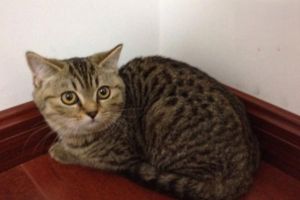
Yes, cats do get fevers, though their naturally higher body temperature makes it hard to spot. Watch for a dry, hot nose, warm ears and tail tip, lethargy, and heavy drinking, and confirm with a rectal thermometer reading.

Canine Parvovirus: What Every Dog Owner Should Know
Canine parvovirus is a highly contagious, often fatal disease, especially in unvaccinated puppies, with a sudden cardiac form that kills within hours. Vaccination is the only reliable shield; suspected cases need immediate isolation, vet testing, and careful fluid support.

Feline Stomatitis: Symptoms, Causes, and Treatment
Feline stomatitis is a blanket term for inflammation anywhere in the mouth, driven by anything from oral injuries and B-vitamin deficiency to calicivirus. Telltale signs are foul breath, red swollen gums, and drooling while eating — and because it is painful, a vet should evaluate any cat showing these signs promptly.