Search Results
902 results for “illness sign”

What Your Dog’s Waste and Walk Reveal About Its Health
Beyond temperature, pulse, and weight, a walk is the best window into your dog's health — watch its gait, expression, and the color and shape of its urine and stool. Red or dark urine can mean bleeding, cloudy urine an infection, shiny urine crystals, and orange urine jaundice; soft, bloody, or black stool points to digestive trouble. Catch these early and bring a fresh sample to the vet.

Cat Cold: Symptoms, Care, and Prevention
A cat's normal temperature runs 38.0–39.6°C; a dry nose and warm ears hint at fever, and any sick cat needs easy food plus water (a pinch of salt per 100 ml, syringed if it won't drink). Keep the environment clean, warm in winter, and well-ventilated in summer, and take the cat to a vet promptly if symptoms worsen or it stops eating, drinking, or breathing easily.

Cat Cold: Symptoms and Home Care
A sneezing or eye-discharging cat may have a mild viral cold or the start of a worse respiratory infection. Nearly all cat colds trace to calicivirus or herpesvirus, with signs appearing days to two weeks after exposure. Watch for mouth breathing, fever, or loss of appetite, and treat any cough, labored breathing, or darkening mucus as a red flag for pneumonia or secondary bacterial infection — and never give human or dog medication.
What to Do About Limb Paralysis in Cats
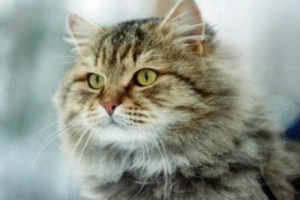
Feline limb paralysis is a chronic nerve disorder, usually from trauma, a crush injury, or a cold, damp environment, and most often affects both sides. Forelimb cases are typically radial-nerve palsy and hindlimb cases sciatic-nerve palsy, showing as dropped elbows or a dragging, wobbly gait; treatment with air and vitamin-B acupuncture at points such as Qiangfeng and Housanli often improves within one session and resolves in 3–10.
Causes and Treatment of Clear Mucus in Cat Stool
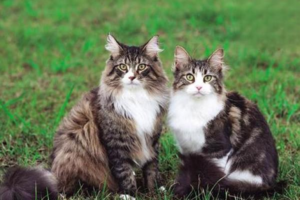
Clear mucus in a cat's stool can mean gut trouble, intestinal parasites, or panleukopenia, and ignoring it can lead to worse illness. Parasites from raw food and missed deworming need a dewormer or fecal test; diet-driven gastroenteritis calls for a short fast, then cat-specific anti-inflammatories and probiotics; and yellow-green vomit with repeated fever points to panleukopenia, which needs a vet at once.

Why Is My Cat Having Diarrhea Again?
Diarrhea is loose or unformed stool from food moving too fast through the gut to absorb water and nutrients, and it can be acute or chronic. Causes range from infections, parasites, and diet changes to stress and underlying gut disease; at home, keep water available, feed small frequent easily digested meals, and use smectite or pet probiotics for mild cases — but see a vet for blood, fever, lethargy, or ongoing diarrhea in an unvaccinated cat.
How to Treat Severe Feather Loss in Parrots
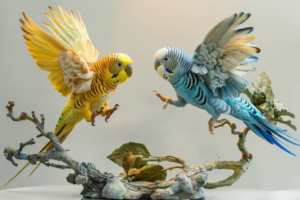
Heavy feather loss in parrots usually signals feather-picking syndrome, driven by parasites, skin infection, nutritional gaps, a poor environment, hidden illness, or stress. Treatment starts with pinpointing the cause — a better diet, a vet exam with skin scraping, or cleaner surroundings — and keeping the bird in a stable, calm home.

What Does It Mean When a Chinchilla Purrs or Chirps?
Chinchillas are naturally quiet, so a sudden purring or chirping usually points to something specific — boredom, fear, mating season, illness or injury, anger, or even a bad dream. Listen and watch to work out the cause, and check for signs of pain or sickness if the sound is new.
How Do Cats Apologize?
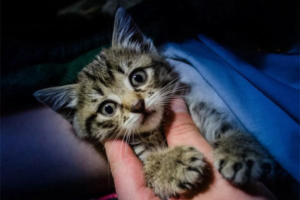
Cats do apologize — they just do it quietly. After misbehaving they may peek at you from hiding, roll over to show their belly, rub your legs, lower their head, meow loudly to cover embarrassment, or over-groom from anxiety. Reading these signals lets you forgive before scolding turns into stress.

Common Myths About Vaccinating Your Cat
Two myths mislead cat owners: that indoor cats don't need vaccines (you carry pathogens home on shoes and clothes, so the FVRCP plus rabies is still needed), and that one round lasts for life (antibodies fade, so annual boosters — or a titer check — matter). Before vaccinating, skip sick, parasitic, wounded, newly arrived, or pregnant cats, and watch for 30 minutes after for allergic reaction.