Search Results
29 results for “hutch hygiene”
Why Do Rabbits Get Coccidiosis?
Usually from unclean diet or living environment. Most rabbits carry coccidia and don't show it; poor hygiene or poor nutrition lowers resistance, triggering disease. Isolate the sick rabbit and disinfect its items/hutch to protect others. Deworm promptly.
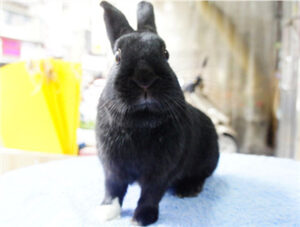
Havana Rabbit
The Havana Rabbit is a popular fur rabbit whose beautiful chocolate- or blue-colored coat makes it prized for pelts and increasingly kept as a pet. Originating in the Netherlands, it is lively and needs careful early-life care and coccidiosis prevention.

Rabbit Mastitis: Causes, Signs, and Treatment
Rabbit mastitis, common about a week after kindling, blocks kits from nursing and can kill the doe through tissue death or sepsis. It stems from dirty housing, cage splinters, oversupply from too much concentrate, or bitten teats. Prevent with managed feed and smooth clean cages; treat early with cold packs and ichthammol, later with hot packs and penicillin plus mequindox and dexamethasone, and surgery for abscesses. A sick doe can pass yellow-urine disease to kits, so treat both.

Symptoms of Gastroenteritis in Rabbits
Gastroenteritis hits rabbits of any age but kills many kits; catch it early or it's often fatal, so prevention beats treatment. Signs are foul, watery diarrhea with mucus, blood, and undigested feed, a soiled rear, a fever that then crashes below normal, and later lethargy, dehydration, and sunken eyes. Prevent with strict diet and hygiene; treat with antibiotics, anti-diarrheals, and fluid therapy.
Rabbit Salmonellosis
Rabbit salmonellosis is a digestive disease caused by Salmonella typhimurium and Salmonella enteritidis, mainly hitting pregnant does. The bacteria are weak against disinfectants such as 3% lysol or 5% lime milk. Prevention centers on hygiene, flock screening, and killed vaccines for breeding and pregnant does.

Symptoms and Treatment of Rabbit Ear Mange
Rabbit ear mange is a highly contagious skin disease caused by mite infestation, usually the result of poor hygiene. Infected rabbits scratch their ears constantly and shake their head, and may also show lethargy, restlessness, and loss of appetite; if left untreated the infection can spread and become life-threatening.
Rabbit Pneumonia: Symptoms and Treatment
Rabbit pneumonia usually follows a cold, with cough, thick nasal discharge, and labored breathing; isolate the rabbit and treat with anti-inflammatory care plus warmth and good hygiene.

Factors Behind Sore Hocks (Pododermatitis) in Rabbits
Sore hocks cost rabbit breeders economically and are common, so prevention matters. This article explains the factors that trigger sore hocks in rabbits (especially Rex rabbits) and how to prevent them.

Winter Rabbit Care Tips
Winter is easier than summer but has its own rules — warmth, more feed, timed shearing, exercise, hygiene, and breeding prep. This guide covers the six points.
Essential Rabbit-Care Basics Every Owner Should Know
New owners often feel lost; without learning, rabbits are hard to keep alive. Here are the basics of rabbit care.
- « Previous
- 1
- 2
- 3
- Next »