Search Results
29 results for “hutch hygiene”

A Complete Guide to Preventing Rabbit Diseases
Disease prevention is a vital part of rabbit management, yet most farms are weak here. Here are some prevention and control measures to ease the burden on rabbit keepers.

How to Keep a Rabbit Odor-Free
Rabbits are clean animals—odor comes from poor hygiene, not the rabbit. Keep the hutch airy and tidy, bathe only when needed with plain water, and manage urine smell with absorbent bedding and disinfectant.

How to Care for Rabbits in Winter: Tips for Pet Owners
Rabbits are not easy pets, and careless winter care makes them sick. This guide covers warmth, extra feeding, cage hygiene, exercise, winter breeding, and careful grooming so your rabbit stays healthy through the cold months.
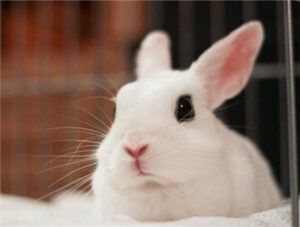
Blanc de Hotot Rabbit
The Blanc de Hotot Rabbit comes in large and dwarf forms, both pet breeds known for their pure white coat with black eye-rings and ears—like a panda. Gentle and cute, it needs regular grooming, nail trimming, and a dry, quiet home.
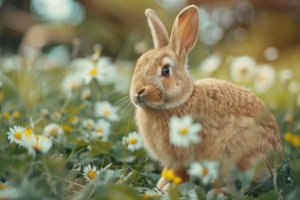
Precautions for Group-Fattening Meat Rabbits
Group-fattening meat rabbits saves labor and improves finishing, but only if you manage stocking density, separate sexes and group by condition, keep littermates together, run an all-in/all-out system, and maintain strict hygiene, disinfection, quiet, and temperature control. These measures raise survival and finishing rates.

Preventing and Treating Rabbit Pasteurellosis
Pasteurella multocida lives quietly in the nasal and tonsillar tissue of many healthy rabbits and strikes only when stress or poor husbandry lowers resistance, spreading through secretions and contaminated feed or water. Control it with strict sanitation, regular vaccination, and prompt antibiotic or antiserum treatment.
My rabbit keeps sneezing, wet nose, slight stuffy breathing; appetite, energy and stool normal — what to do?
Rabbit colds come from chills or poor ventilation/hygiene. Treat promptly and keep warm. Use veterinary antibiotics (enrofloxacin, amoxicillin) for secondary infection, and astragalus polysaccharide oral liquid for immunity; for fever use flunixin meglumine. Never use human cold or Chinese patent medicines — risk poisoning. If worse, see a vet.

What to Do If Your Rabbit Has Fleas
If your rabbit has fleas, isolate it first and disinfect its environment to kill fleas there. Then treat the rabbit with a cat-safe topical flea product (few rabbit-specific ones exist), watching the dose to avoid poisoning, and use an Elizabethan collar. Keep the habitat clean and check the coat regularly to prevent reinfestation.
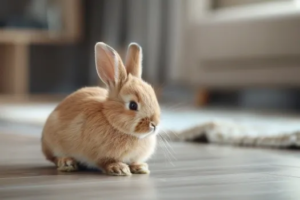
Do Rabbits Need to Hibernate?
Rabbits do not hibernate. As warm-blooded animals, they regulate their own body temperature and stay active through winter. That said, they still feel the cold despite their thick fur, so owners must provide warmth and shelter when temperatures drop. Moving the hutch indoors, sealing drafts, lining the cage, and adding soft bedding all help prevent chilling. Adjusting the diet with extra food and higher-calorie items supports their increased winter energy needs. This article explains why rabbits skip hibernation and how to keep them safe in cold weather.
- « Previous
- 1
- 2
- 3