Search Results
4345 results for “how to pet a dog”
What happens if a dog eats raw meat?
Eating raw meat can expose a dog to bacteria and parasites, causing abdominal pain, vomiting, and diarrhea; pet probiotics and regular deworming help, and severe vomiting needs a vet. Too much raw meat also drives obesity and stresses the liver and pancreas, so a kibble-based diet with occasional boiled chicken, egg yolk, and chews is safer.
What happens when a dog gets jealous?
A jealous dog may sulk silently in a corner and, if not comforted, later ignore its owner. Some dogs compete openly for attention — clingier while growling at the rival — while others bare their teeth at the owner or quietly watch, then secretly retaliate against the favored pet.
What happens if a dog doesn’t eat salt?
A long-term lack of salt causes electrolyte imbalance in dogs — muscle weakness, stunted growth, weight loss, and poor appetite, and in severe cases pica (eating plaster, grass, or dirt). Salt is essential and is added to commercial food, but too much causes shedding, tear stains, high blood pressure, and even salt poisoning, so homemade diets need a small amount added.
How can I take my dog on a train?
Dogs can travel by train through the railroad's checked-baggage (pet shipping) service, which usually has a weight limit of under 20 kg. Not every train type offers it, so call the railway hotline (12306) to confirm before buying a ticket, obtain the animal quarantine certificate in advance, and arrive 2–3 hours early on travel day to complete the shipping paperwork.
What happens if a dog eats fake dog food long-term?
Long-term consumption of fake dog food causes indigestion — many counterfeit foods use sand and ground-stone powder in place of starch — leading to gastroenteritis, kidney failure, and even death. It also causes malnutrition and, because of heavy palatant use, picky eating when you try to switch foods, so any diet change must be gradual.

Why Does Your Dog Keep Passing Smelly Gas?
A few farts a day are normal—gut bacteria make gas as they ferment food. But frequent, foul gas points to diet, fast eating that swallows air, an unbalanced gut flora, or illness like IBD, pancreatic trouble, or parasites. Fix it with a quality low-filler diet, a slow-feeder bowl, daily exercise, belly massage, and pet probiotics. If gas comes with diarrhea, vomiting, or weight loss, see a vet.

Why Does Your Dog Keep Shaking Its Head? Don’t Ignore These Causes
An occasional head shake after sleep or a swim is normal, but frequent, forceful shaking with scratching, redness, odor, or discharge means trouble—usually an ear infection. Bacterial or fungal otitis, ear mites, and trapped grass seeds lead the list; allergies and, rarely, ear tumors are also possible. Learn the telltale discharges, clean gently, keep up monthly parasite prevention, and see a vet if it doesn't improve in days.

Can You Bathe Your Dog in Winter? Yes—With These 3 Points
Winter bathing isn't forbidden—it's about method. Bathe too often or not at all both cause problems, and human products harm a dog's skin. Choose the warmest midday hour, preheat the room to 25–28°C, keep the whole wash to 10–15 minutes at 38–40°C water, then dry thoroughly. Rest indoors an hour or two before going out, and a warm, clean coat keeps your dog healthy and close to you.
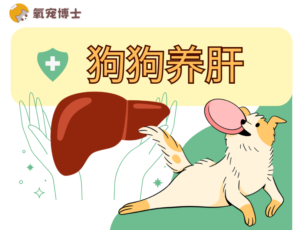
Foods That Support Your Dog’s Liver
The liver filters toxins, stores nutrients, and makes bile, yet it stays silent until heavily damaged—so daily support matters. Quality protein, cruciferous vegetables, and berries aid detoxification, while milk thistle, dandelion root, and omega-3s protect cells. Just as vital is what to skip: fatty foods, toxic items like chocolate, onion, and grapes, and human medicines that strain or poison the liver. Keep water flowing and weight healthy.
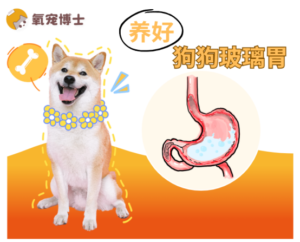
How to Care for a Dog with a Sensitive Stomach
A weak gut hurts more than digestion—it drags down nutrient uptake and immunity. Causes range from sudden diet changes and parasites to infection, chronic gut disease, and stress. The fix is a gentle, single-source diet on a fixed schedule, a careful transition to new food, light toppers like pumpkin or boiled chicken, and pet probiotics. Keep the belly warm and add gentle exercise; see a vet for persistent vomiting, blood, or lethargy.