Search Results
4345 results for “how to pet a dog”

Why Is Your Calm Dog Suddenly Barking So Much?
A dog that suddenly won't stop barking is communicating something. The cause may be physical pain, psychological stress like separation anxiety, or unmet needs for food, attention, or exercise. Rule out illness first—limping, vomiting, or appetite loss mean a vet visit—then ease anxiety with gradual alone-time training, a quiet safe corner, and reward-based calm. Patience beats punishment, which only makes it worse.

How Many Meals a Day Should Your Dog Eat, and How Much?
Feeding rhythm matters as much as the food itself. Puppies under a year need four down to three small meals a day to fuel growth without overloading the gut; adults do well on two; seniors return to three. Adjust for obesity, high activity, or sensitive stomachs. Portion size follows the bag's guide, then fine-tunes with stool quality, body size, and exercise. Match the plan to the dog, and you've got it right.
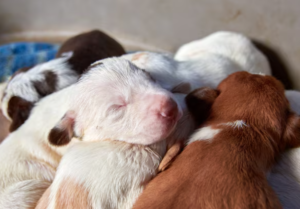
Signs Your Dog Is About to Give Birth: A First-Time Whelper’s Guide
A dog's pregnancy runs about 58–63 days, and the final week brings clear signals that labor is near. One to two weeks out she nests and eats less; 24–48 hours before, her rectal temperature drops 1–2°C and the vulva softens; within hours she grows restless, stops eating, and begins contractions. Preparing a quiet whelping box, supplies, and a vet's number ahead of time keeps the process safe—and knowing the signs of dystocia can save lives.

Why Is Your Dog Suddenly Drooling a Lot? 4 Causes to Watch
Dogs pant to cool off, so some drool on a hot day is normal. But sudden, heavy salivation in normal temperatures can signal trouble. The causes worth flagging are oral disease, poisoning, heatstroke, and neurological problems, with severe kidney or liver disease and even rabies as grave possibilities. Teething, car sickness, or excitement explain milder cases. When drooling pairs with collapsing, seizures, or suspected toxin exposure, head to the vet at once.
My dog’s eye was bumped, is swollen, and now shows no response
For a minor eye injury with swelling, check for foreign objects and use pet anti-inflammatory eye drops. If swelling persists or pain, tearing, or blurred vision appear, see a vet.
My one-month-old Malinois had deworming yesterday and lost its appetite the next day — why?
Reduced appetite after internal deworming is normal; the medication irritates the gut and may cause mild vomiting, diarrhea, or appetite loss that usually passes in 1–2 days. If symptoms persist, rule out allergy or other illness and see a vet.
What medicine helps my dog’s tear stains heal faster?
Tear stains have different causes — blocked tear ducts, conjunctivitis, keratitis — so there is no single 'pill' that fixes them. Massage the tear glands, use an eye-care gel, and for inflammation use pet-specific antibiotic eye drops or ointment; the exact treatment depends on the diagnosed cause.

How to Ease Acid Reflux in Dogs
If your dog dry-heaves after meals or brings up white foam or yellow fluid with foul breath, it may not be simple stomach upset—it could be acid reflux, or GERD. The stomach's lower valve relaxes and lets acid creep up the esophagus, which can inflame and even ulcerate over time. Diet changes, vet-guided medication, and a few lifestyle tweaks usually bring real relief.

Why Is Your Dog’s Gum Pale? Don’t Ignore It—It Could Signal These Illnesses
A healthy dog's gums are pink and refill quickly after a light press. Pale or whitish gums often mean the body isn't getting enough oxygen—usually because of anemia or an underlying chronic disease. The causes range from nutritional and blood-loss anemia to kidney or liver problems and infections. Because pale gums can point to something serious, they deserve a prompt check rather than guessing at home.

Can Dog Parvo Infect Humans?
Canine parvovirus does not infect people—it's a canine-only virus with no ability to cross species to humans. Owners should focus on saving the dog and stopping dog-to-dog spread, not on catching it themselves. Parvo is extremely contagious and often fatal among unvaccinated dogs, especially puppies, so fast veterinary care and thorough disinfection at home are what matter.