Search Results
1256 results for “how to hold a cat”
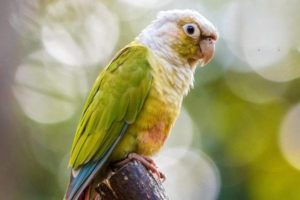
What to Do When a Parrot Is Egg-Bound?
Egg-binding is not rare, even in previously healthy layers. Handle it promptly or the parrot may die. Our team shares solutions.

Why Is My Parrot Fish Not Swimming?
A parrot fish that suddenly stops swimming may be low on oxygen, too cold, frightened, or sick. Check water and temperature first; if those are fine, treat for gut infection.

What to Do When Your Dog Is Retching or Vomiting
Dog vomiting can come from swallowing a foreign object, overeating, or bacterial or viral gastroenteritis (parvo, coronavirus). For choking, get an X-ray; for simple regurgitation, fast 6-8 hours then feed probiotics; for lethargy with fever or diarrhea, see a vet at once. Regular deworming helps.

Can Sunken Arowana Eyes Be Saved?
Sunken arowana eyes can be saved. Raise the temperature to 30-32 C, change water often, and add oxygen; use oxytetracycline only if it doesn't improve.

What to Do When a Blood Parrot Fish’s Fins Rot
Fin rot in blood parrot fish is usually caused by poor water quality or injuries from fighting. Here is how to treat it with water changes, medication, and isolation.
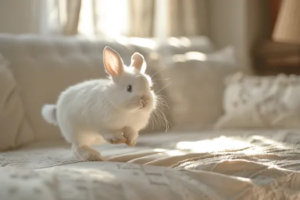
Will a Rabbit’s Diarrhea Get Better on Its Own?
A rabbit's gut is delicate, so diarrhea is a serious sign that will not resolve on its own. Causes include coccidiosis, chills/colds, improper diet, and rabbit hemorrhagic disease (RHD); treatment ranges from veterinary care for infection or RHD, to warming and diet fixes for mild cases. Never wait it out.

How to Get a Parrot Fish to Develop a Nuchal Hump
A parrot fish develops its characteristic head hump only with the right genes plus stable warm water (around 26 C), clean frequent water changes, ample oxygen, and protein-rich or dedicated hump-growth feed.

Parrot Pneumonia: Symptoms and Treatment
Parrot pneumonia often follows untreated colds or arises from dirty, pathogen-heavy environments. Signs include lethargy, loss of appetite, breathing difficulty, and shivering. Treatment focuses on warmth (22-25 C), clean housing, supportive care, and antibiotics such as gentamicin for serious cases.
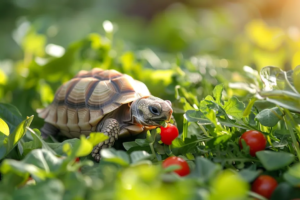
Feeding Precautions to Prevent Enteritis in Turtles
Turtle enteritis has primary causes (poor husbandry) and secondary causes (parasites, liver disease, systemic infection); the primary causes are the easiest to control. The key feeding measures are: avoid hard-to-digest or spoiled food, stop feeding in low or sharply fluctuating temperatures, wait before feeding a newly arrived turtle, and pause feeding during illness—plus feed on a fixed schedule and in measured amounts.

British Shorthair
The British Shorthair is a compact, powerful, easygoing cat with a round face, dense short coat, and large round eyes. With a history tracing to Roman times, it became a recognized breed in 19th-century Britain and is beloved for its calm, friendly, adaptable nature—an ideal companion that gets along with everyone.