Search Results
463 results for “how to choose dog food”

Which Dog Breeds Are Easy to Keep and Do Not Shed Much?
Breeds that are relatively easy to care for and light on shedding include the Poodle, Bichon Frise, Australian Shepherd, Standard Schnauzer, Chinese rural dog, Siberian Husky, Labrador Retriever, West Highland White Terrier, Maltese, and Beagle. Poodles have curly coats that rarely drop and need little trimming, while Chinese rural dogs are gentle, loyal, easy to train, and short-coated. Even low-shedding dogs need regular brushing, enough exercise, social time, and good food and water.

How to Choose a Good Dog Boarding Home
Home boarding - paying someone to care for your dog - can beat a cage at a shop, but pick well. Seven points: choose a professional, hygienic boarding home and visit in person to see solid fixtures and calm, well-managed dogs (avoid shops mixing small, large and aggressive dogs). Pack your own food, probiotics for sensitive guts, and the dog's bowls, bed, blanket and pads. Tell the host everything - habits, diet, temperament, special needs. Sign a boarding agreement and read it, since infection risk is highest there. Check vaccines are current and boost a week before if expired. Keep the first stay under five days, as dogs are social and may think they were abandoned, turning gloomy and harming health. A good environment with dog company and a set routine supports well-being.
Free-Roam vs Crate: How to Raise Your Dog
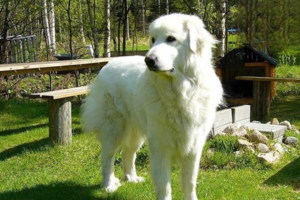
Free-roam and crate raising each have pros and cons. Free-roam gives freedom, better socialization and fitness, but untrained dogs ignore commands, scavenge harmful food and may wreck furniture - and face the risk of being taken. A crate is a safe den that limits destruction and eases training and guest safety, but long-term caging can cause bone issues in growing pups and shy, poorly socialized adults. The right choice depends on your time and situation; many owners blend both, and neither is wrong.

How to Deal With Dog Bad Breath and Tartar
The best defense against tartar is daily brushing, dental chews and an annual vet check. Choose chew products sized to your dog's mouth so they are not swallowed or lodged in the throat. Brush with a pet toothbrush - large head, soft dense bristles - and if your dog resists, start with a dab of honey on the brush or a gauze wrap around your finger. Dental sprays, powders and water additives are convenient supports but less effective than brushing. None of these remove existing tartar; severe buildup needs professional ultrasonic scaling.

How to Tell If a Cat and Dog Can Live Together
Cats and dogs fight mainly because of their natures, so owners who want both should understand why they clash before helping them get along. Cats are solitary and wary, dogs are social and curious, and a dog's size and prey drive can frighten a cat. Their body language also differs: a dog's wagging tail is friendly, but a cat's is a warning. They also compete for food and attention. The good news is many learn to coexist with patience: raise them young together, give each its own safe space and feeding area, swap scents first, choose calm breeds, and stay neutral as the owner.

What to Do When Your Cat or Dog Has Chronic Constipation, Diarrhea, or Indigestion
About 60 to 80 percent of a cat or dog's immune system resides in the digestive tract, and a healthy gut is the body's first line of defense against pathogens and toxins. When the intestinal flora falls out of balance, pets frequently develop constipation, diarrhea, and poor digestion and become far more prone to illness. Diet, stress, medications, and a naturally smaller microbiome all influence gut health. Probiotics can help restore balance, but most beneficial bacteria are destroyed by stomach acid or by heat during food processing. This guide explains why gut balance matters, what disrupts it, and how to choose a heat- and acid-resistant, high-activity probiotic that actually survives to reach the intestines where it is needed.
Why Dogs Resist the Crate and How to Help
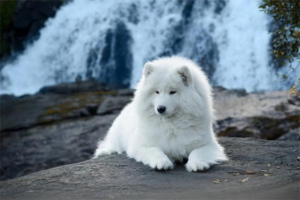
Dogs resist the crate for a few reasons: it feels strange and limits freedom, it is uncomfortable, or the dog wants something like play. To reduce resistance, use a properly sized, cozy crate that lets the dog turn around, build security with familiar scents, and limit crate time so the dog does not become frustrated. Crates are useful when you are out, but otherwise let the dog roam freely.

What Happens When Dogs Eat Cheap Low-Quality Food Long Term
Cheap dog food of unknown origin can lack the nutrients a dog needs while carrying excess salt, sugar, and additives. Fed long term, it harms health in many ways: diarrhea, malnutrition, extra strain on the liver and kidneys, hair loss and dry skin, obesity, and dental decay. To protect your dog, choose a high-quality food with balanced nutrition, protein around 25 to 30 percent, fat 14 to 17 percent, and salt under 0.8 percent. Good food lists real meats by name, avoids artificial additives, and comes from a trusted brand.

What Happens When Dogs Eat Unevenly?
Feeding a dog unevenly, with stretches of hunger followed by overeating, harms its health and happiness. A dog's digestive system needs steady nourishment; frequent starvation and binging strain it, causing indigestion, vomiting, or diarrhea. Long-term nutrient gaps can slow development, weaken immunity, and invite chronic disease, while the starve-binge cycle destabilizes weight. To keep a dog healthy, feed on a consistent schedule, keep portions balanced, and always provide fresh water.

Are Dog Treats a Blessing or a Poison?
Treats come in many types. Meat jerky (chicken/duck/beef, dry or moist) suits most dogs—buy branded, dated, labeled ones. Functional treats include dental biscuits and chews (rawhide, pork/beef skin, plant protein) that clean teeth and pass time; size to the dog to avoid swallowing. Dairy treats need lactose-free choices for lactose-intolerant dogs. Natural chews (bones, rabbit ears) are popular but unpreserved, so buy small. Pick known brands with clear labels, check dates, and remember: staple food sustains alone; treats alone do not—and too many treats breed pickiness.