Search Results
463 results for “how to choose dog food”

Why Is Your Dog Allergic to Its Kibble?
Kibble allergy is usually to a specific ingredient — often grains (corn, wheat, rice) a dog's meat-oriented gut can't digest well, causing redness or diarrhea, though breed and immune factors also matter. Find the trigger with a vet test, then avoid it: choose grain-free, low-allergen, high-protein, low-gluten food, switch gradually, and use meds for severe symptoms under guidance.
What small dog breeds are suitable for lazy owners?
Teddy (Poodle), Bichon, Bulldog, Pug and Corgi are small, low-appetite and light-shedding. Watch tear stains in Bichons and Teddys by choosing the right food.

What to Do When Your Dog Eats but Doesn’t Gain Weight
A dog that eats but stays thin may have low-quality or single-food diet, too little food, too little exercise, an illness (parasites, hepatitis, kidney disease, hyperthyroidism, gastroenteritis), or stress. Feed a rich, high-quality diet in small frequent meals, exercise daily, and see a vet if it's underweight or shows other symptoms.
Which Dogs Should Eat Low-Fat Food?
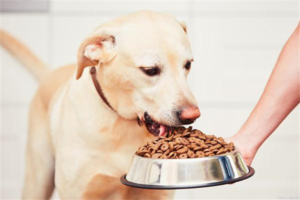
Low-fat dog food suits dogs that need to cut back on fat: overweight or obese dogs, those with pancreatitis and similar illnesses, seniors, low-activity dogs, and dogs with sensitive stomachs. Healthy dogs can have some, but not as a long-term staple, since too little fat can harm the skin, coat, and immune system.

What Counts as Low-Fat Dog Food?
Low-fat dog food is not simply any bag labeled 'low fat' — it must meet real nutritional standards, with crude fat around 5.0%–9.0% and protein around 22%–35%. It is a useful tool for overweight dogs or those with conditions like pancreatitis, but healthy dogs do not need it and may lose energy on too little fat.

What to Feed a Dog Recovering from Diarrhea?
During recovery from diarrhea, feed easily digested, high-carb, low-fat foods such as plain rice, broths, boiled chicken, cooked vegetables, and yam, in small frequent meals. Add probiotics or a gastrointestinal prescription diet, and avoid greasy, spicy, caffeinated, or allergenic foods; see a vet if symptoms persist.

What’s the Difference Between Cat Food and Dog Food?
Cat and dog foods differ in ingredients, nutrition, texture, and purpose. Cat food is richer in animal protein and contains taurine, which dogs don't need; feeding a cat dog food long-term causes malnutrition, poor coat, and taurine-deficiency heart and eye damage. Always feed species-appropriate food.
Does More Eye Discharge After Changing Dog Food Mean the Food Is Bad?
Extra eye discharge after switching dog food does not automatically mean the food is low quality — it can be a mild adjustment reaction, a food intolerance, or something unrelated like blocked tear ducts or an ear infection. Some foods are high in salt, and if your dog drinks little, this can cause 'inner heat' with more discharge, bad breath, and dry stool. Rule out the food by checking the label, watching overall health, and if discharge is thick, colored, or lasts over a week, see a vet.

How to Prevent Bad Breath in Dogs
To prevent bad breath, keep these points in mind: 1) avoid too much wet food and feed a harder, easily digested natural kibble; 2) brush regularly to remove food debris and limit bacteria; 3) give probiotics occasionally to support gut health; 4) see a vet promptly at any sign of oral disease.

How Should an Old Dog Eat After Losing Its Teeth?
After a dog loses its teeth, you can help it keep eating well by adjusting its diet — choose foods that are easy to chew and swallow, and avoid hard items that irritate the mouth. Pay attention to balanced nutrition and ongoing dental care so your senior dog can still enjoy meals and stay healthy.