Search Results
463 results for “how to choose dog food”

Can Dogs Be Allergic to Their Own Kibble?
Dogs can be allergic to kibble, and it is not rare; the usual trigger is grain. Descended from wolves, dogs are built to digest protein and fat, so too much wheat, rice, or corn can cause poor digestion and allergy, and tolerance varies by individual. Signs include hair loss, red itchy skin, spots, restlessness, breathing trouble, runny eyes and nose, swollen paws, and gut upset like vomiting or diarrhea. If your dog is allergy-prone, choose grain-free food and introduce any new food in small test amounts first.

What to Do With Your Dog During the Holidays: Three Boarding Options
When you can't take your dog home for the holidays, you have three main options: home-style boarding, in-home feeding visits, or a professional facility. Sensitive or easily stressed dogs usually do best with someone coming to your home, while outgoing dogs may tolerate a kennel. Whatever you choose, your dog's safety and basic needs come first—prefer people you know and inspect any facility in advance.

Dog CoQ10 and Heart Disease: What the Research Points To
Clinical data puts heart-disease incidence in dogs aged 5–8 at around 10%, and early signs—frequent panting, coughing, poor appetite—can progress to pulmonary edema, thrombosis, or kidney strain. CoQ10 fuels the heart muscle and may slow heart failure and hypertrophy, but products vary widely. Knowing what a sound formula looks like helps you choose past the marketing.

How to Quickly Relieve Dog Indigestion (Food Bloat)
Dog indigestion, or food bloat, is a common digestive problem that can bring vomiting, diarrhea, and lost appetite. A pet probiotic aids digestion and nutrient uptake, while small frequent meals prevent overeating. Avoid greasy, spicy, or hard foods and too much meat; choose light, easy-to-digest meals. Gently massage the abdomen to help movement and ease bloating. If severe bloat brings abdominal swelling, vomiting, breathing trouble, or diarrhea, seek veterinary care at once, as it can lead to gastroenteritis.

Is Dog Neutering Risky for Infection in Summer?
Neutering a dog in summer does raise the chance of wound infection, because heat, humidity, and heavier sweat and oil let bacteria multiply faster and slow healing, while mosquitoes and fleas add irritation. With good care, though, a summer surgery can still go smoothly. Keep the incision clean and dry, use an Elizabethan collar, limit activity, provide a dry clean space, feed quality food, control parasites beforehand, and check the wound often for swelling, discharge, or odor, seeing a vet for anything abnormal. Choose a reputable clinic for the procedure.

CoQ10 for Cats and Dogs: Food Sources, Benefits, and Who Needs It
Coenzyme Q10 (CoQ10, or ubiquinone) is a fat-soluble compound that helps cells make energy and is concentrated in high-demand organs such as the heart, liver, and kidneys. Most healthy pets make enough on their own, but seniors, certain breeds, and pets with heart conditions may benefit from supplementation. This guide covers what CoQ10 does, which foods naturally contain it, which pets are most likely to need a supplement, and the key safety precautions to keep in mind.
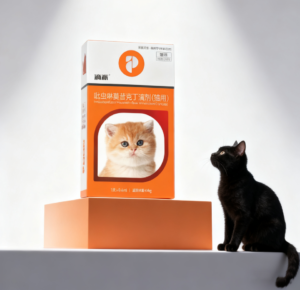
Cat Dewormers Compared: How to Choose the Right One
More than half of household cats are estimated to carry at least one parasite at some point, with fleas, roundworms, and heartworm among the most common. Regular, science-based deworming can sharply lower that risk and protect both cat and owner. This guide compares the main types of cat dewormers by their active ingredients and explains how to match a product to your cat's age, lifestyle, and parasite exposure, so you can build a safe, sustainable routine without relying on brand hype.

The Dangers of Dental Tartar in Dogs
Dog tartar is hard buildup of bacteria and food debris along the gumline. Left alone it drives gingivitis, bad breath, loose or lost teeth, mouth infection, periodontal disease, respiratory infection, and even whole-body issues like heart, kidney, and diabetes risk. Prevention means regular brushing, dry food over wet, and limiting sugar and starch. Severe cases need a professional dental cleaning, and badly loose teeth may require extraction.

Dog Panting After a Few Steps? Don’t Ignore Heart Trouble
A dog that pants heavily or struggles to breathe after only a short walk may be signaling heart disease rather than mere old age or extra weight. Key warning signs include a sudden drop in stamina, labored breathing at rest, blue-tinged gums, nighttime coughing, and lethargy. Early veterinary diagnosis and daily heart-care management can dramatically slow progression and extend your dog's life.

Lactose Intolerance in Dogs and Cats
Lactose intolerance in dogs and cats is the inability to digest lactose in milk and dairy products because of low lactase activity in the intestinal lining. It causes osmotic diarrhea, abdominal discomfort, and a gurgling abdomen after dairy is consumed, and resolves simply by removing dairy from the diet.