Search Results
275 results for “heating”
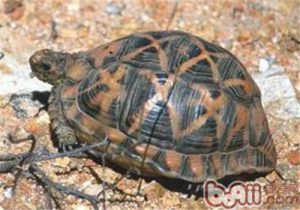
Tent Tortoise
The Tent Tortoise (Psammobates tentorius), also called the tent star tortoise, is a small, heat- and drought-tolerant tortoise that prefers plant food. Keeping it is fairly demanding, though a few individuals can be found in the pet trade.

Mexican Fireleg Tarantula
The Mexican Fireleg Tarantula (Brachypelma smithi) is a beautiful but somewhat nervous spider native to Mexico. It prefers to hide in cool, dry, and dark burrows and grows at a relatively slow rate.

Stripe-necked Leaf Turtle
The Stripe-necked Leaf Turtle (Cyclemys tcheponensis) has a broad distribution and healthy wild populations, and even wild-caught individuals adapt well to human care. A semi-aquatic species, it favors shallow water adjoining land; adults prefer fruit while juveniles lean toward meat.

Golden Python
The Golden Python is a patternless, leucistic morph of the Burmese python (Python bivittatus), prized for its uniform golden-cream coloration. Wild-type individuals cannot survive in nature due to a lack of protective melanin, so every specimen in captivity is captive-bred. A large, heat-loving constrictor, it needs steady temperatures of 26–33°C, regular soaking to aid shedding, and a diet of whole rodents or rabbits.

Banded Krait
A strikingly banded, highly venomous elapid of southern China and Southeast Asia - beautiful but dangerous; not a pet and a poor choice for novices.

Burns in Dogs and Cats
Burns are tissue injuries caused by heat (fire, steam, hot liquids) or other agents. They are graded by depth: first-degree heals in about a week, second-degree in 20–30 days, and third-degree is severe and prone to infection. Quick first aid and veterinary care prevent shock and sepsis.

Carbon Monoxide Poisoning in Dogs and Cats
Carbon monoxide poisoning occurs when pets breathe gas from faulty heaters, car exhaust, or confined smoke. It binds to blood and starves tissues of oxygen, causing vomiting, weakness, bright-red gums, seizures, and coma. Move the pet to fresh air and get veterinary help at once.

Heatstroke and Sunstroke in Dogs: Symptoms, Treatment, and Prevention
Heatstroke and sunstroke—together called heat illness—overwhelm a dog's ability to shed heat, sending body temperature dangerously high and damaging the brain and organs. Large and short-nosed breeds are most at risk, and rapid cooling with veterinary care is lifesaving.
Why does my dog have eye discharge?
A small amount of eye discharge is normal and consists of natural eye secretions mixed with dust. However, large amounts of discolored discharge can signal eye disease such as tear-duct issues, infection, or structural abnormalities, while overheating or allergies may also increase it. If the cause is unclear, have your dog examined by a veterinarian.
What should I do if my puppy has pus-like eye discharge?
Pus-like eye discharge in a puppy is often due to overheating or an inflammatory infection. Clean the eyes with pet wipes or an eye wash, then apply a pet-specific antibacterial eye drop two to three times daily, and keep the diet light. If symptoms do not improve, take the puppy to a veterinary clinic for proper diagnosis and treatment.