Search Results
275 results for “heating”

Vipera ruselli siamensis
The white-browed pit viper (Vipera ruselli siamensis) is a venomous pit viper found in Fujian, Guangdong, and Guangxi in China, and abroad in India, Pakistan, Myanmar, and Thailand. Despite its potent venom, used medically to treat cerebral thrombosis, it is one of the easiest snakes to keep and tolerates a wide range of temperatures.

Dyscophus antongili
The Antongil Bay Tomato Frog (Dyscophus antongili) is native to the east coast of Madagascar and feeds on insects. Restricted to a narrow range and threatened by habitat loss and poaching for the pet trade, it is listed under CITES Appendix I. Wild individuals come in red (females) or yellow (males), so choose a female if you want a red 'tomato'.
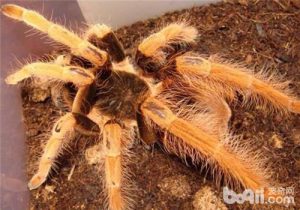
Colombian Redleg Tarantula
The Colombian redleg (Megaphobema robustum) is a rare, large, gentle tarantula from highland Colombia, reaching an 18 cm leg span. Best for intermediate keepers, it needs cool temperatures and may be nervous and defensive.
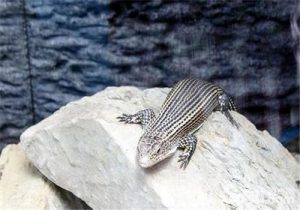
Armadillo Lizard
The armadillo lizard (Cordylidae) is a hardy, diurnal lizard from the dry savannas of eastern and southern Africa, reaching up to 48 cm. Omnivorous and relatively easy to keep, it needs a dry enclosure with UVB lighting, a hide, and a varied diet of insects and greens.

Tuatara
The tuatara (Sphenodon punctatus) is one of the oldest surviving reptiles, a nocturnal inhabitant of the rocky coastlines and seabird burrows of New Zealand's offshore islands. It predates the dinosaurs and is the sole surviving member of the order Rhynchocephalia.

Fox Snake
The fox snake (Pantherophis vulpinus) is a North American colubrid named for the fox-like musk its glands release when disturbed. A harmless, non-venomous constrictor found near the Great Lakes, it is an uncommon and somewhat specialist pet.
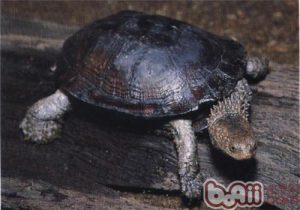
Chaco Side-necked Turtle
The Chaco Side-necked Turtle is a turtle of the genus Acanthochelys, first found in Argentina, Paraguay, and Bolivia. Because side-necked turtles are taxonomically complex, identifying species by appearance alone is difficult, and the Chaco Side-necked Turtle is neither widespread nor commonly seen in the market.

Adanson’s Mud Turtle
The Adanson's Mud Turtle is a small, seldom-seen aquatic turtle from central Africa, a minor member of the African side-neck genus. Although not internationally listed as endangered, it is rarely traded.

Pseudemys alabamensis (Alabama Red-bellied Turtle)
The Alabama red-bellied turtle is a small to medium aquatic turtle with a carapace 35–45 cm long. Hatchlings are vividly colored, but in the wild adults become dull and grayish-black; captive-bred individuals can retain their bright coloration.

Northern Australian Snapping Turtle
The Northern Australian Snapping Turtle (Elseya dentata) is active from April to October, foraging along the bottoms of waterways in warm months. If its habitat dries up, it migrates over land to permanent water or burrows into mud to estivate; remarkably terrestrial, many are killed crossing roads.