Search Results
481 results for “heat stroke”

How to Tell Heatstroke and Wet Tail Apart in Hamsters
Both wet tail and heatstroke are serious and can be fatal in hamsters, and their symptoms look alike, so owners often mix them up and delay treatment. Here is how to tell the two apart.
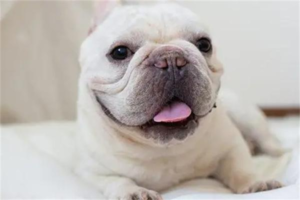
French Bulldog Heatstroke: Symptoms and What to Do
Heatstroke happens when a dog cannot regulate its body temperature in hot or humid conditions, causing dangerous overheating. As a short-nosed breed, French Bulldogs are especially prone to heat stress and breathing difficulty. An affected dog runs a temperature above 40°C with rapid breathing, red membranes, dry mouth, tongue extension, foaming, and even collapse — move it to shade, give water and electrolytes, and apply ice to the armpits, belly, and neck to cool it down.
How long does it take a French Bulldog to recover from heatstroke?
With prompt care, recovery takes 1 to 7 days by severity. Mild cases moved to shade and given water recover in about half a day; severe cases with seizures or fast heart rate need a hospital and may take days.
How Does a Dog Get Heatstroke?
Heatstroke comes from high heat or humidity since dogs cool poorly, plus exercise without rest and low water intake. Signs include thirst, fast breathing, tongue color change, vomiting, diarrhea, seizures or coma; cool and seek care.
What Does Heatstroke Death Look Like in a Dog?
Heatstroke death shows drooling, bluish mucous membranes, labored breathing, convulsions, fast pulse, dehydration, coma and dilated pupils. Prevent by avoiding long outdoor activity in summer and giving water; cool and treat promptly if symptoms appear.

Are Chinchillas Prone to Heatstroke? How to Treat It
Chinchillas are very heat-prone: their thick Andean coat resists cold but they have few sweat glands, so heat and humidity quickly cause fatal heatstroke. Cool a stricken pet with ice and a fan, wipe alcohol on thin-furred spots, give a cooling remedy, and rehydrate — and keep the room below 28°C, ventilated, and shaded in summer.

Chinchilla Heatstroke: Symptoms and Emergency Care
Chinchilla heatstroke happens when heat and humidity stop the body from shedding heat, and severe cases are fatal fast. Watch for lethargy, unsteady standing, or coma; for mild-to-moderate cases move the pet to a cool place, apply cooling balm, and give a heat-relief fluid, while severe cases need glucose and a vet.
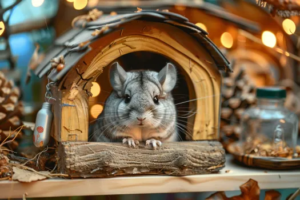
Chinchilla Heatstroke: First Aid and Prevention
Chinchillas are very heat-sensitive and can die quickly from severe heatstroke. Move a stricken pet to a cool, airy place, wipe it down, and give cooling fluids; prevent trouble by placing the cage out of the sun and using AC, a cooling fan, or ice to keep the room between 8 and 22°C.
What happens in severe cat heatstroke?
Severe heatstroke causes foaming, dehydration, sunken eyes, low skin elasticity, breathing difficulty, high temperature, weakness, coma and convulsions, risking irreversible brain damage or death. Move to a cool ventilated place, rinse with water, and seek a vet if severe.
What happens if a dog gets heatstroke?
Heatstroke shows lethargy, fever, rapid breathing, and neck vein distension; severe cases cause collapse, convulsions, coma, and death. Move the dog to shade, fan it, and pour room-temperature water to cool. If severe, rush to a veterinary hospital.