Search Results
481 results for “heat stroke”
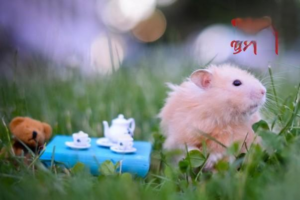
How to Keep Hamsters Cool and Prevent Heatstroke in Summer
In sustained high temperatures hamsters can suffer heatstroke. Use cooling bedding such as corn cob or cat litter instead of heat-retaining wood shavings, place the cage in a cool, well-ventilated room, and add a bowl of water or chilled stones to lower the ambient temperature. Make sure your hamster always has plenty of water to drink.

What to Do When a Chinchilla Has Heatstroke
Chinchillas come from cold, dry, well-ventilated highlands, so they tolerate heat poorly and many die of heatstroke yearly. Cool them gradually and seek a vet promptly.

Chinchilla Heatstroke: Symptoms and First Aid
Chinchillas have dense fur and poor heat dissipation, so they overheat easily in summer. Symptoms: pink/red ears (visible veins), rapid breathing, drooling, lethargy, and in severe cases collapse or unconsciousness (fatal without quick care). First aid: move to 10–21°C cool air (open fridge door, never sealed; never bathe), cool the ears with a wet cloth or an ice pack wrapped in cloth moved around the body, give saline if conscious, and keep body temp near 37°C after recovery.
How long does it take a dog to recover from heatstroke?
Heatstroke recovery depends on severity: mild cases treated promptly recover in hours to two days, while severe organ damage may need over a week. Move the dog to shade and cool it at once, and see a vet if serious.

How to Prevent Heatstroke in Pet Rabbits During Summer
Rabbits sweat poorly and overheat easily, so summer heatstroke can be fatal. Prevent it with shade (black mesh, awnings, whitewashed walls), ventilation, lower stocking density (~10 rabbits per m²), sprinkling water, ample cool drinking water with 1% salt or vitamin C, and cooling foods like watermelon rind and cucumber, plus electrolyte-glucose supplements.

Can a Dog Recover from Heatstroke on Its Own
Mild heatstroke in dogs can sometimes resolve on its own if the dog is moved to a cool place and cooled promptly, but moderate to severe heatstroke rarely self-heals and can be fatal. Treatment ranges from fan cooling and oral rehydration to emergency cooling and immediate veterinary care, while prevention focuses on coat trimming, never leaving a dog in a car, and avoiding midday walks.
How to Prevent Heatstroke in Cats in Summer
Cats have no sweat glands and cool only through paws and muzzle, so they overheat fast — heatstroke brings panting, rapid breathing, and can be fatal. In an emergency move the cat to shade, cool it with damp towels and alcohol on paw pads and armpits, and see a vet if needed. Prevent it with a cool airy home, plenty of water, AC around 25°C, trimmed paw fur, and never shave the coat, which protects against water loss, injury, and sunburn.

First Aid for a Heatstroked Chinchilla
A chinchilla in heat and humidity can't shed heat and may collapse. Mild cases droop with hot ears; moderate ones stand unsteadily and can't eat; severe ones stiffen, arch the head, twitch, foam, and coma. Move the animal to a cool, ventilated place, cool the head/ears, and give a diluted cooling herbal liquid plus glucose or rehydration salts — severe cases also need B1 and B12. Prevention (cooling early) beats rescue.

Why Chinchillas Get Heatstroke — and How to Prevent It
Chinchilla heatstroke comes from heat above 30°C, high humidity, heavy exercise, or dehydration. Mild cases droop and lose appetite; severe ones coma, arch the head, stiffen, and foam — and die fast. Keep the environment below 28°C with good ventilation and humidity control, avoid exercise and sun in heat, and always provide water. Indoors is safest.
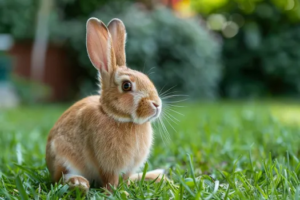
What to Do When a Rabbit Has Heatstroke
Rabbits overheat easily because of their thick coat and poor heat dissipation, and severe heatstroke can be fatal. Move a stricken rabbit to a cool, ventilated place, cool it with a damp towel, and prevent recurrence by keeping cages shaded, well-ventilated and supplied with plenty of water.