Search Results
481 results for “heat stroke”

What Factors Affect Chinchilla Prices?
A chinchilla's price depends on age, health, temperament, sex, and looks—2–4 month olds command more. When keeping one, limit watery produce and oily nuts, keep hay fresh, and avoid heat to prevent heatstroke.
How to raise a Bulldog?
Raising a Bulldog needs care: they are very active and need daily exercise to burn energy, but avoid hot weather to prevent heatstroke. They need balanced nutrition; choose high-quality kibble plus boiled chicken, beef, egg yolk, and fruits/vegetables. Early basic training and socialization control their fighting instinct; teach sit, stay, come.

Why Is Your Hamster Lethargic, Sleeping Constantly, and Not Eating?
A new hamster may just be settling in or frightened; heat or illness (cold, gut infection, parasites, low sugar, injury) can also cause lethargy and appetite loss. Hamsters are nocturnal, so daytime sleep is normal - constant sleep with other symptoms means trouble.

Does Weather Affect a Cat’s Mood? What Weather Do Cats Like?
Cats sense barometric pressure and are sensitive to weather; cold, dark days can trigger feline seasonal blues. They love mild, sunny weather and dislike rain, thunder, wind, and extreme heat - comfort them through storms to prevent stress.

Are Chinchillas Easy to Keep, and How Much Do They Cost?
Chinchillas are fairly easy: gentle, quiet, clean, and light eaters, living 15+ years. Prices run 300-500 yuan for standard grey up to 3000-5000 for rare colors. Downsides: timid, heat-intolerant (die above 30 C), limited bonding, and fragile digestion.

Chinchilla Care Basics: What Living Environment Do Chinchillas Need?
Chinchillas come from the dry, cool Andes, so they need 10-25 C and 40-60% humidity, dim light, fresh air without drafts, a quiet spot, and a tall cage placed up high where they feel safe.
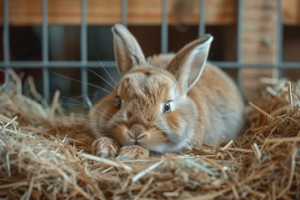
Key Points for Raising and Managing a Baby Rabbit
Baby rabbits are fragile: feed junior pellets and alfalfa (not fruit/veg), give clean water (never tap), keep the cage clean and quiet, hold temperature near 20 C (15-30 range), and prevent diarrhea and coccidiosis.
Why Chinchillas May Not Be for Everyone: Drawbacks and Who Should Avoid Them
Chinchillas are gentle but timid, shed, chew things, interact little, and overheat above 30 C. They suit allergy-free, patient, financially ready owners who can keep a quiet, cool, dry home - not light sleepers or the impatient.

How to Care for a Pet Rabbit, Especially One Newly Brought Home
Rabbits need hay (alfalfa for young, timothy for adults), pellets and veg twice daily, fresh water, a dry 15-25 C home, and no baths. A new rabbit needs quiet, limited space, separation from residents, and a fecal test (not yet deworming) at the vet.

How to Bond With a Newly Arrived Hamster
A new hamster is strange to its home and easily scared, so don't rush to handle it. For the first three days keep quiet and just watch, with food and water ready. From day four, offer food from your palm to build trust and let it learn your scent and voice. After a week, try a gentle head stroke. Place the cage out of direct sun, at least 30 cm off the damp floor, in a ventilated spot away from wires and hazards.