Search Results
481 results for “heat stroke”

Rhesus Macaque
The Rhesus Macaque (Macaca mulatta), also called the yellow monkey, rhesus monkey, or Guangxi monkey, is a primate physiologically very close to humans and easy to domesticate and breed. However, because many monkeys are now protected species, keeping a rhesus macaque as a pet has become a major challenge.

Pudding Hamster Behavior and How to Care for Them
Pudding hamsters are gentle but timid — the easiest breed to bully — and are food-loving, sleepy, and low-energy, which is why most stay plump. Caring for them means avoiding human food, direct sun, and water baths, keeping them solo or same-sex, and following rules on diet, bedding, and clean drinking water.

Common Mistakes in Hamster Care
Common hamster care mistakes: housing hamsters together (they're solitary and will fight or over-breed), putting them in direct sun (heatstroke), bathing them (risky — use bath sand), feeding human food (additives overload them), giving untreated tap water (chlorine poison — boil and cool), using newspaper as bedding (inky, poor), and giving too little space. Read on to raise yours safely.
How to Keep Rabbits Cool in Summer
Rabbits do best at 15–20°C and can die of heatstroke above that. In summer, keep water bowls/bottles filled, clip long-haired breeds short (not shaved), move cages to a breezy shady spot, dab the ears with water to cool them, and offer watery fruit and vegetables in moderation. Never aim a fan or AC directly at a rabbit — it causes colds, not cooling.

How to Tell If Your Chinchilla Is Sick
Chinchillas are subtle when unwell, so early signs are easy to miss. This guide shows what to check—eyes, anus, droppings, coat, teeth—and lists common illnesses (cold, heatstroke, enteritis, dental) with symptoms.

Bedding Options for Hamsters
Common hamster beddings include wood shavings, paper cotton, and cat litter, and whichever you choose must be changed often. For summer, low-heat options like cooling sand, tofu litter, and wood pellets keep hamsters from overheating.

How to Properly Care for a Persian Cat
Persian cats are sensitive to change — a swapped food bowl can make them refuse to eat. Here are the key points for feeding, grooming, and keeping a Persian cat healthy.

What Is Chinchilla Free-Roam Time, and What to Watch For
Free-roam time lets a chinchilla exercise outside the cage; do it 3-4 times a week for 20-30 minutes, below 25 C, in a sealed area over 1 m high with no wires or chewables, and supervised. Train it to return for treats; skip it for new, late-pregnant, aggressive, or sick chinchillas.
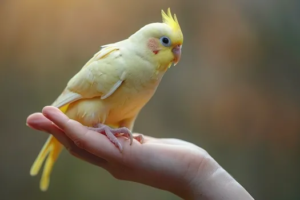
How to Care for a Myna Bird (and Daily Cautions)
A myna is a well-known, beloved bird; once tamed it becomes very clingy, much like a dog. Raise it in a roomy cage with perches and cups, feed chicks myna powder and adults egg-rice with meat and greens, keep the cage clean, and give water baths in summer. Watch temperature swings, prevent colds, and start speech training at 3-4 months.

Key Management for Raising Baby Rabbits
A baby rabbit is usually one from weaning to three months, the hardest age to keep and the time with the highest death rate. Here are the key management tasks to raise survival.