Search Results
481 results for “heat stroke”
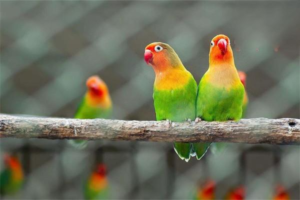
Things New Parrot Owners Should Note!
Parrots are easy—they eat little, need no walks, and chat or sing. More people choose them, but beginners make mistakes from inexperience. Our team shares notes for new owners.

Must-Know Tips for Keeping Parrots in Summer!
Many owners relax management after stopping breeding in summer, but summer needs more attention so parrots thrive later. Our team shares summer management notes.

Stages of Budgerigar Breeding
Budgies mature around six months but breed best after one year; skip summer and plan for 4-5 clutches of 4-6 eggs. Follow pairing, incubation, chick growth, weaning, and gentle taming and talk training.

Guinea Pig Summer Care Tips
Summer heat and insects raise guinea pig illness risk, so clean up waste often, bathe lightly every few days, and keep water fresh - dehydration causes heatstroke. Cool with ventilation and fans rather than AC, and trim long-haired breeds.

Why Is My Cat Drooling So Much?
Cats are tidy and rarely drool like dogs do, so frequent salivating deserves attention. Common causes are heat, stress, bitter food or medicine, and mouth problems, each with its own fix.

Key Things to Watch in Summer Dog Care
In summer keep food fresh (toss leftovers, always have clean water), bathe and trim weekly but not too short, avoid direct AC drafts, deworm and mosquito-proof, and walk at dawn or dusk to prevent heatstroke.

Why Is Your Dog’s Nose Turning from Black to Pink?
A dog's nose usually turns pink from aging or temperature, but it can also signal disease. Causes range from genetics and vitiligo to dermatitis or abrasion. Improve it with vitamins, safe sun exposure, and seaweed powder—and see a vet if white patches or sores appear.

Is My Chinchilla Dead If It Has Gone Stiff?
A chinchilla that suddenly goes stiff and motionless worries many owners, but stiffness is not always death. The common causes are low blood sugar, heatstroke, cold (entering a dormant state), and injury. Most are reversible with warmth, glucose water, cooling, or veterinary care—so check before assuming the worst.

Cornish Rex
The Cornish Rex, English name Cornish Rex, originates from England. Its ancestor is a non-purebred shorthair, dating to 1950, with a childlike, mischievous personality. The breeder mated the first kitten, Kallibunker, with its mother, producing more cats. This is the origin of the Cornish Rex breed.

Persian
The Persian cat, also called Persian, Chinchilla, or Himalayan, with the Latin name Persian, represents nobility in people's minds. In China, most people's first pet cat was a Persian. However, most kept Persians are not purebred but non-purebred bred by merchants to meet the market; purebred Persians cost over a thousand dollars. Originating in Persia (Iran), it was developed in Britain over more than 100 years from Afghan longhair and Angora cats.