Search Results
1413 results for “healthy cat”

Why Your Cat’s Jaw Chatters at the Window
If your cat stares at a bird outside the window and starts a rapid jaw quiver with a soft clicking or chattering sound, that is the famous feline 'chatter.' It is a relic of the hunting sequence: in the wild a cat seizes prey by the neck and trembles its jaws to drive the teeth in quickly, and the sight of a bird or a mock-prey toy makes a house cat replay that instinct mentally. The behavior is normal and healthy — and a reminder that cats stay partly wild, so they need a daily outlet for their hunt.

How Long Between a Cat’s Vaccination and Deworming?
Kittens are due for both vaccines and deworming around two months of age, and doing them together raises the risk of allergy or vaccine failure. The safe rule is to separate the two by at least a week. Vaccines briefly lower the cat's resistance while they build antibodies, and dewormers carry a small toxicity that the body tolerates only when healthy. This guide explains the interval and the practical cautions for both procedures so your cat stays protected without setbacks.

How Old Is Your Cat in Human Years?
The old 'one cat year = seven' rule is wrong; a 1-year-old cat is already like a 24-year-old human, and each year after adds about four, so an 8-year-old is roughly 48. Average lifespan is 10–20 years and hinges on care: indoor cats live far longer (stray Li Hua often under 3), while breeds vary—fold-ears under 10, Exotic ~11, BSH ~12, Persian ~15, ASH/Ragdoll ~15–18, Siamese ~18–20. Estimate age by teeth, eye clarity, muscle, and coat; extend life with a clean home, vaccines, good food, and rest.

Why Isn’t My Ragdoll Cat Gaining Weight?
Ragdoll cats that eat plenty but never seem to gain weight worry many owners, yet the cause is not always disease. Genetics, low activity, or an unbalanced diet may simply mean your cat burns or absorbs fewer calories than expected. Parasites are another common culprit that blocks nutrient absorption. If diet and exercise adjustments bring no improvement, a veterinary check-up can rule out hyperthyroidism, digestive disorders, or liver problems. This article explains the likely causes and the practical steps you can take at home to help your Ragdoll reach a healthy weight.
The Complete Guide to Brushing Your Cat
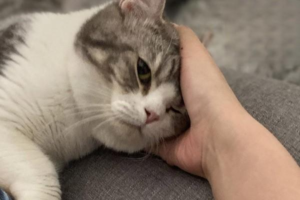
Brushing is essential: it prevents hairballs by removing loose fur, keeps the home cleaner, lets you spot skin problems or parasites early, and strengthens your bond. Pick longer teeth for long-haired cats (rake comb, long-pin slicker) and short, rounded tips for short-haired cats. The seven common comb types each have a job — de-matting, de-shedding, fleas. Brush gently with the coat, about 15 minutes per session, and make it a calm, rewarding experience so your cat learns to enjoy it.

Why Does My Cat Always Lie Down? Understanding Feline Arthritis
If your cat spends most of its time lying down, walks with a limp, or refuses to be touched on the hind legs, it may be suffering from arthritis—a condition that affects up to 90% of cats as they age. Arthritis is the inflammation and degeneration of joint cartilage, most often secondary (degenerative) arthritis, which worsens as cats grow older. Cats are masters at hiding pain, so signs like reluctance to jump, reduced grooming, increased sleeping, and irritability can easily go unnoticed. Causes include aging, genetics, obesity, injury, and acromegaly. Treatment combines veterinarian-supervised medication (NSAIDs such as meloxicam), weight management with omega-3 and glucosamine supplements, and environmental adjustments like steps and soft bedding. Prevention starts with a healthy diet and keeping your cat lean.

What Kind of Water Is Best for Your Cat?
Getting a cat to drink enough water is a daily worry for owners, and the type of water matters too. Cats prefer clean, fresh water and running water; boiled-and-cooled water is the healthiest daily choice, with purified water a fine alternative where tap quality is poor. Tap and mineral water are okay occasionally but, because most cats eat dry food and drink little, their higher mineral load raises the risk of urinary and bladder stones, so they shouldn't be the first choice. Tricks to boost intake include meat broth, a little goat milk or yogurt, and several water stations around the home.
Why Does My Cat Foam at the Mouth After Taking Medicine?
It can be alarming to see your cat drool foamy saliva right after a dose of medication. In most cases this is a normal defensive reaction rather than a medical emergency. Cat medicines are usually bitter and lack the sugar coating found on many human pills, so the unpleasant taste alone can trigger gagging and vomiting. Some drugs are also physically irritating to the stomach lining, especially when given on an empty stomach. Understanding the two main causes—bitterness and gastric irritation—helps you give medicine more comfortably and know when foaming is simply a passing reaction versus a sign you should slow down and check with your veterinarian.

How to Adopt a Healthy Kitten
Adopting should be joyful, but a profit-driven breeding market hides risks. A healthy kitten comes from healthy, well-matched parents raised in clean, nourishing conditions and weaned at the right time. The golden rule: see the parents before adopting—either paid or free—so you can judge their health, diet, and whether the pairing risks congenital disease (fold-to-fold or dwarf-to-ragdoll matches are red flags). Also avoid taking a kitten home before 12 weeks, when key socialization happens.
Key Aspects of Cat Care You Shouldn’t Overlook
Treating a cat like family is natural, but good intentions can backfire—feeding meat too early or the wrong foods causes real problems. This article reviews the essentials of sound cat feeding: not every cat tolerates milk, so offer it cautiously; avoid cold food straight from the fridge; change diets gradually over several days; use freeze-dried treats to tempt a refusing cat without overdoing it; provide complete, balanced nutrition; and keep bowls clean. For kittens, a little softened meat weekly plus warm water on kibble supports healthy growth.