Search Results
1413 results for “healthy cat”
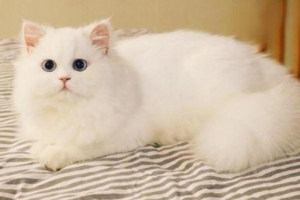
Should You Shave Your Cat’s Fur?
When summer heat arrives or shedding season peaks, many owners wonder whether to shave their cat. In short, healthy cats do not need shaving, and doing it can actually cause harm. Shaving should be reserved for genuine medical needs such as skin disease. This article explains why shaving won't cool your cat and the real risks it brings.
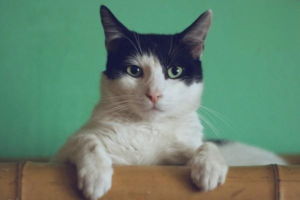
Why Does Your Cat Have Bad Breath?
A cat's normal scent varies (some say bread, popcorn), but a sudden stink—or a 'bio-weapon' yawn—means trouble. Cats groom constantly, so if the mouth smells, the fur smells after licking. Causes: (1) diet—strong seafood or cans cause brief odor; (2) plaque and tartar from uncleaned saliva and food debris; (3) gingivitis/stomatitis from oral bacteria (red, swollen molars); (4) poor digestion—eating too fast/full with weak enzymes and flora; (5) breath with a urine smell can signal kidney disease. Fixes: switch to healthier food, treat oral inflammation with vet-prescribed antibiotics, brush regularly (make it a habit), use probiotics for digestion, and get periodic dental checks.

Cat Vaccinations
Cats routinely get the FVRCP (feline distemper) combo plus a rabies shot. FVRCP covers three common, high-mortality, hard-to-treat viruses: panleukopenia, rhinotracheitis (herpes), and coronavirus (more mouth signs than herpes). Rabies is for prevention; indoor-only cats rarely need it in China, but worried owners can give it once adult. Schedule: healthy kittens start at 8 weeks, usually three shots 4 weeks apart; adults get two FVRCP shots 3–4 weeks apart; after that, an antibody test every 3 years can spare unnecessary shots. Notes: a cat on ringworm medication is weak—wait; keep the same brand for the first series, different brands OK for boosters; inactivated vaccines are fine in pregnancy, modified-live are not; confirm immunity with a titer test.
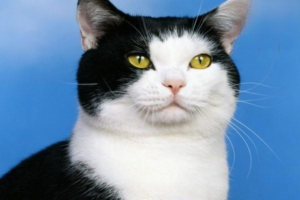
What to Know Before Cat Spay/Neuter Surgery
Neutering cuts disease risk (tumors, ovarian cysts), stops heat stress and roaming, and curbs spraying. In China, do it after sexual maturity—about 6 months and 6 lb. Before surgery: a full pre-anesthetic exam (health, anesthesia allergy) at a reputable clinic; complete vaccines so antibodies protect the healing wound; fast 8 hours and withhold water 4 hours (aspiration causes fatal pneumonia); pack a sturdy large cat carrier, pee pads, eye lube, and an E-collar. Females take ~40 min, males ~10–20; go home after recovery. After: keep clean, feed soft nutritious food, control portions (weight gain is common), and E-collar 7–10 days. Cost is usually under 1,000 yuan—watch for overcharging.

How to Keep Your Cat’s Coat Beautiful
A dull, dry, matted coat comes from genetics, aging, obesity (a fat cat can't groom its blind spots), and missing nutrients like lecithin. Care: feed quality food with coat-supporting lecithin, fish oil, and zinc; bathe only every 3–4 months with cat-specific shampoo at 36–38°C, using a low-noise dryer; brush often with the right comb; never shave for 'fun' or 'cooling' (cats have no sweat glands and may get depressed); and give sunlight for germ control. Keep the living space clean to avoid skin disease.
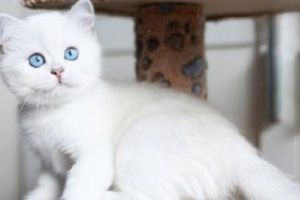
Why Is Your Cat Shedding?
Shedding is often normal: kittens lose soft baby fur around 4–8 months, and all cats do a seasonal coat change in spring (March–May) and autumn (September–November). But it can also signal trouble—external parasites (mange mites, fleas) cause redness, itching and hair loss; poor nutrition or too much salt weakens the coat. Rule out illness, then manage loose hair with a vacuum and a de-shedding tool. Never over-salt the food, and keep protein and vitamins adequate.

How to Help a Fat Cat Lose Weight
Obesity invites diabetes, hypertension, heart disease, and fatty liver. The key is diet: cats run on protein and fat, not carbs, and high carbs block protein absorption and shrink muscle (sarcopenia), which slows metabolism and worsens weight gain. Skip 'light' kibble that cuts weight by burning muscle; feed high-protein (45%+), low-carb wet food instead. Split meals into set mealtimes, calculate intake to 60–80% of resting needs for very fat cats, and keep them active.

Recipe: How to Make Kelp Powder for Cat Food
Kelp powder is a simple, mineral-rich topper for homemade cat food, yet many owners aren't sure how to make it. Dried kelp carries iodine and more than sixty trace minerals plus 21 amino acids, and as a 'sea vegetable' it supports healthy metabolism — something heavily processed pet foods often lack in a usable form. The method takes under five minutes: tear dried kelp, grind it fine, and feed about 1 g a day. Because the taste is mild, mix it into the cat's meal rather than serving it alone.

How to Get a Cat
You can rescue a stray, adopt, or buy. A stray may carry disease, so vet-check and deworm it first and be ready for cost and commitment—or find a vetted adopter if you cannot keep it. Free adoptions are mostly Chinese Li Hua from people who gave up; 'free' is rarely free once medical checks are counted, and strict adoption contracts can be harsh. Buying is often the cheapest path to a known, healthy cat. Pick a pet-grade, healthy kitten ~3 months old, choose male or female by temperament, and always meet the cat in person at a reputable cattery or shop.
Recipe: Raw Chicken Cat Food (with Bone Meat)
Raw chicken cat food is the most accepted homemade meal — even cats that turn up their nose at beef, lamb, or rabbit will eat chicken, and it is gentle on the wallet. The base is chicken thigh and breast (about 80%), with heart, liver, and gizzard for organs, then a short list of supplements: taurine, calcium, a multivitamin, a little vegetable-and-fruit puree, alfalfa and kelp powder, probiotics, and salmon oil. Dice the meat, stir everything together, portion one meal and freeze the rest. It takes under ten minutes.