Search Results
1413 results for “healthy cat”

Why Human Food Is Bad for Cats and Dogs
Many foods that are fine for people can harm pets. Even a small amount of some items causes poisoning, and the seasonings and additives in human food put real strain on a cat or dog's kidneys. Over time this undermines health. Feeding people food also unbalances nutrition, adds excess salt and calories, and can make a pet refuse its own balanced diet. Cats in particular have a unique metabolism and need species-specific nutrition.

Signs Your Cat Is Getting Older
Cats typically live around 15 years and are considered seniors at roughly seven or eight. As they age you may notice lower energy and longer sleep, a stronger dislike of cold, and a poorer appetite. Dental problems such as loose or missing teeth make eating harder, while slower movement and delayed reactions show declining mobility. Whitening fur around the muzzle and cloudy, dull eyes are also common. Recognizing these changes early lets you adjust daily care so your cat stays comfortable and healthy through its golden years.
How do I remove my cat’s tear stains?
Removing tear stains means daily cleaning, diet tweaks, and — above all — finding and treating the root cause: eye inflammation, blocked tear ducts, ingrown lashes, irritants, ear mites or poor diet. Wipe the eyes daily with a clean cloth or cotton ball dampened with warm water.

What Can Cats Eat to Clean Their Teeth?
The real question is what reduces food left on the teeth. Crunchy quality kibble sticks less than wet food and scrapes the surface as a cat chews; dental chews, jerky, chew toys, and VOHC-certified treats add friction; pet dental water or powder with lysozyme slows plaque chemically. But the most reliable step is still brushing a few times a week. Left alone, plaque becomes tartar, gingivitis, and even organ harm.
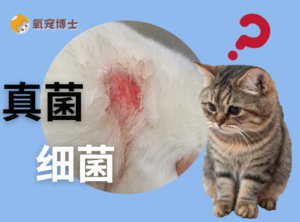
Cat Skin Redness and Hair Loss: Fungal or Bacterial?
A cat's skin normally carries small amounts of bacteria and fungi that only cause trouble when the skin barrier breaks. Fungal infection, usually Microsporum canis, shows as ring-shaped hair loss with a red raised edge and dry scales, and spreads slowly. Bacterial infection is usually secondary—after a scratch, bite, mite, or allergy—and appears as pustules and fast-growing ulcers. Telling them apart guides the right treatment.

Is It Normal for Cat Poop to Come in Segments?
Segmented-looking cat poop isn't automatically a problem. If the stool is basically a continuous log with a few cracks and your cat acts normal, it's usually just how the colon forms stool. But hard, stone-like lumps, blood or mucus, straining, or no bowel movement signal early constipation. Boosting water, adding wet food, and daily brushing for hairballs are the first steps; see a vet if it doesn't improve.

How Often Should You Rotate Your Cat’s Food?
Healthy adult cats do well rotating their main food every 4–6 months, with toppers or treats of different flavors every 1–2 months for variety. Kittens in their first year, seniors over seven, and cats with sensitive stomachs or illness should change far less often. The goal is to spread risk and avoid long-term gaps or buildup of specific nutrients—done with a slow 7-day transition.

Cat CoQ10 Buyer’s Guide: Reading Labels and Avoiding the Pitfalls
Roughly 15% of cats develop some form of heart disease, with seniors, flat-faced breeds, Ragdolls, and overweight or inactive cats at higher risk. CoQ10 supports cellular energy in heart muscle, but natural production drops as cats age. When choosing a supplement, the smart move is to read the label and judge the formula—not the marketing. This guide breaks down what to look for and the common traps to avoid.
How many days after heat ends can a cat be spayed?
About 7 days after heat ends, when reproductive organs normalize. Fast 8h before surgery; keep the cone on until healed.

CoQ10 for Senior Cats with Heart Concerns: A Buying Checklist
The heart is the body's highest-energy organ and holds a large share of a cat's CoQ10, so as production falls with age or hereditary risk, supplementation can support heart-muscle energy and act as an antioxidant. This checklist explains why senior and high-risk cats are the ones most likely to benefit, the five points to verify before buying, and the safety limits every owner should respect.