Search Results
1413 results for “healthy cat”
Is It Normal for a Cat’s Ears to Feel Hot?
A cat's normal body temperature runs a little higher than a human's, so ears that feel warm to the touch are usually normal. But ears hotter than usual can signal a problem—stress or anxiety, a respiratory infection, ear inflammation, or simply a warm room. To decide whether it's normal, look at the whole picture: lethargy, reduced activity, poor appetite, or red, smelly, discharging ears all call for a vet. A quick nose check and a thermometer (normal 38–39.5°C; above 40°C needs prompt care) will confirm a fever.
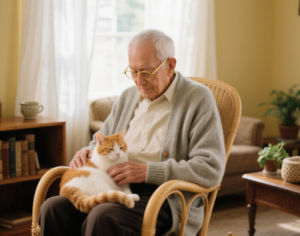
Why Are Cats Raised by Elderly Owners So Calm and Obedient?
Cats kept by elderly owners often seem gentler and more obedient than the lively pets raised by younger people, and the reason is rooted in pet behavior science. Cats love calm, predictable routines, and an older person's slow, regular daily rhythm gives them a sense of safety that lowers their guard. Seniors also provide the 'effective companionship' cats value most—short, low-intensity interactions like petting and soft talk scattered through the day—rather than infrequent marathon play sessions. On top of that, elderly owners tend to be gentle yet consistent: they neither shout nor overindulge, setting clear rules while offering unconditional acceptance. This calm, secure environment lets a cat relax and show its sweetest side.
Can Cats Eat Seafood?
Cats can eat seafood, but only the right kinds and in strictly controlled amounts—otherwise you risk digestive upset or even poisoning. Not every seafood is safe: squid, octopus, shellfish, and sea crabs are best avoided. When feeding shrimp, remove the head, tail, shell, and vein first. Freshwater fish like salmon and cod are good choices, rich in quality protein and amino acids. Some cats are allergic to seafood, and heavy metals such as selenium and mercury in certain types can harm the nerves and liver, while shellfish may carry parasites or cause choking and blockage. Always watch the portion size, because a cat's digestion is delicate and any food in excess can backfire.
Is feline panleukopenia contagious between cats?
Yes - it spreads via feces, vomit and direct contact. Keep unvaccinated or sick cats away, and disinfect your hands after going out before touching your cat.
How many kittens does a cat usually have in her first litter?
A first litter typically ranges from 1 to 8 kittens, most often 3 to 6. Litter size depends on the mother's build and the pair's fertility.
Cat ‘Garlic-Clove’ Coat vs. Dirty Fur: How to Tell Them Apart
A 'garlic-clove coat' is a cat-lover's term for fur that parts into neat, clove-like segments — a sign of dense, healthy undercoat on a slightly plump cat, borrowed from the fur industry's 'garlic-clove fur.' It feels smooth and springs apart with a light rub, usually along the neck, back, and sides. Genuinely dirty or oily fur, by contrast, clumps in greasy, sticky strands near the paws, belly, or tail tip. A garlic-clove coat signals good nutrition (but possibly excess weight), while real dirt needs a bath. Keep the coat lush with high-protein food, B vitamins, fish oil, and regular brushing.

How to Tell If Your Cat Is Full?
Many cat owners worry their pet is still hungry and keep topping up the bowl, but overfeeding causes indigestion and obesity. To judge whether a cat has eaten enough, watch its post-meal behavior: full cats groom themselves, leave the feeding area, and settle in a sunny, comfortable spot to rest, while hungry cats linger near the food. In multi-cat homes, satisfied cats may even groom each other. Free-fed cats show weaker cues because constant access lowers food excitement. Note that two behaviors are NOT signs of hunger: guarding the food storage (common in newly arrived, unsettled cats) and showing interest in your own meal (an opportunistic scavenging instinct). Control daily portions by age, health, and appetite to keep your cat at a healthy weight.

When Does a Pregnant Cat First Produce Milk?
A cat's pregnancy lasts about 60 days, and she usually starts producing milk, the first colostrum, only one to two days before delivery; there is no milk in early or mid pregnancy. The creamy-yellow colostrum is licked off immediately, so owners rarely notice it, but its appearance means birth is near and a birthing area should be ready. The nursing period runs about six weeks, after which kittens are weaned.

What Kinds of Cats Are the Most Affectionate
Cats have a reputation for being aloof, so when one chooses to cuddle and beg for attention it feels like a real win. Affection shows up as following you room to room, jumping on your laptop, sleeping in your bed, sitting on your lap, meowing or pawing for notice, and rubbing its face on you. Male cats tend to be cuddlier than females because they act on instinct and, after neutering, pour that need for contact onto their owner. Breeds like American Shorthair, Ragdoll, Maine Coon, and Siamese lean affectionate. Build trust by meeting the cat's needs and respecting its space, but beware over-dependence: too much clinginess can become separation anxiety, a real stress disorder worth managing.
What to Do When Your Cat Has a Fever
Cats get fevers just like people, but a cat's fever is rarely simple - it can signal parasites, stress, bacterial infection, panleukopenia (feline distemper), feline herpesvirus, or various inflammations. A fever is not a small matter: left alone it can damage organs and even turn deadly. Telltale signs include hot ears and tail tip, a dry nose, sweaty paw pads, and a cat that suddenly prefers cool floors and dark corners while eating less and looking limp. Normal cat temperature runs 38-39C (about 39.3C in kittens); above 39.5C is a fever and above 40C is high. For a mild fever or when a clinic is out of reach, cool the paws and belly with alcohol and offer water, but never give human fever medicine, which can be fatal - see a vet for high fevers.