Search Results
1413 results for “healthy cat”

Key Points for Caring for a Cat in Summer
Summer heat raises the risk of parasites and heatstroke, so cat care in the warm months means three jobs: cleanliness, cooling, and diet. Run the AC without sharp temperature swings and don't shave the coat—thin it slightly instead, since bare skin burns and the cat sheds heat through paw pads. Feed little and often with light food, refresh water and food frequently so nothing spoils, and never offer cold food that upsets the stomach. Clean the nest, litter box, and belongings regularly and keep up flea, tick, and worm control. These habits keep a cat healthy through summer.

Does a Folded Tail Affect a Cat Much?
A folded (kinked) tail doesn't stop a cat from living normally, but it signals a genetic weakness—common in Siamese cats—that can mean a weaker constitution, poorer balance, and a shorter life. With careful care these cats live well and stay healthy, but because the trait is inherited and can pass on a frailer build, breeding folded-tail cats is generally discouraged. The tail is a balance organ, so affected cats are less steady jumpers. Tell a folded tail apart from a short tail: Japanese, American, and British Shorthairs are short-tailed by breed, not defect, and can breed normally. Support a folded-tail cat with good nutrition and warmth.

When Do Ragdoll Cats Develop Cheek Jowls?
Ragdoll cats usually start developing cheek jowls at 6–8 months, though genetics set the exact timing and some begin earlier or later. Only males develop true jowls; it depends on inherited genes from the parents. Diet, exercise, and neutering also shape the result. To support healthy jowl development, feed plenty of protein, vitamins, and minerals, offer chewy or raw-meaty-bone snacks to build jaw muscles, keep the cat active, and time neutering until after the face fills out. Remember, not every Ragdoll will jowl—genes decide. If you have concerns, consult a veterinarian.
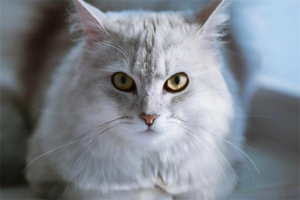
How to Care for Your Cat in Summer
Cats have thick coats and dislike heat, so summer care centers on safe cooling to prevent heatstroke. Move the bed to a cool indoor spot, offer a cooling mat, trim only the paw fur (never shave—UV then damages skin), and keep air flowing with a fan or AC set no lower than comfortable, avoiding big temperature swings. Cats shed heat through their paw pads, so shorter paw hair helps. Hydration matters because fast summer metabolism raises dehydration risk—encourage drinking. Feed fresh food in small portions and clear leftovers fast, since wet food spoils quickly in the heat. These steps keep a cat comfortable through summer.

Can an Unvaccinated Cat Pass Disease to People?
The 'FVRCP' (cat triple) is a common name, not a product - it bundles herpes (cat flu), calicivirus and panleukopenia into one shot; each dose contains all three to build antibodies through repeated shots. None of those three pass to humans; the famous human fatal cat-borne disease is rabies, given separately at the end. Kittens start at 8 weeks, then every 21 days for three shots; indoors-only cats may boost every three years, high-risk ones yearly; rescued strays get an antibody test first. Do not vaccinate under 8 weeks, pregnant cats (use killed only), with worming that confuses gut reactions, or when unwell - and always keep one brand and skip baths.

What Happens When Your Cat Gets Vaccinated
Kittens get maternal antibodies from milk, but those fade after weaning, so vaccines must stimulate the immune system to make its own. Without enough antibodies a cat catches viruses easily, so shots preventing panleukopenia, cat flu and calicivirus are essential. Start at two months if healthy; a newly adopted cat waits a week at home first. The first series is three shots about 28 days apart, plus rabies at three months, then yearly boosters. Before the shot, a health check and no baths; after, observe 15-20 minutes for allergic reaction, and a lump at the site is usually slow-absorbed adjuvant - warm compress helps.

Common Cat Eyelid Diseases and How They Are Treated
Cats are relatively less prone to eyelid problems than some other pets, but when an eyelid condition does appear it can affect both eye health and overall comfort. The eyelid is built from four layers (conjunctiva, tarsus, muscle, and skin) and carries the glands that keep the tear film healthy. Knowing the common disorders and how they are managed helps you spot trouble early.

Why Cats Yowl in Spring (Heat) and What to Do
Spring brings the feline mating season and the sleepless yowling that comes with it. For cats not meant for breeding, spaying or neutering is the permanent fix - it ends the distress and lowers reproductive-disease risk for both sexes. If breeding is planned, wait until the female is 10-12 months and the male over a year, and isolate them from the opposite sex before then. Distract with play, gentle music or favorite food, and never use the dangerous 'cotton-swab method' or unproven 'heat-stopping powder'. This article covers heat timing, signs and precautions.

Why Your Spayed Cat Still Yowls
Spaying does not guarantee a quiet cat. Many owners are surprised when a neutered female still yowls at night or demands attention for no obvious reason. The cause is rarely the surgery itself and more often a mix of breed temperament, habit, unmet needs, or an underlying health issue such as an overactive thyroid. Here is how to read the behavior and what to do about it.

What to Do When Your Cat’s Temperature Drops to 37°C
A normal cat temperature sits between 38.5°C and 39.5°C, so a reading of 37°C is below the healthy range and worth taking seriously. The right response depends entirely on the cause. Sometimes it signals a weak or sick cat that needs warmth and a vet; other times it is a normal, expected dip just before labor. Here is how to tell the difference.