Search Results
164 results for “head injury”

Summer Dog-Walking Survival Guide (With Heatstroke First Aid)
Dogs have almost no sweat glands and cool mainly by panting, so above 28 C their cooling efficiency drops below a fifth of ours, and asphalt can hit 57 C while a dog's belly, only 20-30 cm off the ground, breathes air 5-8 C hotter. That makes summer walks risky. Walk before 7 a.m. or after 8 p.m. in shaded parks or grass, carry a folding bottle and offer water every 15 minutes, and cap time by breed, short-nosed dogs under 15 minutes in shade, sport breeds rest 5 minutes per 10 of exercise, small dogs under 10 minutes several times a day. Heatstroke can reach organ failure in 30 minutes; early signs are heavy panting, dark purple tongue, thick drool, then staggering and vomiting above 40 C, and seizures or coma with up to 80% death if untreated. First aid: move to shade, wipe groin/armpits/neck with room-temp water, give small sips if awake, keep head low, and rush to a vet.

Can You Brush Your Dog’s Teeth With Human Toothpaste?
Never brush a dog's teeth with human toothpaste. Many human formulas contain ingredients toxic to dogs, especially fluoride and xylitol. Dogs swallow the foam instead of rinsing, so toxins build up: fluoride can cause vomiting, diarrhea, irregular heartbeat, and over time kidney and nerve damage, while xylitol is far worse, just 0.1 g per kg of body weight triggers severe low blood sugar and 0.5 g/kg can cause acute liver failure. Mint flavors also make dogs resist brushing. Use a pet toothpaste (look for VOHC approval), brush at least three times a week, and see a vet for red, bleeding gums or worsening breath, which may mean periodontitis.
Best Parasite Treatments for Cat Ear Mites
Cat ear mites are a common parasite that causes intense itching and dark, waxy debris; left untreated they can lead to secondary bacterial infection, otitis media or interna, and hearing loss, while constant head-shaking and scratching risk ear hematomas. The key treatment is a parasiticide—but not every product kills ear mites, so checking the label’s spectrum matters. In general, spot-ons containing imidacloprid-moxidectin or selamectin work well at home, also covering scabies, demodex, fleas, lice, roundworms, hookworms, and preventing heartworm, with a gentle, stable profile. A typical plan is one dose every 21–28 days for three rounds to stop recurrence. Early on, a cleaner or miticide with compound nystatin helps soothe and disinfect the ear.
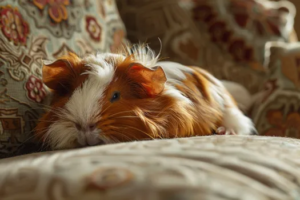
What to Know When Your Hamster Is Giving Birth
Breeding hamsters is easy, but the birth itself needs care. Keep the room at 20 to 25°C with 40 to 60 percent humidity; extremes or big temperature swings can stall labor or kill pups. Use a roomy, well-ventilated breeding box with platforms to climb and plenty of bedding, and because hamsters are solitary, move the male out right after pairing and pregnancy to prevent fights, injury, and miscarriage. The mother needs balanced nutrition, protein, fat, minerals, and vitamins, plus breeding feed or extras like mealworms, dried fruit, vegetables, and nuts, with fresh water always available. Watch the mother for poor appetite or weight loss and the pups for slow growth. Seek a vet for dystocia (water broken but no delivery, or a pup stuck partly out), nursing trouble, or postpartum infection shown by fever, diarrhea, or vomiting. A controlled environment, good food, and close observation keep the birth safe.
100 Essential Tips Every New Cat Owner Should Know
Bringing home a first kitten is exciting but daunting, and poor care can hurt both of you. These 100 essentials cover diet (life-stage food, toxic grapes/chocolate/onion/garlic, no bones or raw meat, fresh water), daily care (brushing, nail and ear cleaning, litter hygiene, n+1 boxes), health (vaccines at 8–12 weeks, deworming, normal temperature 38–39.2°C, spay/neuter, no human meds), behavior (slow blinks, tail talk, no punishment), and home safety (screens, hiding wires, toxic plants, no smoke). Read them once and you'll share a calmer, healthier life with your cat.

How to Treat a Neck Sprain in Dogs
If your dog unfortunately suffers a neck sprain, get it to a veterinarian or emergency pet clinic right away. The vet will choose a treatment based on how severe the injury is, commonly using medication, physical therapy, or surgery. After treatment, the dog usually needs a rest period at home to recover fully, and you should follow the vet's advice for care. Neck sprains can happen from jumps, falls, sudden turns, or pulling too hard on a leash and tight collar. This article explains why sprains occur, the immediate steps to take, and the daily habits that help prevent them.

How to Prevent Seizures After a Puppy Recovers from Distemper
Seizures can appear even after a distemper test turns negative because the virus is neurotropic—central-nervous-system damage and lingering inflammation may already be set. Prevention rests on three pillars: ease neuroinflammation, protect and repair nerve tissue, and avoid triggers. Nerve-support supplements (B vitamins, fish oil, citicoline, mecobalamin) help, and high-risk puppies may need low-dose long-term anti-seizure medication under a vet's supervision. Keep the environment calm and warm, skip baths during recovery, and feed highly digestible food with vitamin E, selenium, and lecithin. Learn the early warnings—repeated nodding, limb tremors, circling—so you can act before a full seizure.

Why Did My Rabbit’s Ears Suddenly Flop?
A rabbit suddenly developing 'airplane ears' can come from mixed breeding, disease, or injury. If the ears just flop with no discharge, odor, or trauma, it is likely genetics, since a non-pure upright bloodline droops over time; this is harmless. But if flopping comes with more ear wax, a foul smell, or head shaking, ear mites are likely; isolate the rabbit, disinfect the space, and treat. Rough handling that pulls the ears can also cause it, so learn to hold a rabbit correctly to avoid injury.

Schooling Bannerfish
The Schooling Bannerfish (Heniochus diphreutes), also called the White Pennant, is a high-value marine ornament from the Indo-Pacific, living on outer reef slopes at 15-210 m. A carnivorous plankton-feeder that schools in groups, it reaches 21 cm.

Burmese Python
A giant constrictor that can exceed 5 m - impressive but a serious, space- and budget-intensive commitment, and a CITES-listed species.