Search Results
164 results for “head injury”
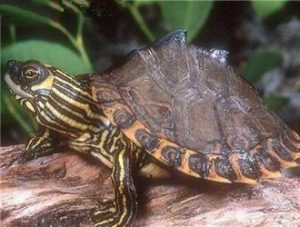
Northern Black-humped Map Turtle
The Northern Black-humped Map Turtle (Graptemys nigrinoda nigrinoda) is a relatively common map turtle seen in markets worldwide. Affordable, easy to keep, and odd-looking, it is popular — the black hump-like knobs on the front vertebral scutes are its unmistakable mark.
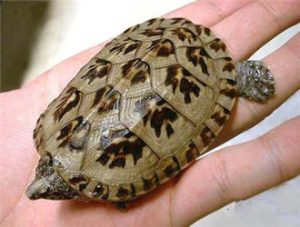
Mexican Giant Musk Turtle
The Mexican Giant Musk Turtle (Staurotypus triporcatus), also called the giant musk or 'Mexican giant egg' turtle, is a highly interactive, intelligent turtle that adapts well to captivity. Not hard to keep, but it is large, aggressive, and relatively expensive.

Yellow-bellied Slider
The Yellow-bellied Slider (Trachemys scripta scripta) is a common, hardy and inexpensive North American slider with a yellow belly and yellow 'ear' patches. Easy to keep but a messy, fast-eating carnivore-leaning omnivore.

Narrow-bridged Musk Turtle
The Narrow-bridged Musk Turtle (Claudius angustatus), nicknamed the king of the mud-and-musk turtles, is an expensive, fierce-tempered and highly entertaining aquatic turtle. It tolerates deep water but can still drown.

Chinese False-eyed Turtle
The Chinese False-eyed Turtle (Mauremys pallidiceps) is a turtle endemic to China that favors clear, slow-moving streams with sandy bottoms and is sometimes found in farmland. Shy and largely carnivorous in captivity, it remains uncommon and is best kept with attention to water quality and a varied diet.

Gopher Tortoise
The Gopher Tortoise (Gopherus polyphemus) is a burrowing land turtle of the southeastern United States, strictly herbivorous and protected by law due to its small wild population. Famous for digging deep burrows (11–15 m), it needs a dry, sandy outdoor enclosure with plenty of sunny space.

Stripe-necked Leaf Turtle
The Stripe-necked Leaf Turtle (Cyclemys tcheponensis) has a broad distribution and healthy wild populations, and even wild-caught individuals adapt well to human care. A semi-aquatic species, it favors shallow water adjoining land; adults prefer fruit while juveniles lean toward meat.

Squamous Cell Carcinoma in Dogs and Cats
Squamous cell carcinoma is a skin tumor of the epidermal layer linked to long-term sun exposure and other skin irritation. It is the second most common skin tumor in cats and favors the head, ears, lips, and nose. Wide surgical removal is the main treatment, though it often recurs.

Torticollis in Dogs and Cats: Symptoms, Treatment, and Prevention
Torticollis is a head tilt or twist from neck-muscle spasm or paralysis, cervical rheumatism, vertebral dislocation or fracture, neuritis, or ligament injury - often after a fall, blow, or tight collar. Ear infection can also cause it. Treatment targets the underlying cause, with rest, pain relief, and, for fractures, cervical stabilization.

Hip Dysplasia in Dogs and Cats: Symptoms, Treatment, and Prevention
Hip dysplasia is a hereditary developmental disorder of the hip joint influenced by genetics and environment, common in large breeds such as shepherds and setters. Progressive laxity and deformity cause lameness, reluctance to rise, and a characteristic 'bunny-hopping' gait; management is conservative with weight control and pain relief, and surgery is considered case by case.