Search Results
44 results for “hamster cooling”

Pudding Hamster Behavior and How to Care for Them
Pudding hamsters are gentle but timid — the easiest breed to bully — and are food-loving, sleepy, and low-energy, which is why most stay plump. Caring for them means avoiding human food, direct sun, and water baths, keeping them solo or same-sex, and following rules on diet, bedding, and clean drinking water.
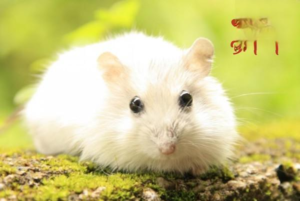
What to Do When a Hamster Is ‘Overheated’, and How to Cool It
A hamster gets 'overheated' (shanghuo) mainly from too many dry, rich treats — mealworms and sunflower seeds — and too little water. Cool it by cutting mealworms to 3–4 a week, pausing seeds, offering more cooled boiled water, and adding light chrysanthemum tea, cooked mung beans, or washed fresh produce. Prevention is sensible feeding and constant clean water.

Bedding Options for Hamsters
Common hamster beddings include wood shavings, paper cotton, and cat litter, and whichever you choose must be changed often. For summer, low-heat options like cooling sand, tofu litter, and wood pellets keep hamsters from overheating.

How Much Is a Shih Hsiung Bear Hamster, and How to Keep One?
A Shih Hsiung Bear is a long-haired Syrian hamster, usually 40–80 yuan and up to ~300 for a pure long-haired one. They are gentle, bold, and love interaction, but clever escape artists, so use a sturdy wired cage. Bed with corn cob/ryegrass (not wood shavings), give a corner toilet, and feed a quality mix plus veggies and protein.

How to Keep a Hamster Cage from Smelling
Hamster odor comes from poor cleaning and messy habits. Control it with a pellet-and-water diet (limit watery fruit and protein), absorbent bedding changed every 3–4 days in summer, regular sand baths, and frequent cage disinfection in a ventilated spot.

Things to Know When Keeping a Shih Tzu Bear Hamster
The Shih Tzu bear hamster (a long-haired Syrian) is easy to keep but needs care: do not spoil its picky side, feed set amounts in small frequent meals with cooled boiled water, and watch its food hoarding. Use a large cage, secure the door against escapes, choose cat-litter or tissue bedding (not wood shavings), fit a big wheel, give proper chew sticks, never place it up high, and keep the temperature steady—big swings can be fatal, especially for the young.
What environment does a hamster need?
Hamsters like dim, cool places at 20 to 28°C. As nocturnal animals, bright light harms their vision, and they fear heat and may die of heatstroke. They are solitary and dislike noise, so daytime noise disrupts their routine.
What should I watch for when keeping a hamster?
Do not house hamsters together (they fight), adjust warmth or cooling by weather, feed small frequent meals to avoid spoiled hoarded food, and keep the cage clean to prevent wet tail.
Should hamsters have wood shavings in summer?
Hamsters do not need wood shavings in summer, since shavings are for warmth and can trap heat and cause heatstroke. Use cooler bedding like cat litter, wood pellets or corncob, and add a cooling plate to lie on. Because bedding gets damp faster in summer, change it and clean the cage regularly.
Is a hamster a rat/mouse?
No. Hamsters belong to the subfamily Cricetinae and rats to Murinae — similar looks but quite different. Hamsters are gentle, fluffy, small and friendly, making good pets; they rarely bite and are not aggressive. Rats are more aggressive and usually bite. Keep hamsters caged to prevent escapes, and shield them from heat in summer to avoid heatstroke.