Search Results
23 results for “hamster bedding”
How to Layer Hamster Bedding
Hamster bedding should be spread evenly and changed on a schedule that fits the material. Wood shavings are the most common and budget-friendly choice, but they absorb poorly and trap odor, so in summer they need frequent changes. Wood pellets are low-dust and long-lasting, good for summer, while corncob bedding must be sun-sterilized first. You can also mix tofu or bentonite litter into the blend, and always layer urine sand beneath a topping of shavings rather than mixing the two. Tidy, ordered bedding makes soiled spots easy to spot and clean.
What Bedding Is Best for Hamsters in Summer?
Summer is hard on small pets, so choose airy, cool bedding: dust-free wood shavings, grass mats, cat litter, corn cob, or paper pellets. Grass mats are often best—eco-friendly, absorbent, breathable, and even edible for extra food and fun. Different beddings have different pros and cons, so pick what fits your setup, but always replace and clean regularly to stay dry and hygienic. Check the source is safe and contaminant-free, and keep the depth moderate so the cage isn't overcrowded. Good bedding matters because summer raises the risk of wet-tail and respiratory disease.
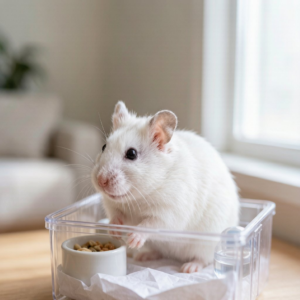
White Bear Hamster: Traits and Care
The White Bear hamster is a type of Teddy Bear hamster with snow-white fur and black or red eyes. Many in the "line" group have a short temper, so they are not ideal for first-time owners. Patience and gentle hand-feeding help them bond. They are nocturnal, timid, and prefer hiding, and do best around 27 C. Because they gain weight easily, a balanced diet keeps obesity and its related diseases at bay.
Can Hamsters Carry Parasites on Their Bodies?
Hamsters can indeed pick up parasites such as lice, ticks, and fleas, though infection is not common and depends heavily on their living environment and overall health. These parasites can spread through food, water, or bedding and may cause loss of appetite, weight loss, a dull coat, and itching. Because parasites can also pass to owners, prevention matters. Keep the cage clean and dry, disinfect regularly, feed fresh food and water, schedule vet checkups and deworming, and wash your hands before handling. If an infection occurs, consult a vet promptly, follow the prescribed treatment, disinfect the enclosure, and treat all hamsters in the home to stop the spread.
How to Treat Hair Loss Behind a Hamster’s Ears
Hair loss behind a hamster's ears can come from allergies, bacterial infection, or parasites. Trim the fur around the spot, rinse it with saline, pat dry, and apply a small-pet skin cream or antibiotic ointment, watching for 3 to 5 days. If it does not improve, see a vet. Keep the cage clean and disinfect it often, and add vitamins and protein to aid recovery.

Common Illnesses in Golden Hamsters
Golden hamsters commonly face skin allergies, colds, diarrhea, constipation, and eye trouble such as conjunctivitis, mostly linked to diet and environment. To lower the risk, manage food and housing carefully, keep nutrition complete and safe, and maintain a clean, dry habitat.

Preparing for Hamster Breeding
Hamsters breed fast, reaching sexual maturity at 2-3 months with pregnancies of 15-22 days and 5-8 pups typical. To breed successfully at home, start with healthy animals and a safe, warm, humid, well-ventilated nest box placed in a quiet, dim spot, and build them up with good nutrition and a supplement a week before pairing. Once paired, separate the male immediately since the female will not mate again but the male stays ready. Keep the mother calm and well-fed, and after birth avoid disturbing the nest, keep pups warm, restore the mother's strength, and split the young into their own cages at one month.

What to Do When Your Hamster Has Skin Disease
Hamsters can develop several skin problems, each with its own signs: mange mites cause hair loss, itching, redness, and ulcers; fleas, ticks, or larvae bring itching and wounds; ringworm shows as red, scaly, circular patches; bacteria cause inflammation, ulcers, and swelling; and allergies appear as red, itchy, inflamed skin. Any skin issue warrants a veterinary diagnosis and a targeted treatment plan. Keeping the cage clean and dry, offering regular sand baths, and feeding a varied, nutritious diet all help prevent problems and support the immune system.

When Should You Wean Baby Hamsters?
Hamsters usually begin weaning at about 3 to 4 weeks, though the best timing varies with the individual. You can tell they are ready when they start eating solid food on their own, leave the nest more often, and the mother begins to refuse nursing. After weaning, feed a high-quality young-hamster mix with hay, oats, or millet as supplements, plus small amounts of chopped vegetables and fruit and constant fresh water. Separate the pups into their own cages, feed little and often, keep the cage clean, and maintain a warm, safe environment.
What to Know When Your Hamster Is Giving Birth
Breeding hamsters is easy, but the birth itself needs care. Keep the room at 20 to 25°C with 40 to 60 percent humidity; extremes or big temperature swings can stall labor or kill pups. Use a roomy, well-ventilated breeding box with platforms to climb and plenty of bedding, and because hamsters are solitary, move the male out right after pairing and pregnancy to prevent fights, injury, and miscarriage. The mother needs balanced nutrition, protein, fat, minerals, and vitamins, plus breeding feed or extras like mealworms, dried fruit, vegetables, and nuts, with fresh water always available. Watch the mother for poor appetite or weight loss and the pups for slow growth. Seek a vet for dystocia (water broken but no delivery, or a pup stuck partly out), nursing trouble, or postpartum infection shown by fever, diarrhea, or vomiting. A controlled environment, good food, and close observation keep the birth safe.