Search Results
174 results for “hairball disease”
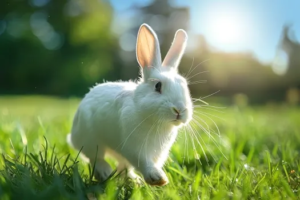
Rabbit Hairball Disease: Causes and Treatment
Hairball disease, common in long-haired rabbits, comes from swallowing too much fur and blocks the gut with constipation, bloating, and sometimes death. Causes range from cramped cages and poor diet to vitamin or mineral gaps and skin disease. Prevent it with full-ratio feed, isolation of fur-eaters, and regular grooming; treat with vegetable oil and enzyme tablets to pass the mass.
What Is Inflammatory Bowel Disease in Cats?
Feline IBD is a chronic gut disease where inflammatory cells thicken the intestinal wall and block nutrient uptake, showing as persistent vomiting and diarrhea that won't resolve. Food allergy is the top trigger, with bacteria, parasites, and stress as contributors — so pinpoint and drop the offending food.

Can Hamsters Get Hairballs?
Hamsters can develop hairballs (trichobezoars) when weak digestion or excess grooming lets ingested fur accumulate, showing as reduced appetite and shrinking stools. Mild cases need fiber and water; severe cases need a small-pet hairball paste — never cat/dog formulas.
Understanding Hairball Syndrome in Cats
Cats swallow hair while grooming; normally it passes, but poor gut motility lets it pile into balls that are vomited back up. Frequent hairballs signal reduced gut movement and flora imbalance, and a blockage can cause dehydration or organ failure. Brush often, add nutrition, and use hairball paste if severe.

How Often Should a Cat Eat Hairball Paste?
New owners may not know what hairball paste is or why cats need it. Here is its role, timing and precautions to better prevent hairball syndrome.

When Can a Cat Eat Hairball Paste, and How to Choose?
Cats groom often, so owners worry about hairballs and the painful vomiting they cause. Hairball paste helps prevent it. Here is when and how to choose.

Rabbit Hairballs vs. Coccidiosis: Key Differences
Some confuse rabbit hairball disease with coccidiosis—similar names, but different illnesses needing different treatment. Mixing them up delays or worsens care. Here is how to tell them apart.

How to Prevent and Treat Rabbit Hairballs
Rabbit hairball disease is easy to treat and prevent if caught early—usually just hairball paste. Here is how to prevent it.

Does Vomiting Hairballs Harm a Cat?
Hairball vomiting is a common cause of cat vomiting. Because cats groom so much, hair builds up in the stomach and forms hairballs; frequent vomiting can then harm the body. Here is what you should know about it.
My cat had diarrhea and wouldn’t eat, got anti-inflammatories, no improvement, ultrasound found hairballs, sent home, but now worse
The report shows mainly some inflammation, no major abnormality. If hairballs are confirmed, the diarrhea is from hairball-induced gastroenteritis; help expel them with hairball-control food, cat grass, or paste. If no improvement or worsening, see a vet.