Search Results
174 results for “hairball disease”
My cat eats fine but retches and convulses about weekly, and has eaten hairball paste. What is it vomiting?
The vomit looks like digested food and yellow fluid; unclear if hair is present. Weekly retching with abdominal twitching may be parasites, pancreatitis, or chronic enteritis; sudden collapse with full convulsions suggests nerve disease. See a vet.
Cat won’t eat or drink, belly twitching, for a week; gave gentamicin 2 days with no improvement. What disease and what medicine?
Not eating and belly twitching may be hairballs, gut foreign bodies, or indigestion from swallowed fur causing blockage. Use hairball paste or cat grass; for indigestion, fast and give probiotics. See a vet if no relief.
Kitten was fine when first brought home, but started vomiting the next day with clear fluid and white foam, refusing food, listless for three days, vomiting 2 to 3 times daily, sometimes yellow; never ate, threw up a few kibbles, ate some cat strips and hairball paste, water never cut off. Gave amoxicillin on day three, still vomiting, ate some chicken breast, vomited green fluid at night, then started having diarrhea.
Based on your description, vomiting, lethargy, loss of appetite, and diarrhea are most likely caused by enteritis or feline panleukopenia (distemper) virus infection. Because symptoms appeared shortly after bringing the kitten home, it may be a so-called week-old kitten from an unreliable source.
My cat vomited a lot of kibble, hairballs, and white foam since morning
Vomiting kibble, hairballs, and white foam suggests indigestion, excess acid, or hairball buildup. If otherwise fine, fast and observe, and use an anti-emetic if frequent; see a vet if it persists with poor appetite, diarrhea, or fever, as it may be blockage or infection.
How soon after hairball paste can a cat eat kibble?
Hairball paste usually needs no fasting, but if hairball symptoms like vomiting appear, fast until they ease, then use paste and probiotics. Unrelieved cases need a vet, even surgery.
What happens if a cat refuses hairball paste?
Without hairball paste, cats easily develop hairball disease because they swallow loose fur while grooming. The fur builds up in the stomach, causing poor appetite, vomiting, lethargy and constipation, especially during shedding season. Owners should regularly give hairball paste, cat grass or hairball treats.

At What Age Can a Cat Eat Cat Grass?
Cat grass helps move the gut, pass swallowed fur and prevent hairball disease. There is no strict age limit, but nursing kittens are too young. Here is how to use it.

What to Do About Rabbit Constipation
Rabbit constipation often comes from dry food, low water, or too little fiber and exercise. Relieve it with diet changes, probiotics, outdoor exercise, and hairball remedies to keep the gut moving.
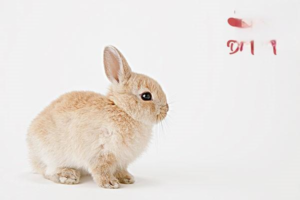
Why Do Rabbits Eat Their Fur and How to Stop It
Many rabbit keepers report rabbits constantly eating their own fur until they're nearly bald. Here are the causes of fur-eating and how to handle it.
What should I do if my rabbit stops moving?
A rabbit not moving may just be resting or sleeping—no worry. But if it stays still with a blank stare, rapid breathing, or drooling, it's sick and urgent—see a vet for a full check. Causes include hairball, poisoning, or other disease.