Search Results
173 results for “hair follicle”

The Secret in Your Dog’s Whiskers
We feel the world with our hands; dogs feel it through smell. But like us, they use more than one sense—and another is their whiskers. The thick hairs on a dog's muzzle, chin, and cheeks are vital: set deeper in the skin, they help the dog read the environment. Like human fingers, whiskers are highly sensitive; their follicles are packed with nerves and blood vessels, giving touch feedback straight to the brain faster than other routes. Studies show half the sensory region of a dog's brain connects directly to its whiskers. Whiskers also sense tiny air currents and vibrations—key to a dog's night vision. Some breeds use them like cats to judge if they fit through tight spaces, and in fights both dogs reflexively flick whiskers forward to threaten. Cutting whiskers does not impair spatial balance (despite the myth), but it does hurt—the follicles are full of nerves—so never cut them for looks.

Is a ‘Bald’ Spot on Your Cat’s Head a Sign of Stress?
Owners sometimes notice thinner fur on the sides of a cat's head (between the eyes and ears), especially in short-haired cats, and worry the cat is going bald from stress. Usually it's normal: those are scent-gland areas where many cats naturally have sparser coats. But hair loss can also be pathological—most often ear mites or ringworm. Ear mites leave dark brown discharge and itch; ringworm is a fungal infection causing round bald patches with redness and flaking. Compare the signs and see a vet early, isolating the cat if you have several.
Cat Acne (Black Chin): Causes, Prevention, and Treatment
If your cat suddenly hates having its chin touched and you notice coal-like black specks there, it may have cat acne—a folliculitis similar to human acne. It shows up on the chin and tail, and severe cases bring redness, swelling, hair loss, and pain. This guide covers the main causes (too much dietary fat, hormones during heat, poor cleaning, and oily skin type) and practical treatment: saline or green-tea cleansing for mild cases, antibiotic ointment for worse ones, and pet antibacterial washes.

Should You Shave a Dog With Skin Disease?
Whether to shave a dog with skin disease depends on the cause. Fungal ringworm, mange mites, severe inflammation and eczema often benefit from clipping so medicine reaches the skin and the area stays clean and observable. But allergy- or hormone-driven skin problems do not improve with shaving and may even weaken the skin's defences. Always have a vet examine the dog under a microscope first, then treat the cause, and keep the environment cleaned with disinfecting tools.
What Factors Affect a Rabbit’s Wool Production?
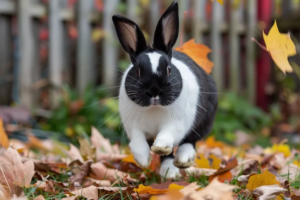
A rabbit's wool output depends on breed, sex, body weight, age, nutrition, and the season and temperature around it. Long-haired German-line rabbits usually produce the most fine wool, while females and neutered males tend to out-yield intact males, and rabbits between one and three years old are at their peak. Steady, balanced feeding with enough protein supports follicle growth, and cooler weather raises output. To boost production, choose strong breeding stock, use crossbred vigour, feed well, manage the environment, and harvest the wool on a sensible schedule.

Eyelash Abnormalities in Dogs (Distichiasis, Ectopic Cilia): Symptoms, Treatment, and Care
Eyelash abnormalities in dogs—distichiasis, ectopic cilia, and trichiasis—occur when lashes grow in the wrong place or direction, irritating the cornea. Cats lack eyelashes, so this is a dog-only problem, often needing surgical correction.

Stud Tail in Cats: Symptoms, Treatment, and Prevention
Stud tail is a hormone-driven acne of the tail base in intact male cats, caused by overactive scent and sebaceous glands. It produces blackheads and can progress to infection, and is best managed by neutering and skin care.
Black Dots on Your Cat’s Skin: Folliculitis, or ‘Black Chin’ and ‘Stud Tail’
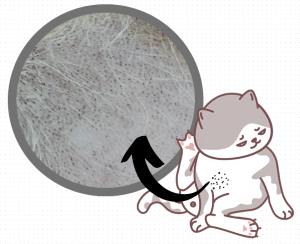
Black dots on a cat's skin are usually the early sign of folliculitis, like blackheads, driven by excess sebum, blocked follicles, and bacterial infection. On the chin it is called black chin, and on the tail stud tail or oily tail, both managed with gentle localized cleaning and diet adjustments.

Canine and Feline Androgen Excess
Androgen excess is an overproduction of male hormones from testicular tumors or other causes, causing heightened sexual behavior and symmetric hair loss. Surgical removal of the affected testicle is usually curative.
Hypopituitarism in Dogs and Cats
Hypopituitarism results from tumors, inflammation, or trauma damaging the pituitary or hypothalamus, leading to failure of the target glands. Young animals become dwarfs, while adults show genital atrophy, obesity, and diabetes-insipidus-like signs, and hormone replacement is the main treatment.