Search Results
173 results for “hair follicle”
How long does it take to repair a dog’s hair follicles?
Follicle repair time depends on damage degree and results. Mild inflammation can heal in one to two weeks with medication and a light diet, while severe cases may need about a month. Avoid greasy or additive-heavy food to prevent folliculitis.
What happens if a dog’s hair follicles are damaged?
Damaged follicles affect skin blood circulation, and dead follicles cannot regrow normal hair. Feed nutritious food and supplements like fish oil, lecithin, vitamins, and astaxanthin; apply a topical spot treatment, avoid strong ultraviolet light, and brush often.
How can I repair a dog’s damaged hair follicles that won’t regrow fur?
For damaged follicles, feed nutritious foods like fish oil, lecithin, vitamin B, and astaxanthin, and apply a growth-promoting spot treatment locally. Recovery is slow, so be patient, limit sun to avoid UV skin damage, and brush often to boost circulation. Deep damage may never regrow; let it be.
My dog has symmetrical hair loss on both sides of the back and a patch on the belly; how do I tell if it’s skin disease or follicle damage?
Back hair loss may be endocrine issues like hypothyroidism or sex-hormone imbalance, with later rough skin and pigmentation; see a vet if drinking/urination changes or itch. Follicle damage usually has no other signs; observe and add lecithin and salmon oil.
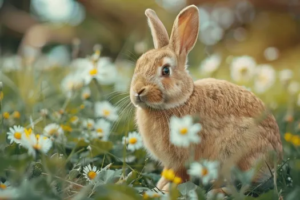
How to Prevent and Treat Fur-Pulling Syndrome in Long-Haired Rabbits
Plucking wool from long-haired rabbits stimulates the skin and speeds up wool growth, but improper technique or timing can damage the hair follicles and lower both growth rate and yield. Disinfect tools and give dexamethasone before plucking, and treat any fungal or mite infection promptly with griseofulvin or ivermectin. Harvest on a roughly 75-day cycle—shorter in summer—groom regularly, supplement feed beforehand, and keep the rabbit warm afterward.
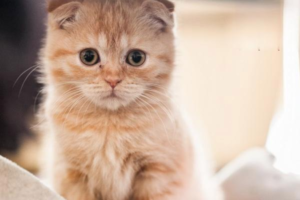
Common Causes of Hair Loss in Cats
Some shedding is normal — seasonal coats and diet — but sudden or patchy hair loss can signal endocrine disorder, fungal infection, or parasites. Match the pattern to the cause and see a vet for anything beyond routine shedding.

How to Treat Dog Alopecia (Hair Loss)
Alopecia, or hair-loss disease, is abnormal local or whole-body shedding outside the normal season. What causes it, and how is it treated? Here is an overview.
My rabbit’s neck has hair loss but no redness, no white flakes, just bare skin – what?
Possible seasonal shedding (normal; add hair-growth nutrition), nutritional deficiency from poor diet, or follicular damage/thyroid issues causing smooth bare patches - see a vet for skin cause.
What does it mean when a dog grows white hair?
White hair can come from natural aging, genetics, health issues, or outside factors. Aging reduces follicle pigment; some breeds are naturally white; lack of nutrients or long-term stress can also whiten the coat.
My neighbor’s dog has lost much hair, scratching walls since October, trembling; what disease, and any cheap medicine?
From the photo the darkened skin is likely from scratching damaging follicles due to itch. The itch cause is unclear, possibly endocrine or thyroid. Without a cause, no medicine can be recommended; see a vet to find and treat it.