Search Results
173 results for “hair follicle”

Why Does Your Dog Have More Dandruff
Increased dandruff in dogs has many possible causes: dry climate, over-bathing or harsh products, low fat intake, poor nutrition, too much dietary salt, or an underlying skin condition. The right response depends on the trigger. In dry weather, add water and a soothing moisturizer; with a skin disease, a proper diagnosis and treatment are needed. Because the skin reflects overall health, identifying the root cause is the key to relieving flaky, itchy skin and keeping the coat healthy.

How to Choose a Skin Spray for Your Dog
Skin problems flare up in warm, humid weather, and a good skin spray is one of the most practical items for a dog first-aid kit. Rather than chasing the cheapest or most advertised product, owners should judge a spray on ingredient safety, the right target for the infection, and the maker's track record. This guide explains when a spray helps, what to look for on the label, and the daily habits—dry bedding, clean toys, avoided puddles—that do more to stop recurrence than any bottle. Sprays are for mild care and prevention, not severe disease.
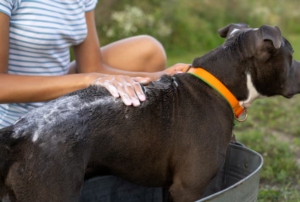
How Often Should You Bathe Your Dog in Summer?
Bathing your dog once a week is usually too often. A dog's skin relies on its sebum layer to stay moist and protected; over-bathing strips it, causing dryness, worse odor, and skin infections. Frequency should follow coat type and lifestyle—indoor small dogs may need only every two to three weeks, while active outdoor dogs can go weekly. Between baths, wipes, toothbrushing, and ear care keep odor down.

Cat Chin Acne: Causes and Treatment
If you have noticed coal-like black specks on your cat's chin, sometimes with rubbing and scratching, your cat likely has chin acne - a common beauty killer. It works much like human blackheads: overactive sebaceous glands let oil build up, leading to secondary bacterial and fungal infection. Mild cases show black or white comedones; severe cases bring yellow-brown crusts, pustules and swelling. This article explains the causes - hormones, environment and diet - and how to treat it by switching bowls, cleaning with warm saline and using chlorhexidine or mupirocin.
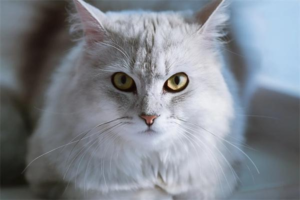
What Causes Cat Acne?
Cat acne, often called cat chin acne, is a common skin condition with no fully clear cause, though follicle inflammation and bacterial infection are the main suspects. Cats that eat wet or greasy food are more prone, and flat-faced breeds are at higher risk. It appears on the chin, neck, and face, and if the face is not kept clean, food residue builds up and clogs follicles. Left untreated it worsens. Treatment controls symptoms and removes the cause: ease stress, use topical and oral antibiotics as needed, keep the skin clean, and cut fat and carbs while adding vitamins A and E. Prevention focuses on hygiene and diet.

Why Is Your Rabbit Losing So Much Fur?
Heavy fur loss in rabbits can come from several causes, shedding season, poor nutrition, environment, parasites, or skin disease, so identify the cause before treating. Daily, brush and clean the coat to reduce loose fur, feed a balanced diet with enough protein, vitamins, and minerals, and keep the habitat dry, clean, and ventilated to avoid skin and parasite problems. If hair loss comes with other signs like itching, redness, or poor appetite, take the rabbit to a veterinary clinic for checks and treatment.

Cat Chin Acne: Causes and Solutions
Cat chin acne, or feline acne, is not the same as folliculitis; only when it gets infected does folliculitis develop. Mild blackheads that just affect looks may need no treatment. Causes range from poor chin cleaning and bacteria or mites to plastic bowls, diet, and individual hormone or allergy issues. A simple case clears with a warm compress and antibiotic ointment, while red, scabby cases need a vet exam. The same logic applies to a greasy black tail.

What to Do When Your Cat Sheds in Spring
Cats shed all year, peaking at season changes—like swapping a 'new sweater' each quarter; it's normal and harmless. But heavy loss with ringworm or skin disease needs attention and possibly a vet. One follicle grows several hairs, making the coat dense and heavy; shedding lightens the load and, the joke goes, comforts the balding human. Shaving it all off isn't realistic (and your cat may never forgive you)—instead, brush regularly through the shed.

A Sudden Lump Appears on Your Dog
You may have experienced this: a dog that was fine a moment ago suddenly sprouts a big lump. Understandably worrying—'is it cancer? a terminal disease? a bug bite?' Learn to judge the cause yourself. Reassurance first: most lumps are benign lipomas and not hard to manage. Causes include lipoma, sebaceous cyst, hematoma, and follicle infection. Many lumps appear and vanish quickly, but answer 7 questions before relaxing: appeared suddenly? slowly growing? smooth surface? uneven? moved recently? other lumps nearby? after it appeared, any appetite loss, lethargy, vomiting, diarrhea, or behavior change? More than 4 'yes' answers means see a vet at once. Urgent signs also include rapid growth, changing shape, very soft texture, hair loss around it, or color unlike skin. Treatment: benign lumps are not costly, but no vet can diagnose by feel alone—responsible ones aspirate tissue fluid and may run blood tests and X-rays, because accurate diagnosis needs multiple tests.

Why Dogs Get Puffed-Up Fur (Raised Hackles)
When a dog is angry, scared, or thrilled, the fur along its back may stand up—a reaction called piloerection, or 'raised hackles.' The fur around the neck is special: it has a strong self-restoring ability, so even after a long episode, it returns to normal once the dog calms; other body areas lack this. Some breeds show it more, some less, and the extent varies—neck only, neck-to-rump, or tail. A special muscle attached to the follicles pumps air between hairs to create the effect, and it is involuntary, part of instinct. The purpose is to look bigger, like cats, porcupines, and pufferfish. You can even read a dog's mindset from the pattern: a narrow band from neck to tail means confidence (and a higher chance of initiating attack); three-quarters of the neck raised means insecurity; neck and tail raised but the middle calm means confusion—the best moment to build trust.