Search Results
3532 results for “gut”
Why Does My Cat Foam at the Mouth After Taking Medicine?
It can be alarming to see your cat drool foamy saliva right after a dose of medication. In most cases this is a normal defensive reaction rather than a medical emergency. Cat medicines are usually bitter and lack the sugar coating found on many human pills, so the unpleasant taste alone can trigger gagging and vomiting. Some drugs are also physically irritating to the stomach lining, especially when given on an empty stomach. Understanding the two main causes—bitterness and gastric irritation—helps you give medicine more comfortably and know when foaming is simply a passing reaction versus a sign you should slow down and check with your veterinarian.
Soft Stools After Switching Cat Food? Here’s Why
Cats are built for high protein, so a new high-protein food alone shouldn't cause trouble—but sudden switches often do. Long-fed low-protein diets leave the gut making few protein enzymes, so a jump to rich food causes indigestion, vomiting, and loose stools; use the 7-day transition. If soft stools persist, it may be an allergy to a specific animal protein or a filler like pea; try a different protein or a single-source food. Also note many foods use beet as a mild anti-diarrhea agent, so dropping it can loosen stools—and weak-stomached cats do better on set mealtimes.
Hairballs: What Every Cat Owner Should Know
Cats groom constantly, and their barbed tongues pull loose fur into the stomach—making hairballs unavoidable. Normally the fur passes in stool or comes up as a vomit with a wet clump; trouble starts when it builds up. The best defenses are frequent brushing to cut intake, cat grass (wheat, barley, oat seedlings) whose fiber helps move fur through the gut, and hairball paste that lubricates with glycerin so the cat passes it. This guide explains why hairballs form and how to prevent them.
Adjusting Your Cat’s Diet for Constipation
Cat constipation is a common, annoying digestive issue that appears when stools become hard and large. Left untreated, long-term constipation can cause irreversible colon damage, so act quickly. This article explains how to spot constipation and adjust the diet: fiber-rich or high-protein/low-carb food introduced gradually, small frequent meals, more water (with syringing or moisture-rich foods like porridge, canned food, or honey water for stubborn cases), and added fruit and vegetables to support gut motion.
Recipe: Raw Duck Cat Meal
A raw duck cat meal is a nutritious, low-cost staple that can be a cat's sole source of nutrition, and ducks are as palatable to cats as chicken. Dice duck leg, breast, heart, and liver (keep some skin for lean cats, and small bones for experienced raw feeders), then mix in taurine, calcium, multivitamin, salmon oil, probiotics, and under 5% veg/fruit puree with alfalfa and kelp. Stir well, serve one meal, and freeze the rest in portions.

Recipe: Fruit and Vegetable Puree for Cat Meals
A fruit and vegetable puree is a cat-meal supplement that mimics the undigested plant matter in a wild prey's gut — and it should stay under 5% of the meal. Mix root, stem, leaf, and flower vegetables freely (avoid starchy and high-sugar ones), wash them with the skins on for maximum nutrition, and blend with a little water. Too much puree can put a cat off its meal, so add it in moderation.
Recipe: Raw Beef Cat Meal
A raw beef cat meal is a balanced staple you can make in under five minutes. Dice 200 g beef tenderloin, 50 g beef heart, and 30 g beef liver, then mix in supplements — taurine, calcium carbonate, multivitamin, salmon oil, probiotics, and a vegetable/fruit puree (under 5% of the total) with alfalfa and kelp powder. Because this is a boneless "edited" raw diet, calcium is essential. Stir well with a little cooled boiled water and serve.
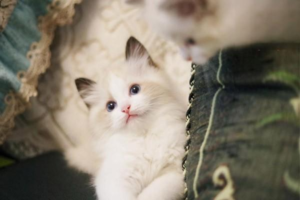
Why Does My Cat Keep Passing Gas (and What to Do)?
Frequent farting in cats is usually about digestion, but other overlooked factors matter too. Eating too fast or too much swallows air that comes out smelly; high-fiber, dairy, or very high-protein foods increase gas (excess protein also strains the pancreas); and past gut disease or unbalanced gut flora can make gas and stool smell worse. Occasional gas is normal, but constant gas affects health. Improve it by reviewing the diet, encouraging water (well-hydrated cats have less smelly waste), and trying a pet probiotic to balance gut flora and aid digestion.
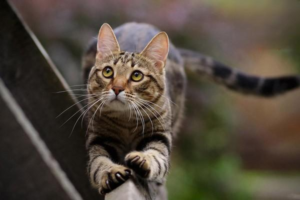
Can a Cat Vomit from a Cold?
Yes—a cat can vomit from a cold, usually from the chill. Like people, a cat may feel nauseated when chilled, and vomiting may briefly ease the feeling, but vomiting harms a cat's stomach, so during a cold support the gut with probiotics that also revive appetite. A cold shows as sneezing, runny nose, cough, fever, lethargy, and poor appetite; use these to confirm the cause. If it vomits without those signs, look to diet or stomach trouble instead. Treatment is simple: warm the cat, give water and nutrition; severe cases need vet-prescribed cat cold medicine. During recovery, don't overfeed, keep it from chilling again, and add a nutrient paste once it improves.

Why Is Your Cat Suddenly Sleepy and Inactive?
A suddenly lethargic, sleepy cat may simply be reacting to weather or age, or it may be sick. If otherwise normal with no vomiting, diarrhea, or appetite loss, it's likely harmless. But fever, pregnancy, a respiratory infection, indigestion, or low calcium, tumors, stress, or a recent vaccination can all cause drowsiness. Measure temperature if it won't wake and eats poorly, keep a chilled cat warm, use a probiotic for gas, and see a vet for any long-term lethargy.