Search Results
3532 results for “gut”
Signs Your Dog Needs Deworming
Certain signs suggest a dog has picked up parasites and needs deworming: frequent scratching from fleas or lice feeding on blood; vomiting and diarrhea from gut-dwelling worms disrupting digestion; and unexplained coughing or rapid breathing that may signal heartworm or Toxoplasma. Regular deworming is the best prevention.
What to Do When a Dog Vomits from Getting Chilled
A dog that vomits after getting chilled needs a vet check first to rule out viral disease (distemper, parvovirus, coronavirus) or a swallowed foreign object. If those are excluded, the cause is likely ordinary gastric upset. Withhold food and water briefly, keep the dog warm, and offer easily digested food once vomiting stops; probiotics and steady warmth prevent recurrence.
Dog Bloody Stool and Vomiting: Causes and Solutions
Dog vomiting with blood in the stool can stem from simple overeating, gastroenteritis, serious viral disease (distemper or parvovirus), or parasites. Overeating and rough play after meals cause acute vomiting; gastroenteritis brings recurring diarrhea and sometimes blood; parvovirus shows lethargy, foul diarrhea, and respiratory signs; long gaps since deworming point to parasites. See a vet for diagnosis, fast the dog, and use probiotics to support recovery.

How to Manage Chronic Indigestion in Dogs
Recurring indigestion in dogs is often linked to poor diet, food allergies, or conditions like gastroenteritis. Managing it starts with the right food: choose an age- and health-appropriate dog food, avoid greasy, spicy, or irritating human foods, and add vegetables, fruits, and fiber to support gut movement. Probiotics or digestive enzymes can aid digestion, while clean bowls and fresh water prevent contamination. Feed smaller, more frequent meals, transition diets gradually, and take your dog for a gentle walk about half an hour after eating to stimulate the gut. Persistent or worsening signs warrant a veterinary visit.

What Are the Symptoms of Canine Coronavirus?
Canine coronavirus is a fast-spreading intestinal virus that looks a lot like parvovirus. Infected dogs become lethargic and lose their appetite, then develop persistent vomiting and foul-smelling, watery diarrhea that may carry a little blood—often in recurring bouts. Puppies are especially vulnerable, while adult dogs usually recover. There is no specific cure; treatment is supportive (fluids, anti-emetics, gut protectants, and a recovery diet), and prevention through vaccination and good hygiene is the most reliable defense.
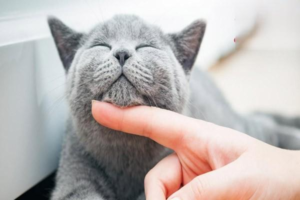
Why Your Cat May Sleep More or Pass Gas After Deworming
House cats are usually dewormed every 2-3 months, and most show no reaction, but a cat with a heavy parasite load or a weak constitution can have mild side effects. Frequent passing of gas comes from the drug speeding gut movement and fermenting food; if the cat acts normal it eases within an hour, and a pet probiotic can help. Mild vomiting or diarrhea, drowsiness, or lowered appetite are also usually normal and pass in 1-2 days, though severe cases need a vet to rule out toxicity or fatty liver.

Are Small Dogs Easier to Feed?
Many owners assume small dogs are easier to feed because they eat less, but small breeds actually need more nutrients per bite and are fussier. They grow up faster, have quicker metabolisms, and burn through energy, so they need dense, highly digestible food given in small, frequent meals. Their tiny stomachs and narrow guts can't hold much at once, and low fat and sugar reserves put them at risk of hypoglycemia. Choose quality meat protein, enough fatty acids, and antioxidants, plus some grains to steady blood sugar.

What to Do If Your Pet Rabbit Is Constipated
Constipation is common in pet rabbits and, when severe, leads to refusal to eat and listlessness, so it needs prompt attention. Causes include unbalanced feed with too little water, foreign material in the diet, lack of exercise, or secondary disease such as anal inflammation or gut atony. Signs are dropping appetite, weak gut sounds, small hard droppings, then no stool at all, sometimes with bloating. Treatment clears the gut with short fasting, water, abdominal massage, and, if needed, a sodium bicarbonate enema; prevention centers on greens, water, exercise, and a fixed feeding schedule.

What to Do If Your Dog Coughs or Retches After Deworming
Dogs rarely cough after a dewormer, but when it happens the tablet may be lodged in the throat, offer water to help swallow it. Coughing or retching can also stem from excitement rather than allergy, and a correct dose seldom harms the dog. Other common reactions include worms in the stool, vomiting, and diarrhea. Overdose or a sensitive gut causes vomiting and diarrhea; observe for 1-2 days, fast briefly, and use a pet probiotic, but seek a vet if it's severe. Unvaccinated dogs with these signs need viral testing.
Different Types of Vomiting in Dogs
Dog vomiting falls into three patterns. Single vomiting happens once and resolves, often from overeating or exercise right after eating, though stress-induced cases need monitoring. Persistent vomiting repeats frequently with bile, intestinal contents, or blood—pointing to acute gastroenteritis or blockage. Long-term intermittent vomiting recurs cyclically and suggests chronic gut issues, irritable bowel, or metabolic disease.