Search Results
3532 results for “gut”

Internal Parasites in Turtles: Tapeworms and Roundworms
Tapeworms and roundworms are two of the most common internal parasites in turtles, and telling them apart matters because the treatment differs. Tapeworms steal nutrients in the gut and shed visible segments in the stool; roundworms come in many forms and can block the intestine when severe. Both are diagnosed through fecal exams and treated with specific dewormers plus gut support. This guide outlines the symptoms of each and the practical medication and aftercare steps to clear them.

How to Prevent Parasite Disease in Turtles
Turtles can develop parasite disease, and the risk rises in the hot summer months, so prevention belongs in every keeper's routine. Common parasites—tapeworms, coccidia, roundworms, and others—live in the gut, lungs, liver, and more, stealing nutrients and weakening the turtle until it wastes away. Good hygiene, quarantining new arrivals, and prompt deworming are the core defenses. This guide explains the parasites, their symptoms, and the practical prevention and medication steps that keep your turtle healthy.
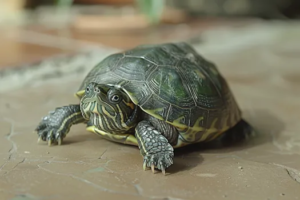
Internal Parasites in Turtles: Flukes and Protozoa
Flukes and protozoa are among the more common internal parasites in pet turtles, and knowing their signs helps you act before they drain your turtle's health. Flukes lodge in the liver, pancreas, and gut, causing appetite loss and bloody stool, while protozoa such as amoebas inflame the intestine and often trigger bacterial enteritis at the same time. Both are diagnosed through fecal checks and treated with specific dewormers plus gut support. This guide lays out the symptoms and the matching treatment for each parasite.

Your Dog’s Pica (Eating Non-Food) Is Simpler Than You Think
Pica is when a dog eats non-food items. Some dogs fixate on one object; others eat all sorts of strange things. It is dangerous because what they swallow usually stays in the gut undigested or disrupts digestion. Pica is not the same as eating feces—that common behavior is not classified as pica and is no cause for alarm. Causes range from simple hunger, poor nutrition, and hormonal imbalance to diabetes, thyroid disease, and even separation anxiety or stress (some breeds like Labradors are more prone). Diagnosis needs blood, stool, and urine tests, with no guarantee of an answer. Treatment depends on the cause: physical pica with digestive upset may improve by splitting two large meals into 3–4 small ones plus deworming and nutrition; psychological pica needs patient, cumulative retraining. Above all, do not blindly dose supplements—every dog's pica has a different cause.

Which Plants Are Safe for Cats to Eat?
Plants are a fun, near-zero-nutrition snack; cats eat grass mainly to clear hairballs and gut debris. The good news is several non-toxic plants are safe to grow at home, pleasing your eye while keeping the kitten safe. This guide lists cat-friendly options—oat grass, bamboo, money tree, moth orchid, spider plant, African violet, Tradescantia, and silver vine—with notes that a few (spider plant stems, silver vine) have mild hallucinogenic effects, so avoid large amounts.

Causes and Prevention of Enteritis in Pet Turtles
Enteritis is one of the most common illnesses in pet turtles, and it usually starts with two problems: poor feeding habits such as overfeeding or spoiled food, and infection by bacteria, viruses, fungi, or parasites. The good news is that with the right treatment—stopping diarrhea, then restoring gut function, then refeeding—most turtles recover. Even better, a few steady husbandry habits around water, tank cleaning, and feeding can prevent most cases before they begin. This guide covers both treatment and prevention.
Concerning Cases of Dog Vomiting
Vomiting itself is common in dogs, but certain patterns signal something more serious than a simple upset stomach. Seasonal vomiting is often pathological, and owners should match the symptom to its likely cause. A cold, a bacterial imbalance, or intestinal parasites each produce a distinct picture—from clear mucus with sneezing to worms appearing in the vomit. Knowing what to look for helps you decide between home care and a prompt trip to the vet, and ensures a heavy parasite load or deeper illness is not missed.
What to Do When Your Dog Has an Upset Stomach, Vomiting and Diarrhea?
Dogs eat first and think later, so an upset stomach with vomiting and diarrhea is a frequent complaint. The right first step depends on what went in: a suspected toxin is an emergency, while a mildly irritating food can often be managed at home with fasting, fluids, and gut support. This guide explains when to head straight to the clinic, the step-by-step home care that eases symptoms, and the underlying causes—spoiled food, diet changes, or infection—that every owner should rule out, especially in unvaccinated dogs.
Why Is a Puppy Vomiting and Refusing to Eat?
When a young puppy vomits and turns away from its food, the cause usually falls into one of four buckets: stress from a new home or unsuitable food, uncontrolled feeding habits, internal parasites, or an infectious disease such as distemper. Puppies are especially vulnerable because their immune and digestive systems are still developing, so a single episode should not be ignored. Identifying which factor is behind the symptoms lets you act quickly—whether that means calming the pup, fixing the feeding routine, deworming, or getting to a vet before a treatable problem becomes serious.
Why Is My Cat Vomiting Green Liquid and How Should I Treat It?
Seeing your cat bring up green liquid is worrying, but it usually points to one of a few common and manageable causes. The green color often comes from bile, which appears when the stomach is empty or the gut is irritated. Frequent triggers include acute gastroenteritis from weather changes or sudden diet switches, internal parasites, spoiled food, and hairballs that will not pass. The right response depends entirely on the underlying cause—some cases need only warmth and probiotics, while others call for prompt deworming or a vet visit. This guide walks through each possibility and the matching treatment.