Search Results
3544 results for “gut”

What to Do When Your Cat Has Pica
Pica in cats—eating non-food items like plastic or plants—often stems from poor digestion, a lack of trace minerals, illness, or plain curiosity. Manage the environment, balance the diet with vitamins and minerals, and spend more time playing with and monitoring your cat; see a vet if other illness signs appear.

What to Do When Your Dog Is Retching or Vomiting
Dog vomiting can come from swallowing a foreign object, overeating, or bacterial or viral gastroenteritis (parvo, coronavirus). For choking, get an X-ray; for simple regurgitation, fast 6-8 hours then feed probiotics; for lethargy with fever or diarrhea, see a vet at once. Regular deworming helps.
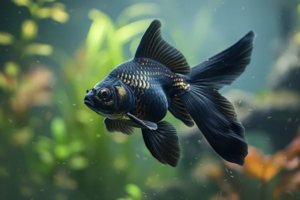
Common Reasons an Arowana Stops Eating
An arowana may refuse food because it is stressed by a new environment, the water has gone bad, the diet is too monotonous, it has a cold, it has internal parasites, or it has enteritis. Pinpoint the exact cause—stable water, a short fast, then targeted treatment—before resuming feeding.

Symptoms and Treatment of Indigestion in Dogs
Dog indigestion usually comes from improper feeding. Signs include vomiting and diarrhea, abdominal pain with dehydration, and—if gastroenteritis is the cause—a fever. Treat with a 12-hour fast plus pet probiotics, feed on a regular schedule in small meals, and see a vet if it has not improved in 2–3 days.
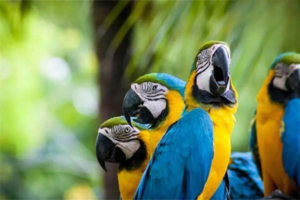
What to Do About a Parrot’s Poor Digestion?
Parrot illness is inevitable, and gut disease is common, so learning to handle it is worthwhile. Our team introduces treatment for parrot digestive issues.

The Dangers of a Double Row of Teeth in Dogs
A double row of teeth, like buck teeth, comes from low calcium during teething that stops baby teeth from falling out. It traps food and bacteria, causing bad breath, tartar, stomatitis, and gut trouble, so vets usually recommend extraction.

How to Fix Bad Breath in Cats
Cat bad breath usually points to an oral problem such as ulcers, periodontal disease, or poor diet. Brush regularly, switch to bland soft food, add vitamin B and dental chews, and check for drooling, dirty teeth, vomiting, or twitching to find the cause.

Cockatiel Enteritis: Signs and Treatment
Cockatiel enteritis shows as diarrhea, watery droppings, fluffed feathers, rapid weight loss, and low spirits. Without prompt care it can turn to starvation, blood in droppings, and dehydration fast, so act early.

Why Won’t My Parrot Eat?
A parrot may refuse food for many reasons - illness, fright, a full belly, poor digestion, a sudden diet change, loneliness, or weaning. Read the signs before giving any medicine, since the wrong drug can do more harm.
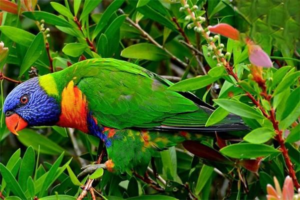
Why Is My Parrot Regurgitating Food?
Parrot regurgitation usually means one of three things: it ate too much, it has gastroenteritis, or it is breeding. Tell them apart by what comes up and how the bird acts.