Search Results
3544 results for “gut”
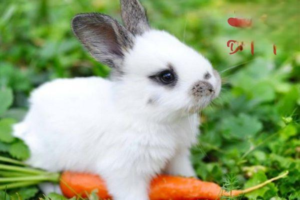
Should Rabbits Fast Before Spay or Neuter Surgery?
Rabbits should NOT be fasted before spay or neuter — they do not vomit under anesthesia, and an empty gut raises the risk of fatal gastrointestinal stasis. Spaying females at 1–2 years and neutering males around 6 months lowers reproductive-disease risk, and after surgery keep the environment calm, offer plenty of water and food, and watch the incision for infection.

Common Misconceptions About Feeding Pets
Common feeding mistakes include giving white rice and organ meat (skin and bone problems), fish (choking and urinary stones), cooked bones (intestinal tears), human leftovers (too much salt and oil), long-term raw meat (dental and picky-eating issues), chocolate (toxic to dogs) and milk or raw egg white (diarrhea and vitamin loss). Feed a balanced, species-appropriate diet.
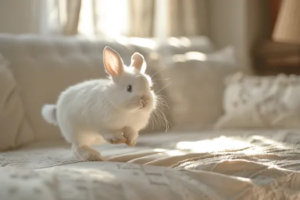
Will a Rabbit’s Diarrhea Get Better on Its Own?
A rabbit's gut is delicate, so diarrhea is a serious sign that will not resolve on its own. Causes include coccidiosis, chills/colds, improper diet, and rabbit hemorrhagic disease (RHD); treatment ranges from veterinary care for infection or RHD, to warming and diet fixes for mild cases. Never wait it out.

Why Is My Rabbit Passing Blood in Its Stool?
Blood in a rabbit's stool is alarming and should never be ignored. Causes include constipation from dry food and low water intake, parasite overload, enteritis (which can rupture local capillaries), and rectal tumors or polyps. Treatment matches the cause—diet and hydration for constipation, deworming for parasites, antibiotics for enteritis, and prompt surgery consult for growths.

Why Is My Cat Vomiting Yellow Fluid and How to Treat It
Cats vomit yellow fluid due to hairballs, diet indiscretion, gastritis, or viral disease (panleukopenia, coronavirus). Treatment matches the cause: hairball paste, short fasting, probiotics, or urgent vet care for viral infection.

What Are the Symptoms of Turtle Enteritis?
Turtle enteritis has early, middle, and late stages; early signs are mild and easy to treat, but delaying makes the disease and its treatment far harder. Early clues are abnormal, off-color stools while the turtle stays active; mid-stage brings sunken eyes, refusal to eat or drink, and floating; late-stage shows a head-down resting posture, slow response, and slack cloaca—usually beyond saving.

Causes and Pathological Analysis of Turtle Enteritis
Turtle enteritis is usually triggered by a sharp drop in enclosure temperature or spoiled food, and good husbandry and careful feeding prevent most cases. This article covers the causes, the staged symptoms (from mild loose stools to severe floating, refusal to eat, and limb weakness), and the pathology—where lost electrolytes weaken the gut's absorption and must be replenished—plus treatment centered on anti-inflammatory, anti-diarrheal, and mucosal care.

Can You Deworm a Cat That Has Soft Stools?
It is generally not advisable to deworm a cat with soft stools, because the medication can further irritate the intestines and worsen the problem. Address the soft stools first—with dietary fiber and probiotics—and only deworm once the stool has returned to normal for about a week. If parasites are the suspected cause, confirm with a fecal test before treating.

Treatment Plan for Turtle Enteritis
Turtle enteritis comes in chronic and acute forms; chronic cases are mild and easier to manage, while acute enteritis can kill turtles en masse within a short time and is highly contagious through the air. Management means isolating and disinfecting sick turtles, and treating with gentamicin/chloramphenicol injections or oral oxytetracycline/berberine, with prevention favored over cure.

British Shorthair
The British Shorthair is a compact, powerful, easygoing cat with a round face, dense short coat, and large round eyes. With a history tracing to Roman times, it became a recognized breed in 19th-century Britain and is beloved for its calm, friendly, adaptable nature—an ideal companion that gets along with everyone.