Search Results
3544 results for “gut”
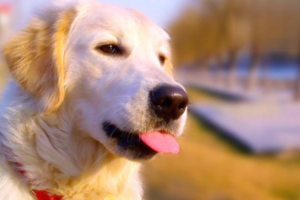
Why Is My Dog Not Eating?
A dog that stops eating may be reacting to heat, spoiled kibble, mood, parasites, or illness. Keep its space cool and bowls clean, give more companionship and tasty toppers, stay on top of deworming, and see a vet if vomiting or diarrhea joins the refusal.
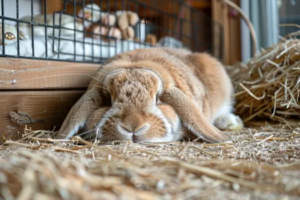
Why Is My Rabbit Not Pooping?
A rabbit that stops pooping is constipated, often from a dry diet low in fiber, poor digestion, hairballs, or too little exercise. Add hay and water, offer a little sugar or probiotics, use fiber or hairball paste, and let it roam to restore gut movement.
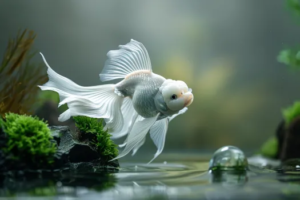
Why Do Arowana Develop Enteritis?
Every arowana keeper wants a healthy, beautiful fish, but beginners lack basics and may care poorly, letting disease occur; enteritis is common. Treat promptly once found. To treat, first know the cause. Our veterinarian details common causes of arowana enteritis.
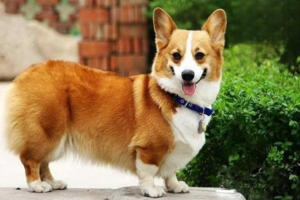
Causes and Treatment of Dog Food Bloat
What to do for dog food bloat? It relates to diet, digestion, or other diseases, so observe the cause before treating. Let's look at the causes and treatments with our veterinarian.

How to Treat Arowana Enteritis?
There are many causes of arowana enteritis, and treatment differs by cause. To treat well, first determine the cause, then treat accordingly. Our veterinarian details common causes and treatments, hoping to help.
What Causes Arowana Head-Down Syndrome?
Arowana head-down syndrome means the tail is up and head down, or the head lower than the tail. It is a common disease, mostly in juvenile arowana. Our veterinarian details the causes and treatments.

Hamster Wet Tail: Symptoms and Home Care
Wet tail is a highly contagious, often fatal hamster disease marked by a wet, soiled tail, watery grayish stools with a foul smell, and a hunched back. See a vet at once; at home, keep the cage dry, offer glucose water, and use probiotics while you get to a clinic.

Why Is My Sun Conure Fluffed Up?
A healthy conure's feathers lie smooth and close. When feathers stand out, scattered and raised, the bird is 'fluffed' - usually from cold, poor diet, or sickness. Read the signs and warm or treat as needed.

Why Does My Dog Have Soft Stools, and What to Do
Soft stools often come before diarrhea and hurt gut health. Common causes are a sudden food switch, parasites, a greasy diet, or mild enteritis - each with its own fix. Act early.

What to Do About a Cat’s Fishy, Foul Breath?
Fishy foul breath may come from tartar, mouth ulcers, or digestive issues. Understand the cause before acting. Our team explains the causes and solutions.