Search Results
136 results for “gastrointestinal diet”
What are the symptoms of gastritis in dogs?
Main signs are frequent vomiting, abdominal pain, arched back, lethargy, and poor appetite, sometimes diarrhea. Acute cases risk dehydration, shock, and death; chronic cases cause weight loss and anemia. See a vet; feed a gastrointestinal prescription diet.
My cat had feline distemper 10 days ago and was given IV fluids and a blood transfusion, but now it still has diarrhea. Why, and what can I do?
Diarrhea can persist after distemper if parasites or bacterial enteritis are present, or because antibiotics disrupted the gut flora. Probiotics and a gastrointestinal prescription diet are recommended, with follow-up testing.
Can dogs drink lactose-reduced milk?
Yes, dogs can drink lactose-reduced milk since its lactose is broken down, avoiding intolerance for most ages. But skip it if the dog has diarrhea or vomiting, keeping food bland for gut recovery. Overweight dogs should also avoid it to prevent excess nutrition.
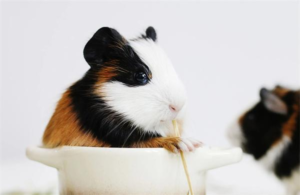
Common Guinea Pig Diseases and Their Symptoms
Guinea pigs commonly suffer digestive troubles (diarrhea, constipation, gut parasites), respiratory infections (pneumonia, bronchitis), skin disease from bacteria, fungus, or external parasites, and urinary issues (cystitis, nephritis). Good diet, clean housing, checkups, and prevention keep them healthy.
What should I do if my cat vomits?
Cat vomiting can stem from hairballs, indigestion, gastroenteritis, pancreatitis, parasites, or panleukopenia. For infrequent vomiting, try probiotics and watch the vomit; frequent vomiting needs a vet.

Why Does My Dog Keep Hiccuping?
Occasional hiccups are normal in dogs, but frequent or long-lasting hiccups can mean eating too fast, gas-forming foods, acid reflux, a respiratory infection, or a gut problem. Use a slow-feed bowl and small frequent meals, avoid strenuous play right after eating, and see a vet if hiccups come with appetite loss, lethargy, pain, vomiting, or a dry cough.

What to Feed a Dog Recovering from Diarrhea?
During recovery from diarrhea, feed easily digested, high-carb, low-fat foods such as plain rice, broths, boiled chicken, cooked vegetables, and yam, in small frequent meals. Add probiotics or a gastrointestinal prescription diet, and avoid greasy, spicy, caffeinated, or allergenic foods; see a vet if symptoms persist.
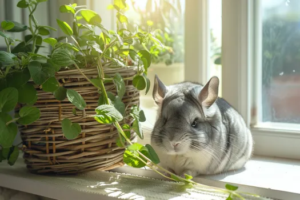
How to Relieve Gas and Bloating in Chinchillas
When a chinchilla is bloated, you can gently massage its abdomen to encourage gut movement and help gas pass. If the bloating persists or worsens, consult a veterinarian who can examine the cause and advise proper treatment. For chinchillas that bloat often, adjust the diet and offer more hay, since its fiber supports digestion and prevents gas. Feeding smaller meals several times a day instead of one large portion also slows eating and reduces digestive upset. This article covers the common signs of bloating and the practical steps you can take at home to help your chinchilla feel better.

Why Is My Cat Gagging but Not Vomiting?
A cat that gags without producing vomit is most often dealing with hairballs, but frequent gagging can also mean dietary upset, gastrointestinal disease, throat irritation, or nervous factors. Owners can help by offering hairball paste or cat grass, giving warm water to dilute stomach acid, and keeping the environment clean and free of irritants. Because gagging may signal something more serious, watch for other signs such as diarrhea, appetite loss, or lethargy, and consult a veterinarian if it lasts or worsens.

Does Dog Bad Breath Mean It Ate Poop?
Dog breath is common, but four causes explain most of it - and eating poop is rarely one. Periodontal disease lets bacteria release sulfur compounds; mouth ulcers appear as sudden worse odor; trapped food ferments into a rotten-egg smell; and gut trouble from a messy diet produces foul breath. Improve it by brushing with pet toothpaste, reviewing the diet (skip cheap unbalanced kibble and strong-smelling raw meat), checking the mouth for tartar or ulcers, and watching the stool for digestive issues. For mild cases, use a real antibacterial oral spray - not a fragrance mask.