Search Results
136 results for “gastrointestinal diet”

Medicines for Pet Diarrhea and Soft Stools
A common myth is that probiotics fix diarrhea; they help soft stools but work weakly against true diarrhea. For active diarrhea, an anti-diarrheal liquid paired with live probiotics works best, with clear dosing by weight. This guide also covers when to stop, how to feed during recovery, and when a prescription diet is the answer.

How to Prevent Cat Diseases
Cats are vulnerable to illness, but not every disease is unavoidable. The best defense is a proactive daily routine that stops problems before they start. By keeping your cat clean, feeding a balanced professional diet, and staying consistent with vaccinations and parasite control, you dramatically lower the risk of common feline illnesses. This guide walks you through the three pillars of prevention so your cat stays healthy and your household stays safe.

What to Do When Your Cat or Dog Has Chronic Constipation, Diarrhea, or Indigestion
About 60 to 80 percent of a cat or dog's immune system resides in the digestive tract, and a healthy gut is the body's first line of defense against pathogens and toxins. When the intestinal flora falls out of balance, pets frequently develop constipation, diarrhea, and poor digestion and become far more prone to illness. Diet, stress, medications, and a naturally smaller microbiome all influence gut health. Probiotics can help restore balance, but most beneficial bacteria are destroyed by stomach acid or by heat during food processing. This guide explains why gut balance matters, what disrupts it, and how to choose a heat- and acid-resistant, high-activity probiotic that actually survives to reach the intestines where it is needed.
How to Supplement Vitamin B for Your Cat
Vitamin B deficiency in cats frequently appears as skin trouble—especially ringworm—along with a dull coat, weight loss, and loss of appetite, and in serious cases it can progress to eye and nerve problems. Because cats cannot store or synthesize enough B vitamins on their own, daily diet matters. This guide covers the warning signs of deficiency, why human B supplements are a poor fit for cats, and safe ways to meet their needs: B-rich cat food, small amounts of fruit, thorough drying after baths, regular disinfection of bedding and surroundings, and sunlight to help keep skin healthy.
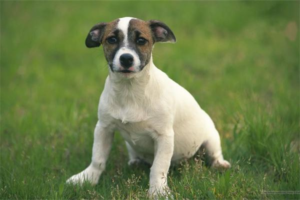
Why Is My Dog Walking Weakly or Lacking Energy?
A dog that suddenly walks weakly or seems unable to move may be showing signs of an underlying problem. Common causes range from simple fatigue, hunger, thirst, low blood sugar, or calcium deficiency to musculoskeletal issues such as osteoporosis, fractures, sprains, or bone tumors. Other diseases—heart conditions, parasite infections, gastrointestinal disease, anemia, or viral infections—can also cause weakness. Because the cause can be minor or serious, have your dog examined by a veterinarian promptly; the vet can diagnose the issue accurately and recommend effective treatment, while proper diet, rest, and exercise help keep your dog healthy.

What to Do If Your Pet Rabbit Is Constipated
Constipation is common in pet rabbits and, when severe, leads to refusal to eat and listlessness, so it needs prompt attention. Causes include unbalanced feed with too little water, foreign material in the diet, lack of exercise, or secondary disease such as anal inflammation or gut atony. Signs are dropping appetite, weak gut sounds, small hard droppings, then no stool at all, sometimes with bloating. Treatment clears the gut with short fasting, water, abdominal massage, and, if needed, a sodium bicarbonate enema; prevention centers on greens, water, exercise, and a fixed feeding schedule.

How to Ease Acid Reflux in Dogs
If your dog dry-heaves after meals or brings up white foam or yellow fluid with foul breath, it may not be simple stomach upset—it could be acid reflux, or GERD. The stomach's lower valve relaxes and lets acid creep up the esophagus, which can inflame and even ulcerate over time. Diet changes, vet-guided medication, and a few lifestyle tweaks usually bring real relief.

LionHead Rabbit
The LionHead Rabbit is a small, gentle pet rabbit named for the ruff of long fur around its head that looks like a lion's mane. Originating in Belgium and bred in the Netherlands and US, it is sturdy and clean, needs daily coat care and a wire-free cage, and lives 5–7 years.

Travancore Tortoise
The Travancore Tortoise (Indotestudo travancorica) closely resembles the Burmese Star Tortoise in appearance and shares its preference for a dry habitat. Though sometimes considered a subspecies of the Burmese tortoise, this has never been confirmed; it is a shy, inactive tortoise suited to simple husbandry.
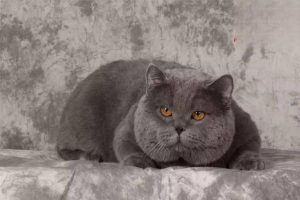
Pruritus (Itching) in Dogs and Cats: Symptoms, Causes, and Relief
Pruritus is a symptom rather than a disease, signaling an underlying problem such as parasites, eczema, diabetes, endocrine imbalance, or nutritional deficiency. Lasting relief comes from treating the root cause, not just suppressing the itch.