Search Results
660 results for “fur eating”
Why Are Overweight Cats Prone to Pancreatitis?
Chubby cats may look adorable, but excess weight quietly raises the risk of pancreatitis, a painful and serious inflammation of the pancreas. The pancreas secretes enzymes that digest fat, protein, and carbohydrates, but it is a sensitive organ that becomes inflamed when overworked. Overweight cats usually take in too much energy and fat, forcing the pancreas to produce extra digestive juice and overloading it. Obesity also disrupts cholesterol and fat metabolism, adding further pressure. Many heavy cats also eat large amounts of high-fat, high-calorie food, which expands the gut and stresses the pancreas even more. Age, genetics, and certain diseases add to the risk, so while obesity is not the only cause, it is a major one. Keeping your cat at a healthy weight through balanced, low-fat food and regular play is the best defense.
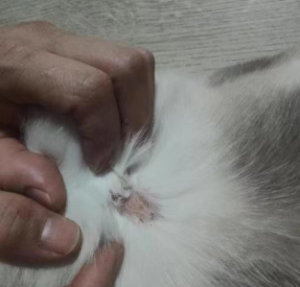
A Cat Ringworm Case: Diagnosis and Treatment
A 5-month Ragdoll with an oval bald patch, scales, and mild crusting on the neck turned out to be ringworm—confirmed by a Wood's lamp and typical signs. Treated with fur-clipping, cleaning, an antifungal spray and ointment, vitamin B, and an E-collar, he improved within a week. The case shows why vet confirmation and full-course treatment matter.

Causes and Treatment of Abdominal Breathing in Cats
Abdominal breathing in cats is often a symptom of an underlying disease—pleural effusion, a congenital diaphragmatic hernia, or feline infectious peritonitis (FIP) among them—so it always warrants attention and a prompt trip to the vet. A healthy cat breathes 20–40 times per minute; obvious difficulty, rapid or shallow breaths mean seek care immediately. Beyond treating the root cause, prevention matters most: keep up with vaccinations, schedule regular check-ups, and maintain a clean, well-ventilated, smoke-free environment to protect your cat's respiratory health.

Is Terbinafine Spray Effective for Cat Ringworm?
Terbinafine spray is a first-line antifungal and does help mild, surface ringworm—but it can't reach deep follicles, so it won't cure every case and shouldn't be used long-term. For larger or deep infections, combine it with medicated baths and oral antifungals under veterinary guidance. Clip, disinfect, and protect the skin, and always confirm the diagnosis first.

Can Dogs Get Annoyed With Their Owners?
Dogs can grow weary of their owners, but it is less 'annoyance' and more that the owner's interaction style has become a source of stress. Endless hugging, kissing, or disturbing a dog's rest can raise its cortisol level by 27%–42%, leading to refusal to interact, ignored commands, sudden warmth toward strangers, or even furniture-chewing as a silent protest. The remedy is healthy boundaries: learn the dog's 'emotional threshold' signals—yawns, nose licks, a turned back, avoided eye contact—then stop and give it space, keep a predictable routine, and spend quality time outdoors together.

Why Cats Eat Less in Winter (and What to Do)
Cats are poor at regulating body temperature, so when it gets cold their metabolism slows and appetite often drops. Lower winter activity also weakens gut motility, slowing digestion and leading to reduced interest in food. Appetite loss can also signal a health problem—a chill, a cold, oral disease, or long-term cold drinking water causing stomach upset. To help, warm your cat's surroundings, feed on a fixed schedule, and boost palatability by mixing in favorites like chicken, fish, freeze-dried treats, or egg yolk, and serve food slightly warmed. If you notice sneezing, runny nose, lethargy, fever, diarrhea, or vomiting, see a vet.

How to Tell If Your Cat Is Full?
Many cat owners worry their pet is still hungry and keep topping up the bowl, but overfeeding causes indigestion and obesity. To judge whether a cat has eaten enough, watch its post-meal behavior: full cats groom themselves, leave the feeding area, and settle in a sunny, comfortable spot to rest, while hungry cats linger near the food. In multi-cat homes, satisfied cats may even groom each other. Free-fed cats show weaker cues because constant access lowers food excitement. Note that two behaviors are NOT signs of hunger: guarding the food storage (common in newly arrived, unsettled cats) and showing interest in your own meal (an opportunistic scavenging instinct). Control daily portions by age, health, and appetite to keep your cat at a healthy weight.
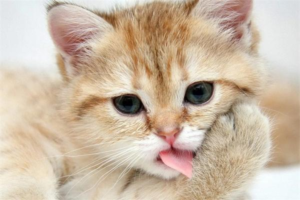
How to Treat a Cat’s Infected, Pus-Filled Wound
A cat wound that is oozing pus needs prompt care to stop the infection from spreading. Clean it with saline, apply antiseptic such as iodine or hydrogen peroxide, and use an antibiotic spray or ointment; severe cases need oral or injected antibiotics from a veterinarian. Keep the wound dry, fit an Elizabethan collar to stop licking, and add protein-rich food. If it worsens or a fever appears, seek veterinary treatment such as debridement and sutures.

Why Does Cat Poop Smell So Bad
All stool smells, but cat poop is famously potent. The reason is protein: cats eat a meat-based diet, taking in four to five times more animal protein than people do. Plant protein contains only carbon, hydrogen, and oxygen, but animal protein also holds nitrogen and sulfur; as food ferments in the gut it forms indole and hydrogen sulfide - the compounds behind the strong odor. Cats also groom themselves and swallow stray hairs and odors that mix into the stool, making it richer still. The same goes for cat gas: nearly silent but strikingly pungent, it is a sure sign your cat is the source when no one else admits to it.

Summer Hazards for Cats
Summer is a rough season for cats. With poor sweating, they overheat fast - five minutes on hot asphalt, in a sealed space or on a sunny balcony can cause heatstroke: high temperature, fast pulse, panting, then dizziness, vomiting and coma. Move them to shade and cool with water or a fan, and rush to the vet if it does not ease. Warm weather also brings acute gastritis from spoiled food (limit water and feed easily digested fluids) and skin disease from fleas, mites and fungi - treat the cause and keep up prevention with cleaning and deworming.