Search Results
660 results for “fur eating”
Why Does Your Cat Have Bad Breath?
A cat's normal scent varies (some say bread, popcorn), but a sudden stink—or a 'bio-weapon' yawn—means trouble. Cats groom constantly, so if the mouth smells, the fur smells after licking. Causes: (1) diet—strong seafood or cans cause brief odor; (2) plaque and tartar from uncleaned saliva and food debris; (3) gingivitis/stomatitis from oral bacteria (red, swollen molars); (4) poor digestion—eating too fast/full with weak enzymes and flora; (5) breath with a urine smell can signal kidney disease. Fixes: switch to healthier food, treat oral inflammation with vet-prescribed antibiotics, brush regularly (make it a habit), use probiotics for digestion, and get periodic dental checks.
Recipe: Raw Egg for Cats
A raw egg is about the quickest cat-food topper you can make — crack one into the bowl and serve. Eggs are a superb, easy-to-digest source of protein and supply more than ten amino acids cats need, which is why owners credit them with a shinier coat and brighter eyes. The two common worries are bacteria and egg white: buy tested, clean eggs to lower any infection risk, and at a rate of one or two a week the white does no harm. Cooking the egg is fine too.
What to Do When Your Cat Has a Sensitive Stomach
Vomiting has clear causes: regurgitated kibble means eating too fast or too much (slow it with set meals; soften for kittens); hairballs need daily brushing and cat grass; bile from an empty stomach needs small frequent meals; blood means inflammation or a sharp object—go to the vet. For soft stool, withhold food and water a day and give probiotics. Underlying causes include skipped deworming (internal every 3 months, external monthly) and bad habits: too many salty snacks, abrupt food changes (transition over 7 days), and mixing new food into old.
Is It Normal for a Rabbit Not to Poop for a Day?
Rabbits digest food quickly and usually pass droppings soon after eating, so a full day without poop can be a warning sign. It may simply mean your rabbit ate little, or it could indicate constipation from poor feeding, lack of exercise, weak digestion, hairballs, or a dirty water supply. Owners should keep food and water fresh, monitor intake, and help with fluids, probiotics, and exercise when needed. Understanding the cause is key—this article breaks down why rabbits stop pooping and how to respond.
Do Rabbits Need to Hibernate?
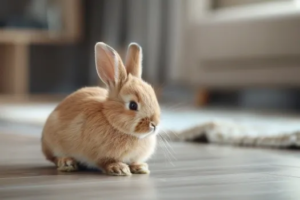
Rabbits do not hibernate. As warm-blooded animals, they regulate their own body temperature and stay active through winter. That said, they still feel the cold despite their thick fur, so owners must provide warmth and shelter when temperatures drop. Moving the hutch indoors, sealing drafts, lining the cage, and adding soft bedding all help prevent chilling. Adjusting the diet with extra food and higher-calorie items supports their increased winter energy needs. This article explains why rabbits skip hibernation and how to keep them safe in cold weather.

How to Tell If Your Cat Has Feline Rhinotracheitis (Cat Flu)
Cat flu and a common cold look alike, which leaves many owners unsure whether their cat has feline rhinotracheitis — an infection caused by the feline herpesvirus. The reliable approach is twofold: watch the symptoms and confirm with a test. Early signs are subtle — sneezing, a runny nose, watery eyes, low appetite, no fever — while the active phase brings a high temperature near 40°C, persistent coughing and sneezing, and thick eye and nose discharge. A test strip or a PCR check at the clinic confirms it, but the result must be read alongside the symptoms.

5 Things to Prepare Before Bringing a Cat Home
Bringing a cat home is a long-term commitment, so before you do, make sure you are truly ready to welcome a new life into your care. Preparation makes all the difference to your cat's smooth transition. First, learn the basics of feline care and, above all, prepare yourself mentally. Understand your cat's usual diet from the previous owner and avoid sudden food changes that can cause diarrhea or vomiting. Set up a quiet, cozy sleeping area, a generously sized litter box with the litter your cat prefers, and plenty of scratching posts and toys to prevent furniture damage. Choose a sturdy, well-ventilated carrier for trips. When your cat first arrives, give it time to adjust to unfamiliar smells—never force it out of hiding, and if it refuses food for more than three days, see a vet.

How to Prevent Tape-Sticking Stress in Cats
If a cat steps on tape or gets sticky paper on a front paw, it shakes the limb frantically, panics, and bolts—because the paw pads are vital for shock absorption, sweat-cooling, scent marking, and balance. Losing that sense is disorienting, even nauseating. You can desensitize the cat with gradual training: while petting to keep it calm, wrap tape on the paws, then soothe until it stops shaking, repeating until it calmly removes the tape with its mouth. Household 'sticky traps' then cause far less chaos—and less furniture damage.
Why Is My Cat Vomiting Green Liquid and How Should I Treat It?
Seeing your cat bring up green liquid is worrying, but it usually points to one of a few common and manageable causes. The green color often comes from bile, which appears when the stomach is empty or the gut is irritated. Frequent triggers include acute gastroenteritis from weather changes or sudden diet switches, internal parasites, spoiled food, and hairballs that will not pass. The right response depends entirely on the underlying cause—some cases need only warmth and probiotics, while others call for prompt deworming or a vet visit. This guide walks through each possibility and the matching treatment.
Cat Acne (Black Chin): Causes, Prevention, and Treatment
If your cat suddenly hates having its chin touched and you notice coal-like black specks there, it may have cat acne—a folliculitis similar to human acne. It shows up on the chin and tail, and severe cases bring redness, swelling, hair loss, and pain. This guide covers the main causes (too much dietary fat, hormones during heat, poor cleaning, and oily skin type) and practical treatment: saline or green-tea cleansing for mild cases, antibiotic ointment for worse ones, and pet antibacterial washes.