Search Results
660 results for “fur eating”

Lionhead Rabbit: Appearance and How to Choose One
The Lionhead rabbit is small but round, with a plump body and a distinctive mane of long fur around the neck that forms a V shape like a tiny lion. Picking a healthy individual is the key to successful keeping. Avoid unweaned or very young rabbits, which are fragile and harder to raise; beginners should choose one over two months old. Knowing the breed's looks and common ailments helps you select a vigorous pet and care for it well.

What to Do When Your Rabbit Misbehaves
Rabbits will misbehave from time to time, and when they do, owners should respond correctly without harsh punishment or scolding. Learn your rabbit's temperament and behavior, understand the cause, and guide it toward better habits. Providing a good living environment, setting behavior boundaries, building routines, and ensuring regular exercise and social contact keep a rabbit calm and reduce problem behavior.

After the Swim: Preventing Ear Infections, Skin Trouble, and Tummy Upsets in Dogs
Swimming is a great low-impact workout that cools dogs off and supports their joints—but skipping the clean-up afterward can lead to three common problems: ear infections, skin irritation, and digestive upset. A dog’s L-shaped ear canal traps water that shaking alone won’t fully remove, creating a warm, moist space where yeast and bacteria thrive. Thick or double coats that aren’t fully dried breed the same trouble on the skin. And a cold abdomen plus post-swim air conditioning or ice water can upset a sensitive gut. The fix is simple: clean and dry the ears, blow-dry the coat layer by layer (especially armpits, belly, and paw folds), and let the dog rest before any AC, cold water, or rough play—offering a probiotic if its stomach is delicate.
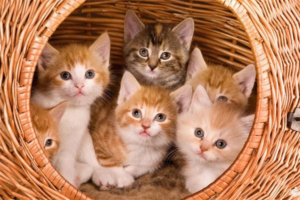
How to Relieve Hiccups in Cats
Cat hiccups are usually harmless and happen when the diaphragm spasms, often from eating too fast or too much, drinking too little, swallowing hairballs, or an underlying illness. An occasional hiccup that passes quickly is nothing to worry about. If your cat hiccups frequently, keeps hiccupping for more than a day, or shows other signs such as vomiting, drooling, or low energy, see a veterinarian. You can reduce hiccups by slowing your cat's eating, keeping fresh water available, and limiting how much fur it swallows.
100 Essential Tips Every New Cat Owner Should Know
Bringing home a first kitten is exciting but daunting, and poor care can hurt both of you. These 100 essentials cover diet (life-stage food, toxic grapes/chocolate/onion/garlic, no bones or raw meat, fresh water), daily care (brushing, nail and ear cleaning, litter hygiene, n+1 boxes), health (vaccines at 8–12 weeks, deworming, normal temperature 38–39.2°C, spay/neuter, no human meds), behavior (slow blinks, tail talk, no punishment), and home safety (screens, hiding wires, toxic plants, no smoke). Read them once and you'll share a calmer, healthier life with your cat.
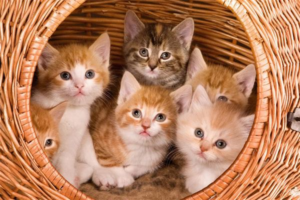
What to Do When Your Cat Loses an Entire Claw?
If your cat loses a whole claw, stay calm and watch for other symptoms while caring for the wound. A claw is made of keratin and sheds naturally over time, but a full loss usually comes from overzealous scratching on windows or furniture, an injury, or a claw disease such as an ulcer. If the claw has simply come off and there is a wound, rinse it with saline, disinfect with iodine, and apply an anti-inflammatory ointment three times a day to prevent infection and aid healing. Keep an Elizabethan collar on so the cat cannot lick the spot, and see a vet if infection or other signs appear. To lower the risk, fit window guards, trim claws regularly with proper pet clippers and technique, and keep up with grooming. Most claw losses are minor; calm observation and good wound care are usually enough.

Why Is My Dog’s Tooth Loose?
A loose tooth in a dog can be perfectly normal or a sign of trouble. Puppies naturally lose their baby teeth as adult teeth come in, while senior dogs gradually lose tooth stability as the surrounding periodontal tissue weakens, a change that cannot be reversed. In adult dogs, however, a loose tooth is more often caused by dental disease such as gingivitis, periodontitis, or tartar buildup. Poor diet also plays a role, since soft or moist food leaves more residue that feeds bacteria. Finding the underlying cause is essential, because loose teeth from disease need veterinary cleaning, antibiotics, or extraction to prevent wider infection.
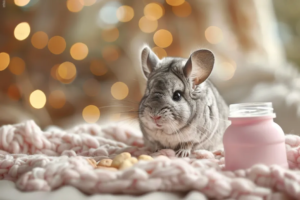
What to Do About Malocclusion in Hamsters
Because a hamster's teeth grow continuously, a lack of chewing materials and proper food can cause uneven tooth length and lead to malocclusion. When you notice this problem, take your pet to a veterinary clinic where a professional can gently file the teeth with sterilized tools. If a visit is not convenient, you may carefully trim the overgrown teeth at home using cleaned and disinfected nail clippers, then smooth the edges. Always keep the hamster steady to avoid cutting the mouth. To prevent recurrence, provide appropriate chew items such as hay, apple-branch sticks, and mineral stones. This guide covers the causes, signs, treatment, and prevention of hamster malocclusion.
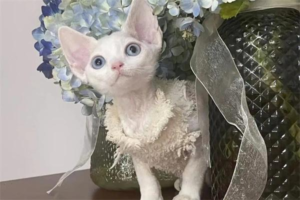
Why Is Your Cat Vomiting White Foam?
White foam vomiting in cats has many causes—food intolerance, digestive upset, hairballs, and gastrointestinal disease among them. Take it seriously and find the trigger. Prevention includes regular brushing, avoiding spoiled or hard-to-digest food, and routine deworming. If it's food-related, pause feeding then switch foods; for digestion, offer easily digestible food; for hairballs, give hairball remedies and brush often; if a health problem is behind it, see a vet rather than dosing blindly.

Why Do Cats Lose Interest in Toys So Fast?
Cats are endlessly curious about new things, yet that curiosity fades fast—so a thrilling new toy soon becomes boring. Because cats have short attention spans and individual preferences, rotate toys instead of discarding them: put an old toy away and bring it back later to spark fresh interest. Don't dump many toys at once; offer different ones at different times, and most importantly play together—cats are social and lose interest when left to play alone. Regular interaction keeps both their interest and your bond strong.