Search Results
260 results for “fish parasites”

How to Manage Heavy Shedding in Dogs
Heavy shedding often signals a diet gap or poor coat care. Feed a balanced natural diet (broccoli, salmon, cooked egg yolk help), brush daily, bathe with a mild pet shampoo 2–3 times a month, allow some sun, and keep bedding dry — but never shave the coat bare.

How to Get a Shinier, Healthier Dog Coat
A glossy coat starts on the plate: egg yolk and lecithin for sheen, cooked carrot for vitamins, seaweed powder to restore color, and fish-oil-rich food for omega-3 that softens skin and eases itch. Off the menu, brush daily, bathe sparingly, and keep deworming on schedule — those habits do more for the coat than any supplement alone.
Why Cats Chase Mice They Don’t Eat
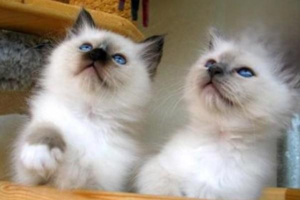
Cats hunt mice mainly to get taurine, an amino acid they can't make and that protects vision, heart, digestion, reproduction, and immunity; a fed house cat gets it from food, so it won't eat the catch. The chase itself is instinct and a way to burn off night-time energy, and it also helps control rodents around us.
How to Feed a Kitten: Schedule, Diet, and Foods to Avoid
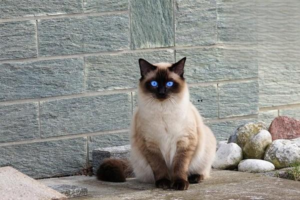
Kittens need frequent small meals of quality kitten food — at least three a day under six months — with fixed times and a clean, quiet spot to eat. Never give cow's milk (most cats are lactose intolerant), cooked bones, chocolate, grapes, onions, or raw meat and eggs; switch to adult food gradually over 5 to 7 days around the first birthday.
Why Do Cats Eat (and Catch) Mice?
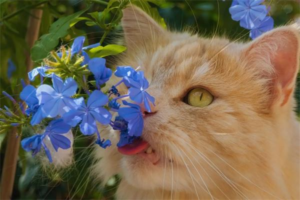
Cats hunt mice mainly to get taurine, an amino acid they cannot make and that protects their eyes, heart, and immune system — and mice were an easy, abundant nocturnal prey. Well-fed pets no longer need them for nutrition, but the hunting instinct and surplus energy keep the chase alive.

What to Feed a Cat With Poor Appetite
When a cat loses appetite, first find the cause of the poor appetite so you can treat it accordingly and restore the cat's appetite. If ignored, the cat will gradually lose weight, affecting its health.
Why Your Cat Vomits Yellow Foamy Liquid
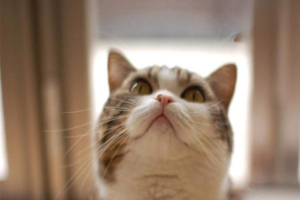
When a cat vomits yellow fluid, there is surely a stomach or intestine problem. There are many causes - mild and severe. Generally causes include gastroenteritis, intestinal parasites, viral infection, and nervous system disease and liver-kidney-pancreas problems. For such complex causes, generally judge by the cat's symptoms to know the reason, so as to treat correctly. Today we discuss several causes of cats vomiting yellow fluid.
Understanding Cat Stool: Soft Stools and Diarrhea
Most owners don't know a cat's stool best reflects its health. How does stool show health?

What If Your Cat Still Has Soft Stool After Deworming?
Soft stool has many causes: irritating or overeaten food (fragile kitten guts cause poor digestion, soft stool, even diarrhea), parasite infection, early feline distemper, etc. Owners can first give some probiotics to settle the gut.

Pros and Cons of Feeding Cats a Raw Meat Diet (BARF)
Raw meat benefits cats: it exercises their bite, supplies protein and trace elements, supports health, and makes the coat smoother and shinier.