Search Results
260 results for “fish parasites”

Why a Dog Throws Up Yellow Fluid and What to Do
Many causes - long hunger, gastritis, viral disease. Here is the detail.

Benefits of Giving Dogs Bones
Dogs naturally love to chew bones, and many owners feed them bones regularly. Chewing bones has real benefits, but it also hides dangers. This article covers the pros and cons of bones and how to offer them safely.

How Often to Give Cat Dewormer (and Which Medicine)
Cat roundworms spread to other cats, animals, and even owners, so deworm on schedule. How often, and which medicine? Here are practical guidelines.

Best Foods for a Dog with Anemia (Diet Therapy)
For mild to moderate dog anemia, diet therapy with iron-rich liver, leafy greens, seaweed powder, lean meat and fish, and B vitamins (B12, folate, B6) plus vitamin C to aid iron uptake helps build blood. Keep the diet balanced to avoid toxicity from excess, and see a vet for severe cases.

Dietary Management for Anemic Cats
Cat anemia — whether from poor nutrition, blood loss, parasites, or gut inflammation — needs dietary support: higher-quality or prescription kibble, vitamins (C, B, A, E), and iron-rich protein (chicken liver, fish, beef) 2x weekly. Kittens' mild anemia is often physiological and eases with B12, B6, and iron.

Best Medications for Cats with Colitis and Blood in Stool
If your cat is mentally normal with a normal temperature and no loss of appetite, but frequently passes soft or even watery stools with a foul, fishy odor, it may have colitis. Feline colitis is often related to viruses and parasites, and requires prompt identification of the cause and treatment to avoid dehydration or even death. Today we walk you through the treatment of feline colitis.

What to Do When Dogs and Cats Have Diarrhea? Keep These Fast Antidiarrheals on Hand
The medical term for diarrhea is diarrhea, which usually refers to changes in bowel habits and stool characteristics, generally manifested as frequent defecation, increased stool volume, loose stools, and bloody stool. Most diarrhea in dogs and cats is caused by gastrointestinal discomfort, but it may also be a concurrent symptom of other diseases. Today we discuss knowledge about diarrhea in dogs and cats.

Cat Colitis: Symptoms & How to Treat
Cat colitis starts with normal appetite but frequent soft, bloody, foul stools and can progress to watery sprayed diarrhea. Home care uses amoxicillin and bismuth; prescription care may add atropine, gentamicin, or fluids.
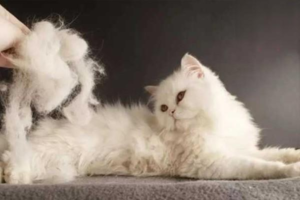
Common Causes of Shedding in Cats and Dogs and How to Relieve It with Medication
Shedding in pets is common, but excessive or abnormal hair loss usually signals an underlying problem—seasonal coat change, parasites, fungal infection, poor nutrition, allergies, hormonal imbalance, over-bathing, or stress. This article covers the causes and the medications that help.

Cat Dandruff: Causes and Treatment
Dandruff in cats is usually caused by external parasites such as fleas or lice, or by allergic reactions to pollen and dust. Mild flakes with no other symptoms are normal, but heavy flaking with rashes or hair loss calls for parasiticides and medicated skin care. Regular deworming and a healthy skin barrier are the best defense.