Search Results
236 results for “fish parasites”
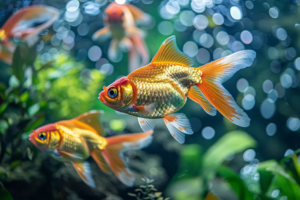
Why Do Ornamental Fish Get Parasites?
Fish parasites come from poor water quality, unsanitary tanks, weak immunity, unhealthy stock, and unclean food. Keep water good, clean equipment regularly, choose quarantined healthy fish, and feed safe food to lower risk.

Internal Parasites of Dogs and Cats
For pet owners, parasites on cats and dogs are a headache. Small but serious, they can even kill. What parasites meet our fur babies, and how to prevent them?
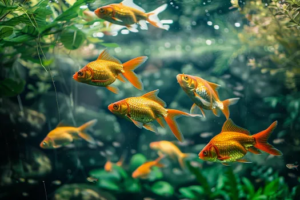
Why Do Ornamental Fish Gasp with Their Mouths Open?
Fish that gasp openly usually signal low dissolved oxygen, a sharp temperature change, or gill disease. Gasping is a self-regulating response to environmental stress. Boost aeration, stabilize temperature, and treat gill infections with salt and warmer water. Keep the tank clean, well-oxygenated, and at a stable temperature.

Which Tropical Cleaner Fish Are There?
Most cleaner fish are tropical, happiest around 20–30°C. Good choices include the otocinclus, corydoras, eartheater, kuhli loach, and the larger 'Fei Feng' scraper. Pick by size and temperament — gentle species suit small peaceful tanks, while bigger ones fit community tanks with large fish.

Common Diseases of Ornamental Fish
Scale loss, fin rot, fin congestion, saprolegniasis (cotton fungus), and cloudy eye are common ornamental fish diseases. Even careful keepers can't fully prevent them, so observe fish daily for early signs. Most sick fish show reduced appetite and activity; act on these promptly. Keep water clean, since fouled water easily causes illness.
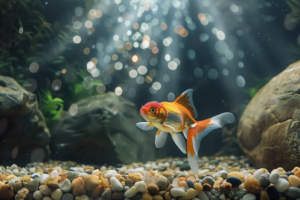
Why Do Goldfish Get Cloudy Eye (Moon Eye Disease)?
Cloudy eye in goldfish is mainly from bacteria or parasites, but the root cause is poor water quality—bad water lets pathogens breed, lowering resistance so they invade. Prevent by clearing waste and changing water regularly. Early signs are a white film on the eye, treatable with the 'old three methods'; if the eye turns clearly cloudy, add chlortetracycline or penicillin. Treat early.

Common Goldfish Diseases and Their Prevention
Common goldfish diseases include white spot (ich), cloudy eye, saprolegniasis, enteritis, fin/tail rot, and dropsy (pinecone disease). Learn these to prevent and lower illness risk. Water quality is the main health factor—keep it clean with regular changes and cleared waste to avoid bacterial growth and infection. Keep temperature steady and oxygen sufficient.

Why Is a Goldfish’s Whole Body Congested (Red)?
Whole-body congestion comes from poor water, big temperature swings, hemorrhagic disease, or too many harmful substances. Change water and keep it good, stabilize temperature, treat hemorrhagic disease with parasite removal and potassium permanganate/malachite green baths, and add coarse salt to prevent infection.

Why Does a Goldfish Get White Fuzz on Its Body?
White fuzz is usually fungus (long fuzz = water mold/saprolegnia) from an untreated wound, or short fuzz from heavy skin parasites. For fungus: change water, raise temp 1-2C, and salt or malachite green baths, even surgical debridement. For parasites: salt or potassium permanganate baths - control dose carefully (15-30 min).

Why Do Goldfish Get Enteritis?
Dirty food, overfeeding, poor water, and bacterial infection are common causes. Early signs are lethargy, slow movement, and refusal to eat — often treatable with water change, salt, and warmth. Mid-stage shows a protruding, red, swollen vent and darkened body, needing nitrofurazone baths. Late stage may fill the abdomen with mucus and needs antibiotics or metronidazole with furazolidone.