Search Results
260 results for “fish parasites”
The Six Essential Nutrients Every Cat Needs
Like all mammals, cats need six nutrients to stay healthy: protein, carbohydrates, fat, minerals, vitamins, and water. Except for water, these must come from a balanced cat food rather than being offered separately. Each nutrient plays a distinct but interlocking role—protein builds and repairs tissue, fat supplies concentrated energy, and vitamins support everyday function. This article explains what each nutrient does, why animal protein suits cats best, and a key caution: raw fish and raw meat can rob cats of vitamin B1 and invite parasites, so always cook them and choose a complete, well-labeled commercial diet.
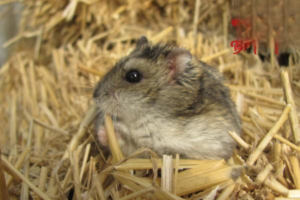
Can Hamsters Eat Meat?
Hamsters can eat small amounts of cooked chicken, fish, or beef, and live foods like mealworms, but meat isn't a dietary staple, so keep it occasional. Their base diet should be grains, with synthetic pellets for dental wear. Never give seasoned, cured, or raw meat; salt, preservatives, and bacteria or parasites in raw meat cause poisoning, diarrhea, or organ strain. Pork is fine cooked and in moderation since its fat drops after cooking; pregnant or nursing hamsters may get extra nutrition.

Senior Dog Vision Fading? Foods That Protect the Eyes
Eye disease is common in dogs—conjunctivitis, keratitis, glaucoma, cataracts—and over half of dogs past ten develop cataracts. Diet can slow that decline. Vitamin A from liver and carrot supports night vision; antioxidants like lutein, vitamins C and E, and anthocyanins guard the retina; omega-3 from fish eases dryness. Avoid overdoing vitamin A or raw food, and get seniors checked yearly.
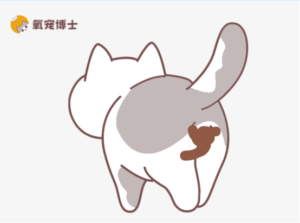
Kitten Always Has Poop Stuck on Its Fur?
Poop clinging to a kitten's rear fur almost always traces back to soft stool or diarrhea. The loose stool can come from diet, food allergy, parasites, flora imbalance, or underlying disease, while body shape, long hair, flat faces, and very young or old age make self-cleaning hard. Soften and wipe gently, then fix the root by firming the stool—and see a vet if soft stool persists.

Should You Shave a Dog With Skin Disease?
Whether to shave a dog with skin disease depends on the cause. Fungal ringworm, mange mites, severe inflammation and eczema often benefit from clipping so medicine reaches the skin and the area stays clean and observable. But allergy- or hormone-driven skin problems do not improve with shaving and may even weaken the skin's defences. Always have a vet examine the dog under a microscope first, then treat the cause, and keep the environment cleaned with disinfecting tools.

Keeping Your Dog Free of Skin Problems in Summer
Summer's heat and humidity breed bacteria and parasites, so skin trouble spikes. Bathe and dry the coat with a pet shampoo, avoid strong midday sun to prevent burns, and keep the living space clean and dry. Use a monthly topical preventive with selamectin or fipronil to block fleas, lice, mites and ticks, and feed vitamins and protein to lift immunity. See a vet for itching, hair loss or rashes.

How to Give Your Cat a Glossy Coat
A dull, rough coat usually points to diet, poor care, environment or health. Feed balanced nutrition and add supplements such as lecithin, fish oil and vitamins to lift coat quality. Brush often to clear dead skin and boost circulation, bathe gently as needed, and keep fresh water available. Avoid harsh sun or dry air, and schedule regular checks so skin infection, parasites or other illness are not the hidden cause.

What to Do When Your Dog Loses Appetite in Summer
Summer heat can lower a dog's appetite, as can a repetitive diet, parasites, or illness such as gastritis, distemper, mouth ulcers, or fever. Offer light, easy-to-digest food like wet food, vegetables, fruit, and bone broth in small frequent meals, and always keep fresh water available since heat drains fluids fast. Add variety with cooked egg, chicken, or fish, but skip human leftovers to avoid excess salt, oil, and additives. Keep bowls clean to prevent spoilage, encourage gentle exercise, and add probiotics to support gut health. If appetite stays poor or other symptoms appear, see a vet.

Why Your Cat Keeps Getting Thinner
A cat that keeps losing weight can signal parasites, poor diet, stress, aging, or underlying disease. Worms such as roundworms and tapeworms steal nutrients; stale or unappealing food lowers appetite; household changes or an owner's absence cause stress; and digestive, liver, or kidney disease blocks normal nutrient uptake. Older cats naturally eat less as metabolism slows. Have a vet identify the cause, then offer high-protein, high-fat food in small frequent meals, add supplements, and keep a regular deworming schedule to help your cat regain condition safely.

Red-Eared Slider Shedding but Not Eating: What to Do
A red-eared slider that sheds but stops eating may simply be reacting to the molt, or it may signal a problem with temperature, water quality, or health. First check that the habitat is right, then adjust water temperature and change water regularly. Offer varied foods like fish, lean pork, shrimp, and snails to tempt appetite, and use a dangled-food trick if it will not bite. If the fast drags on or other symptoms appear, consult a veterinarian.