Search Results
260 results for “fish parasites”

Why Is My Dog Losing Hair Around the Ears?
Hair loss around a dog's ears can stem from normal shedding, genetics, or poor nutrition, or—more seriously—a skin disease, parasites, or an ear infection. Watch for itching, redness, or discharge, and seek a veterinary diagnosis before treating.

The Dangers of Feeding Bones to Dogs
Feeding bones to dogs can cause intestinal blockages, mouth injuries, nutritional imbalances, and constipation. If you do offer bones, choose large, hard varieties (never small or brittle ones like chicken or fish), boil them plain, and keep the amount and frequency low.

How to Improve a Dog’s Weak Constitution
A dog with a weak constitution gets sick easily, but you can build resilience through daily exercise, on-time vaccines and deworming, gut support (probiotics), skin-nourishing fish oil and lecithin, and a high-quality natural diet. Improving constitution takes time, so stay consistent with the care.
What does an axolotl eat?
Axolotls are carnivorous: juveniles take bloodworms and brine shrimp, adults eat small fish, loaches and shrimp. Clean live food in salt water first to cut parasites.
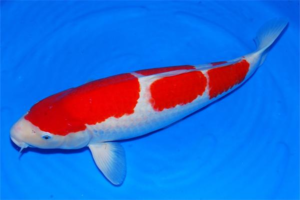
Why Do Koi Lose Scales
Koi lose scales from external stress (transport bumps, crowded tanks, sharp decorations, fighting, fright) or disease (dropsy, hole-in-the-body disease, red-skin disease). Good water quality and avoiding bacteria greatly lower the risk.

How to Care for a Golden Coin Turtle as a Beginner
A golden coin turtle (Cuora trifasciata) needs a semi-aquatic setup — shallow water just covering the shell, a basking spot, filtration, and steady 25–30°C warmth under a UVB lamp. Feed a varied omnivorous diet in moderation, keep the enclosure clean, and monitor the shell, eyes, and droppings for early signs of trouble.

What to Do When Your Dog Eats but Doesn’t Gain Weight
A dog that eats but stays thin may have low-quality or single-food diet, too little food, too little exercise, an illness (parasites, hepatitis, kidney disease, hyperthyroidism, gastroenteritis), or stress. Feed a rich, high-quality diet in small frequent meals, exercise daily, and see a vet if it's underweight or shows other symptoms.

Boiled Meat, Raw Food, or Kibble: Feeding Your Cat or Dog Wisely
Many owners cook plain boiled meat for their pets, thinking it is cheaper or safer than commercial food. But domestication has shifted companion cats and dogs away from strict carnivores, and feeding only boiled meat long term risks calcium-phosphorus imbalance and kidney strain. This guide explains how to balance a home-cooked diet for dogs and cats, why boiled meat beats raw for most homes, and how commercial kibble fits in. The takeaway: boiled meat is fine, but only when fed as part of a balanced, well-planned diet.

Why Is My Cat’s Skin Red and Swollen?
Red, swollen, itchy, or balding patches that your cat keeps scratching are often a sign of skin disease, and some types can spread to people, so take it seriously. Common causes include allergies, which usually appear symmetrically with intense itch from food, pollen, dust mites, or contact with irritants; infections that enter through small scratches, such as bacteria causing hot, painful, pus-filled spots, fungi causing round hairless red rings that may glow green under a Wood's lamp and can infect humans, or parasites like mange and ear mites; and rare autoimmune issues like pemphigus or lupus that bring symmetric blisters and general signs. Before seeing a vet, put on an Elizabethan collar to stop scratching, switch to a single-protein hypoallergenic diet, remove suspected allergens, and check with a Wood's lamp in the dark: green glow suggests fungus, treat with ketoconazole ointment, while no glow allows antibacterial ointments like zinc oxide, erythromycin, or mupirocin after clipping, rinsing with saline, and disinfecting with iodine. For severe itch, chlorpheniramine can help. If it worsens or brings other symptoms, see a vet for tests, and add B vitamins and fish oil for skin immunity.

What to Do If Your Dog Is Too Thin?
A thin dog is most often undernourished, but disease, digestion problems, tumors, or parasites can also cause weight loss that needs veterinary attention. Start with a high-quality, balanced diet suited to the dog's age and activity, add easily digested protein such as cooked chicken, fish, or egg, and feed smaller meals more often to improve absorption. Light daily exercise boosts appetite and metabolism. If good feeding and exercise do not help, or the dog is naturally a slender breed but otherwise healthy, a vet check rules out hidden illness.