Search Results
362 results for “first aid”

Green Trinket Snake
The Green Trinket Snake (Elaphe prasina) is, as its name suggests, green-bodied and strikingly beautiful when at rest, like a work of art. Distributed across India, Vietnam, and several provinces of southern China, it is an arboreal species and is listed as Vulnerable in China.

Hilaire’s Toadhead Turtle
Hilaire's Toadhead Turtle (Phrynops hilarii) is a side-necked turtle in the toadhead genus, strongly affected by ambient temperature and closely tied to it in behavior. Delicate and hard to keep in captivity, it is not recommended as a first turtle.
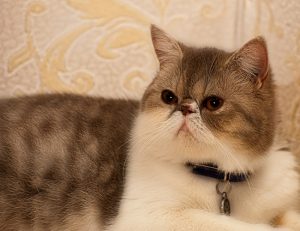
Exotic Shorthair
The Exotic Shorthair — everyone's "Garfield cat" — pairs the Persian's plush look with a short, easy-care coat. Sweet, calm, and affectionate, it's one of the most laid-back cat breeds to live with.

Golden Python
The Golden Python is a patternless, leucistic morph of the Burmese python (Python bivittatus), prized for its uniform golden-cream coloration. Wild-type individuals cannot survive in nature due to a lack of protective melanin, so every specimen in captivity is captive-bred. A large, heat-loving constrictor, it needs steady temperatures of 26–33°C, regular soaking to aid shedding, and a diet of whole rodents or rabbits.

Rheumatoid Arthritis in Dogs and Cats: Symptoms, Treatment, and Prevention
Rheumatoid arthritis is a chronic, immune-mediated, erosive polyarthritis, often in small and toy breeds between 8 months and 9 years. It causes recurring lameness, stiff swollen joints, fever, and poor appetite, and can end in joint deformity. Treatment relieves pain, controls inflammation, and protects joint tissue.

Elbow Hygroma in Dogs and Cats: Symptoms, Treatment, and Prevention
An elbow hygroma is a fluid-filled swelling of the bursa over the elbow, caused by repeated pressure and friction on hard surfaces. It starts as a soft, warm lump and can thicken or, if it breaks, drain blood-tinged fluid and become infected. Early cases are managed with rest and cold packs; large or complicated ones need surgery.

Eosinophilic Panosteitis in Dogs and Cats: Symptoms, Treatment, and Prevention
Eosinophilic panosteitis, also called panosteitis, is a spontaneous, self-limiting bone-sclerosis disorder of young, fast-growing large-breed dogs, especially German Shepherds. It causes shifting lameness that moves between limbs over a cycle of roughly three months and usually resolves by 18 to 20 months of age.

Obesity in Dogs and Cats
Obesity is an excess of body fat that develops when energy intake consistently exceeds expenditure. It is common in pets fed too much, exercised too little, or affected by endocrine disease, and it predisposes to heart disease, diabetes and a shorter life.

Canine and Feline Androgen Excess
Androgen excess is an overproduction of male hormones from testicular tumors or other causes, causing heightened sexual behavior and symmetric hair loss. Surgical removal of the affected testicle is usually curative.
Spinal Cord Compression in Dogs and Cats
Spinal cord compression occurs when a mass, displaced vertebra, bulging disc, or migrating parasite presses on the spinal cord, causing pain, weakness, and eventually paralysis. Small breeds such as Pekingese, French Bulldogs, and Dachshunds are especially prone, and timely treatment of the underlying cause is essential.