Search Results
346 results for “first aid”

Northern Ornate Box Turtle
The Northern Ornate Box Turtle is a desert-dwelling box turtle of the genus Terrapene, found in the United States and Mexico. Highly drought-tolerant, it stores water well and endures arid conditions better than other box turtles.

Adanson’s Mud Turtle
The Adanson's Mud Turtle is a small, seldom-seen aquatic turtle from central Africa, a minor member of the African side-neck genus. Although not internationally listed as endangered, it is rarely traded.

Batagur baska (Northern River Terrapin)
The Batagur turtle is one of the largest freshwater turtles in Asia, living in Andaman coast estuaries from Bangladesh to Vietnam and feeding on mangrove seeds. Once thought extinct in Thailand, it is now classified as Critically Endangered and protected under CITES Appendix I.
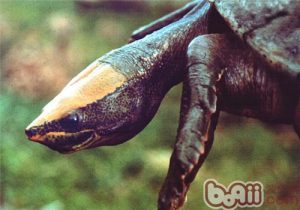
Central American River Turtle
The Central American River Turtle (Dermatemys mawii) is a large aquatic turtle, scarce in number and protected by local governments. It is a rarely seen aquatic species, the sole surviving member of the family Dermatemydidae, and an ancient reptile now found only in a small part of Mexico.

Green Trinket Snake
The Green Trinket Snake (Elaphe prasina) is, as its name suggests, green-bodied and strikingly beautiful when at rest, like a work of art. Distributed across India, Vietnam, and several provinces of southern China, it is an arboreal species and is listed as Vulnerable in China.

Hilaire’s Toadhead Turtle
Hilaire's Toadhead Turtle (Phrynops hilarii) is a side-necked turtle in the toadhead genus, strongly affected by ambient temperature and closely tied to it in behavior. Delicate and hard to keep in captivity, it is not recommended as a first turtle.

Exotic Shorthair
The Exotic Shorthair — everyone's "Garfield cat" — pairs the Persian's plush look with a short, easy-care coat. Sweet, calm, and affectionate, it's one of the most laid-back cat breeds to live with.

Golden Python
The Golden Python is a patternless, leucistic morph of the Burmese python (Python bivittatus), prized for its uniform golden-cream coloration. Wild-type individuals cannot survive in nature due to a lack of protective melanin, so every specimen in captivity is captive-bred. A large, heat-loving constrictor, it needs steady temperatures of 26–33°C, regular soaking to aid shedding, and a diet of whole rodents or rabbits.

Rheumatoid Arthritis in Dogs and Cats: Symptoms, Treatment, and Prevention
Rheumatoid arthritis is a chronic, immune-mediated, erosive polyarthritis, often in small and toy breeds between 8 months and 9 years. It causes recurring lameness, stiff swollen joints, fever, and poor appetite, and can end in joint deformity. Treatment relieves pain, controls inflammation, and protects joint tissue.

Elbow Hygroma in Dogs and Cats: Symptoms, Treatment, and Prevention
An elbow hygroma is a fluid-filled swelling of the bursa over the elbow, caused by repeated pressure and friction on hard surfaces. It starts as a soft, warm lump and can thicken or, if it breaks, drain blood-tinged fluid and become infected. Early cases are managed with rest and cold packs; large or complicated ones need surgery.